Small kitchens demand appliances that work hard without taking over valuable prep space. If you want café-quality coffee at home but only have a narrow counter, choosing the right machine matters as much as the beans you brew. The it combine compact dimensions, reliable performance, easy cleaning, and features that match your routine, whether you prefer a quick single cup or a full morning carafe.
Table of Contents
- How to choose the best coffee makers for small kitchen counters
- Top types of best coffee makers for small kitchen counters
- Single-serve pod machines
- Slim drip coffee makers
- Compact pour-over and manual brewers
- Small espresso and specialty machines
- Features that matter most in the best coffee makers for small kitchen counters
- Best coffee makers for small kitchen counters by user needs
- Setup, organization, and maintenance tips for best coffee makers for small kitchen counters
- FAQ: best coffee makers for small kitchen counters
- What size coffee maker is best for a small kitchen?
- Are single-serve machines better for limited counter space?
- Can I get good coffee from a compact coffee maker?
- What features should I prioritize in a small coffee maker?
- Is a compact espresso machine worth it for a small kitchen?
- Conclusion
In this guide, you’ll learn how to evaluate size, brewing style, water capacity, and convenience features before buying. We’ll also compare the main machine types that fit limited spaces and explain which features are worth paying for. By the end, you’ll know how to identify the this for your home, budget, and daily coffee habits.
How to choose the best coffee makers for small kitchen counters
Finding the these starts with measuring more than width alone. Many buyers focus on footprint, but height and clearance are just as important. A machine may fit neatly under a cabinet, yet become frustrating if you can’t lift the lid to add water or grounds. Before shopping, measure the available width, depth, and overhead space, then compare those numbers with the product’s full operating dimensions.
Another key factor is brew volume. In a compact kitchen, a small coffee maker should still match the number of people drinking coffee each day. A single-serve machine works well for solo drinkers or mixed households where everyone wants a different flavor. A slim drip coffee maker is better if you regularly brew several cups at once. Choosing too small a machine can create constant refills and repeat brewing, while choosing too large a unit wastes both space and coffee.
Ease of cleaning also matters. The they often feature removable water reservoirs, dishwasher-safe parts, and accessible brew baskets. In a small kitchen, cleanup gets annoying quickly if you need to rotate or shift the machine every time you empty grounds. Look for front-loading designs or top lids with minimal clearance requirements.
You should also think about storage. Some compact machines live permanently on the counter, while others may need to move into a cabinet after use. In that case, weight becomes important. Cord storage, sturdy handles, and durable exterior materials can make daily moving less of a hassle.
Finally, consider noise and speed. In apartments, studios, or shared living spaces, a loud grinder or prolonged brew cycle can be disruptive. Compact doesn’t have to mean underpowered. The the concept balance speed, temperature consistency, and quiet operation while staying efficient in tight spaces.
Top types of best coffee makers for small kitchen counters
Not every compact coffee maker serves the same kind of drinker. To choose the the approach, it helps to understand the strengths and trade-offs of the main categories.
Single-serve pod machines
Pod-based machines are among the most popular choices for small spaces because they have narrow footprints and require very little cleanup. Insert a capsule, press a button, and brew one cup in minutes. They are convenient, beginner-friendly, and great for households where coffee preferences vary. The downside is that pods can cost more over time, and some models are less environmentally friendly unless you use reusable capsules.
Slim drip coffee makers
If you want multiple cups without a bulky appliance, slim drip machines are often the smartest option. They preserve the familiar convenience of a standard coffee maker but in a narrower body that fits apartment counters, office kitchens, or dorm setups. Many newer models include programmable timers, pause-and-pour features, and insulated carafes. For many households, these are the it because they provide strong value and broad versatility.
Compact pour-over and manual brewers
Manual brewers don’t always come to mind when people think about coffee makers, yet they can be ideal in tiny kitchens. A pour-over set, AeroPress-style brewer, or compact French press occupies very little room and often stores easily in a drawer. These options offer excellent flavor control, though they require more hands-on effort and may not suit anyone rushing out the door each morning.
Small espresso and specialty machines
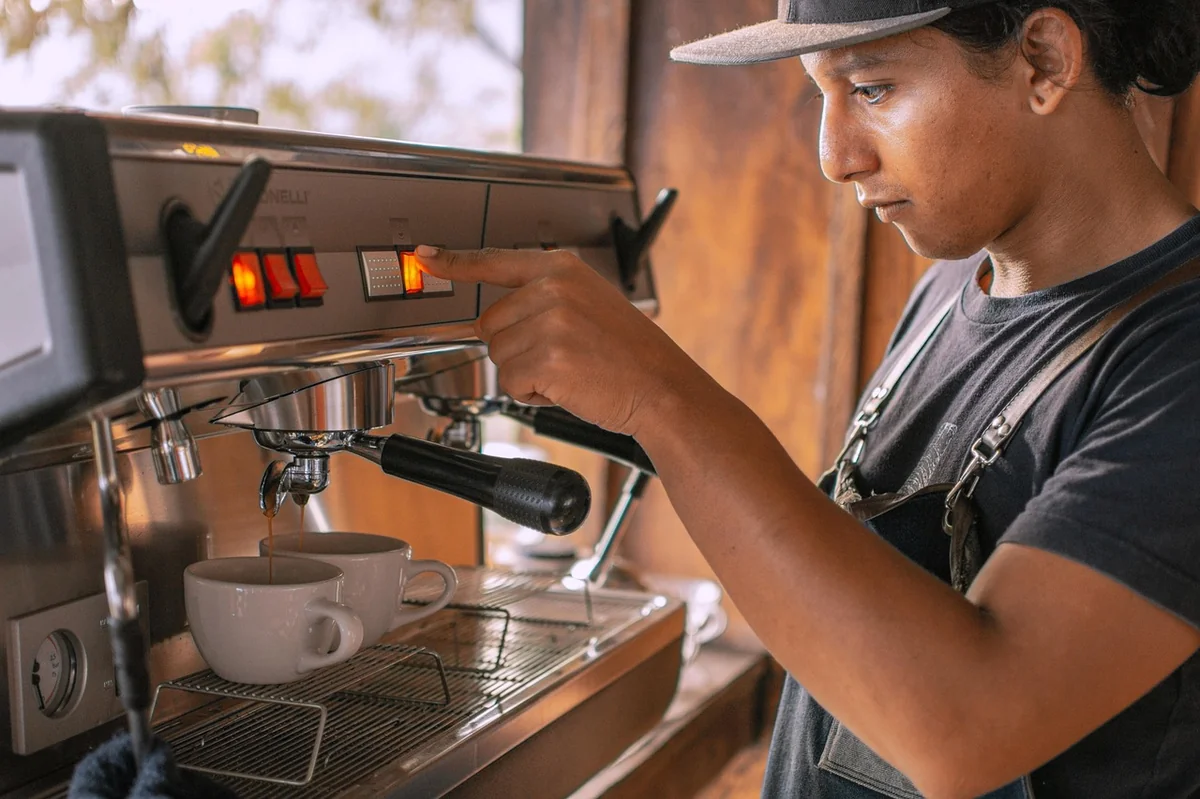
Some compact espresso makers are designed specifically for limited counters. They appeal to latte and cappuccino lovers who want richer drinks without buying a full-size café-style machine. However, even “small” espresso makers often need space for a steam wand, cup clearance, and accessories. If milk drinks are your priority, these may be the this, but only if you’re prepared for the extra maintenance and learning curve.
Features that matter most in the best coffee makers for small kitchen counters
When comparing models, it’s easy to get distracted by flashy extras. In reality, the these share a few practical features that directly improve daily use.
First, focus on footprint efficiency. A rectangular base that sits flush against a backsplash usually uses space more effectively than a rounded, bulky design. Machines with integrated reservoirs and internal storage also reduce clutter. If you keep mugs, beans, and sweeteners nearby, every inch counts.
Second, water tank design can make or break usability. Side-access or removable front-fill reservoirs are easier to manage in tight quarters than top-loading tanks. A compact coffee maker that saves width but requires awkward refilling under low cabinets may not feel compact in real life. This is why many of the they prioritize accessible tank placement.
Third, brewing flexibility is worth considering. Some compact units brew one cup, travel mugs, or small carafes using the same machine. This is valuable if your routine changes throughout the week. You may want one quick weekday cup but a larger batch on weekends. A versatile model eliminates the need for multiple appliances.
Fourth, thermal performance matters. Cheaper small machines often brew at inconsistent temperatures, leading to weak or flat-tasting coffee. Look for models with good temperature control, pre-infusion capability, or strong consumer reviews about flavor quality. A small kitchen shouldn’t mean sacrificing brew standards.
Fifth, think about maintenance alerts and durability. Descaling notifications, reusable filters, and simple control panels improve long-term satisfaction. The the concept are not just compact on day one; they remain dependable after months of daily use. Stainless steel components, quality seals, and reputable brand support can prevent frustrating leaks or failures.
Lastly, aesthetics have practical value too. In a small kitchen, appliances are highly visible. A clean, minimal design can make the entire counter feel less crowded. Choosing a machine that visually blends with your kitchen can reduce the sense of clutter even when space is limited.
Best coffee makers for small kitchen counters by user needs
The phrase the approach means different things depending on how you drink coffee. The ideal machine for one person in a studio apartment is not necessarily right for a couple, a busy family, or someone who prefers espresso drinks.
For solo drinkers, a single-serve brewer is often the most efficient pick. It takes up little room, brews fast, and avoids wasting coffee. If you leave home early and value speed above all else, this category often makes the most sense. Look for a model that supports reusable pods if you want lower long-term costs.
For couples or roommates, a narrow drip machine is usually the better option. It can produce enough coffee for two or more mugs while still preserving counter space. Programmable brewing is especially useful here, since the machine can start before you wake up. In many homes, these are the it because they balance capacity with a compact profile.
For flavor enthusiasts, manual brewing equipment may be the smartest route. A quality pour-over cone, gooseneck kettle, or compact press can outperform many electric machines while taking up less room overall. This setup works best for people who enjoy the brewing ritual and don’t mind a little extra cleanup.
For latte and cappuccino fans, a compact espresso maker may be worth the investment. These machines often occupy more usable space than expected, but if specialty drinks replace café visits, the value can be substantial. Choose one with a small footprint, quick heat-up time, and a manageable milk frothing system.
For office corners, guest rooms, vacation rentals, or secondary kitchens, the best coffee makers for small kitchen counters are often simple, durable models with intuitive controls. In these spaces, ease of use matters more than advanced settings. A reliable machine with one-touch brewing and low maintenance is usually the safest choice.
Setup, organization, and maintenance tips for best coffee makers for small kitchen counters
Even the best coffee makers for small kitchen counters can feel inconvenient if the surrounding area is disorganized. Smart placement and maintenance can make a compact appliance work far better in a small kitchen.
Start by creating a coffee zone. Keep the machine close to an outlet and near the items you use daily, such as mugs, filters, coffee beans, and spoons. Vertical storage helps here: wall shelves, mug hooks, and slim canisters free up counter area. If possible, place the machine near the sink to simplify refilling and cleaning.
Use trays strategically. A small tray under your machine can visually organize the setup and catch minor drips or grounds. This makes the space look intentional rather than crowded. It also helps when you need to move the coffee station for cleaning.
Regular descaling is essential. Mineral buildup affects both flavor and machine lifespan, especially in compact brewers with smaller internal components. Follow the manufacturer’s recommendations and clean removable parts frequently. The best coffee makers for small kitchen counters stay efficient only when basic maintenance is consistent.
If you store the machine between uses, empty the reservoir and let all parts dry fully before putting it away. This prevents odors, mold, and premature wear. Keep cords neatly wrapped and avoid stacking heavy items on top of the unit in cabinets.
Finally, choose your accessories carefully. Oversized grinders, milk frothers, and pod holders can erase the space-saving benefit of a compact machine. If your kitchen is very tight, prioritize multifunctional accessories or tools that store vertically. That way, the best coffee makers for small kitchen counters remain part of a practical system instead of becoming one more source of clutter.
FAQ: best coffee makers for small kitchen counters
What size coffee maker is best for a small kitchen?
The best coffee makers for small kitchen counters usually have a narrow footprint, manageable height, and enough clearance for filling and cleaning. In most small kitchens, a machine under about 8 inches wide works well, but the ideal size depends on your cabinet height and daily brew needs.
Are single-serve machines better for limited counter space?
Often, yes. Many of the best coffee makers for small kitchen counters are single-serve models because they are compact, quick, and easy to use. However, if you regularly make coffee for more than one person, a slim drip machine may be more practical overall.
Can I get good coffee from a compact coffee maker?
Absolutely. The best coffee makers for small kitchen counters can produce excellent coffee if they heat water properly and maintain consistent brewing performance. Compact size does not automatically mean lower quality, especially with well-reviewed drip, pod, or manual brewers.
What features should I prioritize in a small coffee maker?
Look for easy-access water filling, simple cleaning, efficient footprint, and brew capacity that matches your routine. The best coffee makers for small kitchen counters also tend to offer durable construction, reliable temperature control, and clutter-reducing design.
Is a compact espresso machine worth it for a small kitchen?
If you love milk drinks or espresso-based beverages, it can be. Some of the best coffee makers for small kitchen counters are compact espresso machines, but they usually require more maintenance and accessory space than pod or drip models.
Conclusion
Choosing among the best coffee makers for small kitchen counters comes down to how you live, how much coffee you drink, and how efficiently the machine uses limited space. A great compact brewer should fit your counter without making everyday tasks awkward. It should also deliver the flavor, speed, and convenience you expect from a full-size machine.
Whether you prefer a single-serve pod system, a slim drip coffee maker, a manual brewer, or a compact espresso machine, the right option is the one that supports your habits without overcrowding your kitchen. By focusing on dimensions, accessibility, cleaning, and brew style, you can confidently pick from the best coffee makers for small kitchen counters and enjoy better coffee without sacrificing precious space.