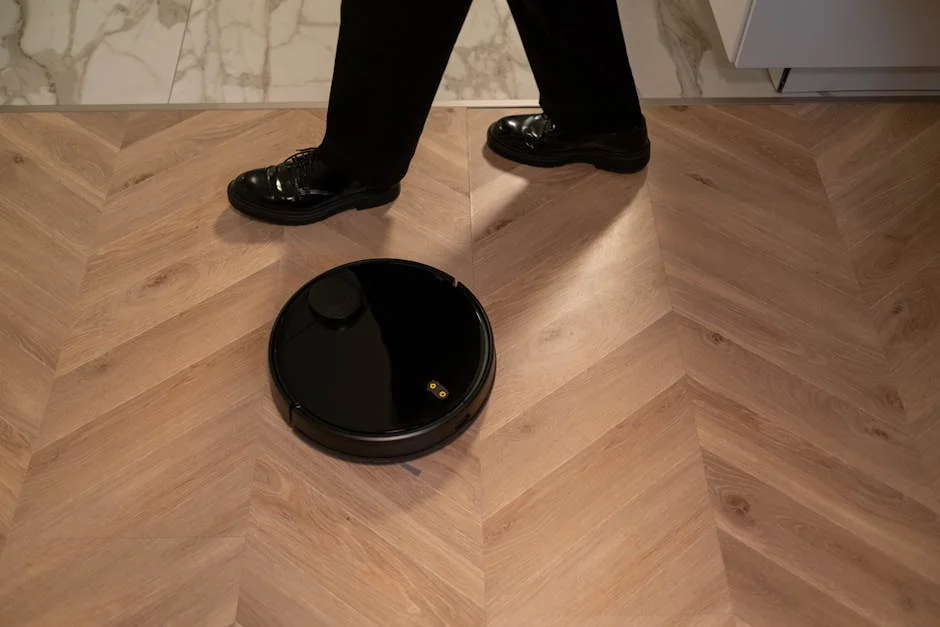
Hardwood flooring adds warmth, value, and a polished look to any home, but it also demands the right cleaning routine. Dust, pet hair, crumbs, and fine grit can quickly dull the finish if they are not removed regularly. That is why many homeowners are now looking at it as a practical way to maintain cleaner spaces without spending a fortune. These smart devices offer hands-free convenience, scheduled cleaning, and gentle daily upkeep that can help protect wood surfaces.
Table of Contents
- Why Hardwood Floors Need the Right Robot Vacuum
- Key Features to Look for Before You Buy
- 1. Suction Power and Cleaning Modes
- 2. Brush Design
- 3. Navigation and Mapping
- 4. Slim Profile and Obstacle Handling
- 5. Dustbin Capacity and Filtration
- 6. Mopping Function
- 7. App Control and Scheduling
- Best Types of Affordable Robot Vacuums for Hardwood Homes
- Budget Basic Models
- Pet-Friendly Options
- Smart Mapping Models
- Vacuum-and-Mop Combos
- Low-Profile Furniture-Friendly Units
- How to Choose the Best Model for Your Budget
- Tips to Get Better Performance on Hardwood Floors
- FAQ About Affordable Robotic Vacuums for Hardwood Floors
- Are affordable robotic vacuums for hardwood floors safe for delicate wood surfaces?
- Do affordable robotic vacuums for hardwood floors work well with pet hair?
- Can affordable robotic vacuums for hardwood floors replace regular vacuuming?
- Are vacuum-and-mop combos good for hardwood?
- How long do affordable robotic vacuums for hardwood floors usually last?
- Conclusion
The challenge is that not every robot vacuum is ideal for hardwood. Some have wheels or brushes that may scatter debris, while others may lack the suction or navigation needed for efficient cleaning. This guide explores what matters most, how to compare options, and how to choose from the best this for your needs and budget.
Why Hardwood Floors Need the Right Robot Vacuum
Hardwood floors are beautiful, but they reveal dust and debris more easily than carpet. Fine particles such as sand, dirt, and pet dander can act like abrasives underfoot. Over time, that buildup may affect the shine and appearance of the floor. This is one reason so many buyers search for these instead of relying only on manual sweeping.
The ideal robot vacuum for wood surfaces should be gentle yet effective. Strong suction matters, but the cleaning head design is just as important. Soft wheels, rubberized brushes, and a low-profile body help reduce the risk of scuffs while allowing the machine to glide smoothly under furniture. Good edge cleaning also matters because dust often gathers along baseboards and in corners.
Another major factor is debris type. Hardwood commonly collects visible crumbs, fine dust, hair, and tracked-in outdoor particles. The best they are designed to pick up both larger debris and tiny particles without repeatedly pushing them around. Models with smart navigation are especially useful because they avoid random passes and cover rooms more efficiently.
Noise can also influence your decision. Since hardwood does not absorb sound like carpet, some vacuum models may seem louder in use. A quieter machine makes it easier to run frequent cleaning cycles during the day. Many homeowners appreciate scheduling daily runs while they are working, cooking, or even sleeping.
Battery life is worth considering too. Open floor plans with extensive wood surfaces may require longer runtimes and recharge-and-resume features. Even entry-level models now offer impressive battery performance, making the concept more capable than ever before.
Key Features to Look for Before You Buy
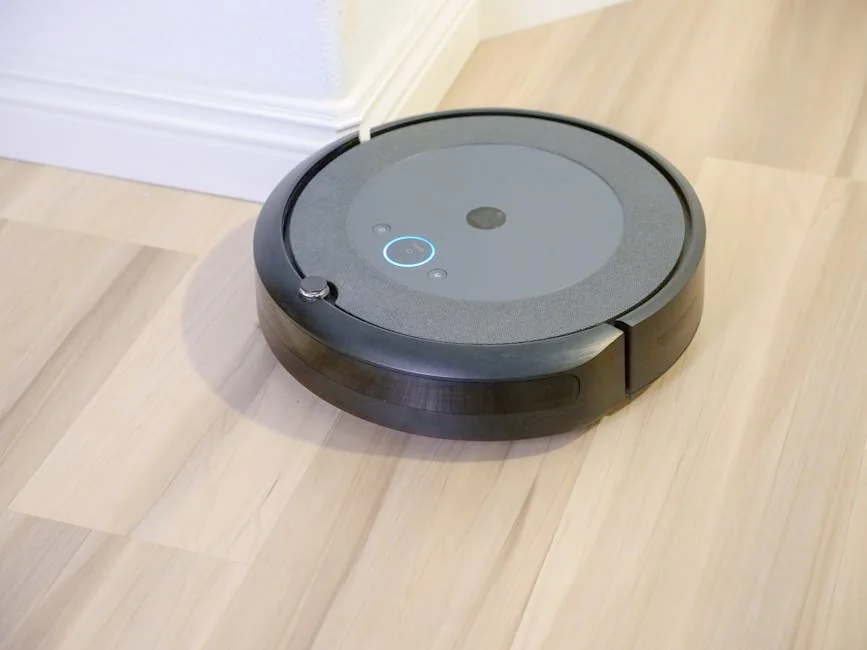
When comparing the approach, focus on practical features rather than marketing claims. A lower price does not have to mean poor performance, but it does mean you should prioritize the features that matter most for wood flooring.
1. Suction Power and Cleaning Modes
Hardwood floors usually do not require the same deep agitation as carpet, but they do benefit from consistent suction. Look for models with adjustable suction settings. A lower mode may be enough for daily dust, while a stronger setting can tackle entryway grit or kitchen crumbs.
2. Brush Design
Traditional bristle brushes can work, but rubber brush rolls are often a better match for wood surfaces. They are less likely to tangle with hair and may be gentler on delicate finishes. Side brushes should also be designed to pull debris inward rather than scatter it.
3. Navigation and Mapping
Entry-level robot vacuums often move semi-randomly, while better models use gyroscope, camera, or lidar-based navigation. Smarter movement means better coverage, fewer missed spots, and less unnecessary bumping into furniture. Many it now include app-based maps, room selection, and no-go zones.
4. Slim Profile and Obstacle Handling
Hardwood areas often include furniture with low clearance. A slim robot vacuum can clean beneath beds, sofas, and cabinets where dust tends to collect. At the same time, it should cross thresholds smoothly without getting stuck between rooms.
5. Dustbin Capacity and Filtration
A larger dustbin means fewer interruptions, especially in homes with pets. Fine dust is common on wood floors, so effective filtration helps trap particles rather than release them back into the air. This is especially valuable for allergy-sensitive households.
6. Mopping Function
Some this also include a mopping attachment. This can be useful for light maintenance, but it should be used carefully. Too much water can damage wood, so choose systems with controlled moisture output and check whether the manufacturer specifically supports sealed hardwood.
7. App Control and Scheduling
Convenience is one of the biggest advantages of robot vacuums. App scheduling, voice assistant integration, and zone cleaning can make a budget-friendly unit feel much more premium. Daily scheduled runs can dramatically reduce visible dust on hardwood.
By focusing on these features, you can narrow your choices and find a machine that fits both your home and your budget.
Best Types of Affordable Robot Vacuums for Hardwood Homes
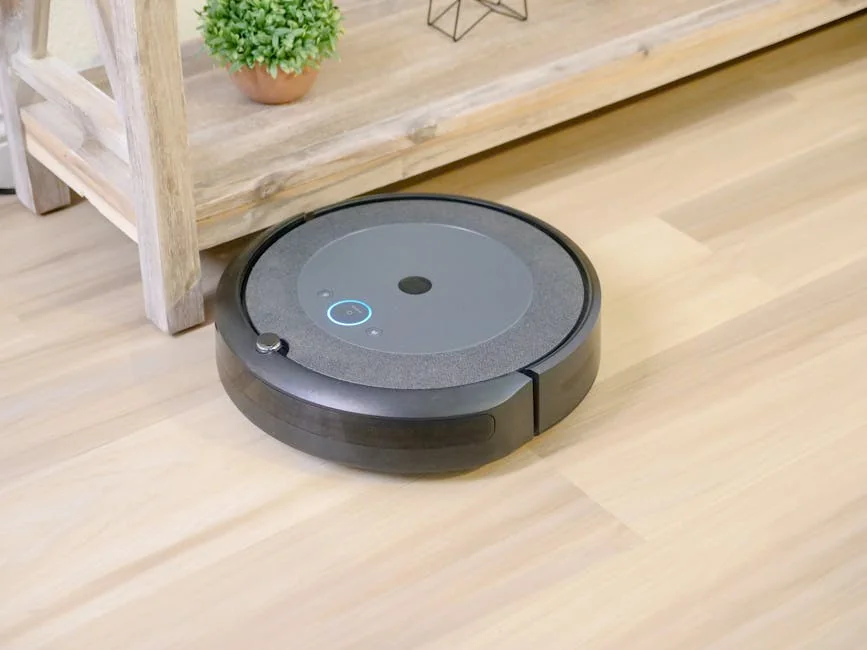
Not every household has the same cleaning needs. The right choice among these often depends on your layout, pets, traffic level, and expectations. Instead of focusing only on brand names, it helps to understand the main categories available.
Budget Basic Models
These are ideal for small apartments, single-room cleaning, or light daily maintenance. They usually offer decent suction, simple sensors, and manual or app scheduling. If your home has mostly open hardwood areas and minimal clutter, a basic model may be enough.
Pet-Friendly Options
Pet owners need stronger suction, anti-tangle brushes, and better filtration. Hair tends to collect along edges and under furniture, so edge-cleaning performance matters. Many affordable pet-focused units now combine rubber rollers with larger dustbins, making them strong contenders among they.
Smart Mapping Models
If you want more control, mapping models are worth considering. They allow room-by-room cleaning, virtual boundaries, and more efficient routes. This type works well in medium to large homes with multiple hardwood rooms. Although slightly higher in price, many still fall comfortably within the affordable category.
Vacuum-and-Mop Combos
These are popular for households that want one device for dry debris and light surface maintenance. On sealed hardwood, combo units can be practical if used with low-moisture settings. Still, users should avoid over-wetting floors and follow care instructions closely.
Low-Profile Furniture-Friendly Units
For homes with many couches, tables, and storage cabinets, a shorter robot vacuum can make a big difference. It reaches spaces where dust accumulates and reduces the need for frequent manual touch-ups. In many cases, these are the most useful the concept because they handle everyday hidden messes so well.
The best category for you depends on whether you value simplicity, pet hair pickup, mapping intelligence, or a 2-in-1 design. Understanding your priorities will make the final decision much easier.
How to Choose the Best Model for Your Budget
Finding the right the approach starts with setting realistic expectations. A budget model may not include every premium feature, but it can still deliver excellent daily cleaning if you match it to your environment.
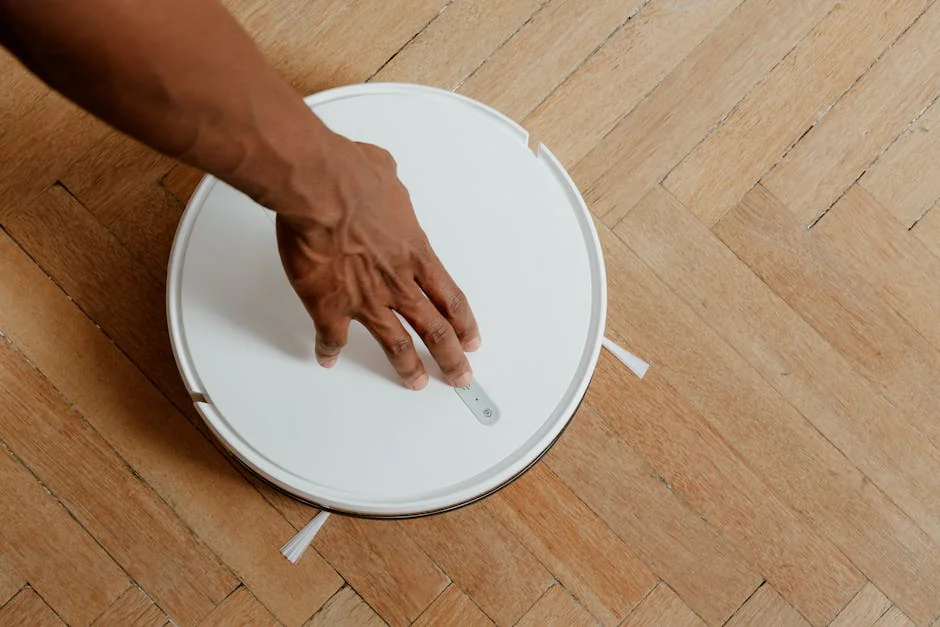
First, consider the size of your home. For smaller areas, battery life and advanced mapping may be less important. A straightforward robot with reliable suction and decent sensors can handle routine cleaning effectively. For larger homes, invest in longer runtime and better navigation so the vacuum can cover more area without wasting energy.
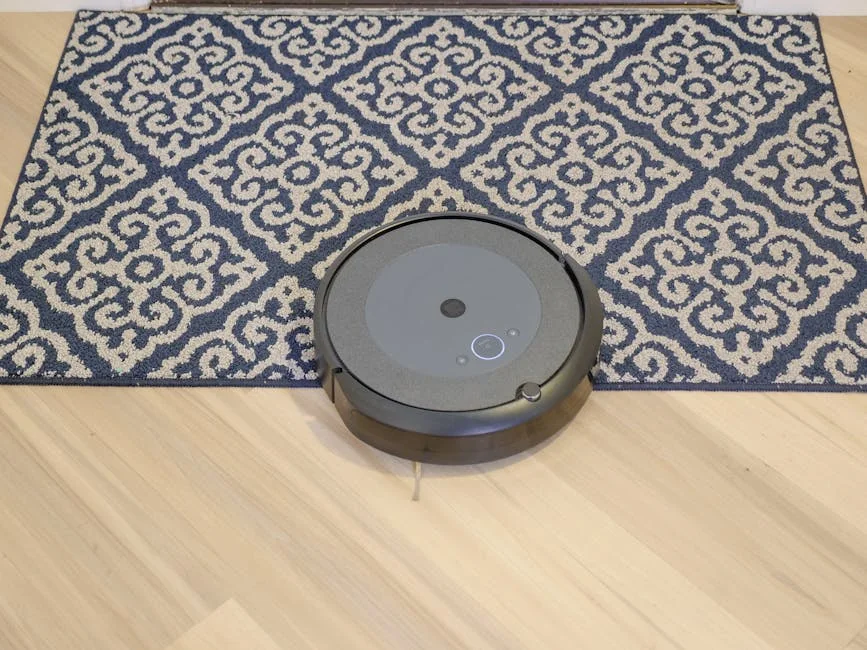
Next, look at floor transitions. If your hardwood connects to rugs or tile, choose a model that can climb low thresholds without dragging or getting stuck. Homes with many room dividers or raised transitions need stronger wheels and smarter obstacle handling.
Pet ownership should influence your decision as well. Shedding dogs and cats create constant cleaning demands, especially on dark hardwood where fur shows easily. In that case, prioritize anti-tangle brush systems, a bigger bin, and stronger suction over less essential extras.
App features are also worth evaluating. Many buyers assume budget robots will be difficult to use, but modern apps are often simple and useful. Scheduling, cleaning history, spot cleaning, and maintenance alerts add meaningful value. Several affordable robotic vacuums for hardwood floors offer these features at surprisingly competitive prices.
Do not ignore maintenance costs. Replacement filters, brushes, and mop pads can affect long-term affordability. A lower upfront price is only a good deal if parts remain reasonably priced and easy to find. It also helps to choose models from brands with responsive customer support and clear warranty terms.
Finally, read user reviews with a hardwood-specific mindset. Focus less on general star ratings and more on comments about dust pickup, gentle movement, noise level, and performance along edges. Reviews from homes with similar layouts can reveal whether a product is truly suitable.
If you compare runtime, brush design, navigation, maintenance costs, and hardwood safety, you will be much more likely to choose from the best affordable robotic vacuums for hardwood floors available today.
Tips to Get Better Performance on Hardwood Floors
Even the best affordable robotic vacuums for hardwood floors perform better when used correctly. A few simple habits can improve cleaning results and help protect your flooring.
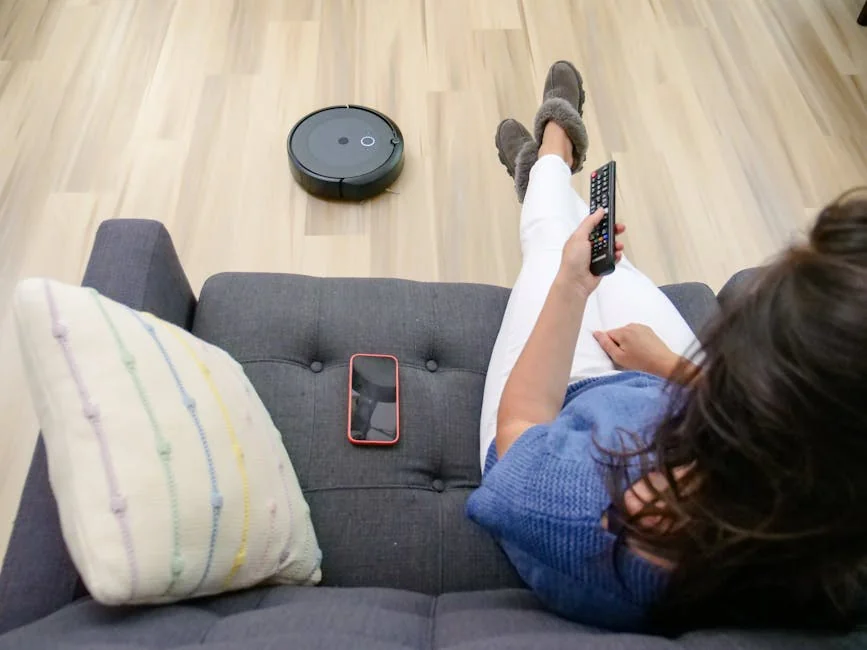
Start by preparing the space. Pick up cords, small toys, socks, and lightweight rugs that could interfere with navigation. Fewer obstacles allow the robot to clean more thoroughly and reduce the chance of jams.
Run the vacuum frequently. Hardwood benefits from daily or near-daily cleaning because fine dust and grit are easier to remove before they accumulate. Frequent runs also mean the robot deals with smaller messes each time, which can improve overall efficiency.
Clean brushes and sensors regularly. Hair wrapped around brushes can reduce pickup performance, while dusty sensors may interfere with navigation. Routine maintenance keeps affordable robotic vacuums for hardwood floors operating at their best and extends their lifespan.
Use mopping features cautiously. If your robot includes a mop attachment, make sure the pad is only lightly damp and suitable for sealed wood. Never allow standing moisture on hardwood, and avoid using harsh cleaning solutions unless the manufacturer approves them.
Set no-go zones when needed. Delicate decor, pet bowls, and areas with many cables may be better left off limits. Smart mapping models make this easy and help avoid unnecessary collisions.
Check wheels for trapped debris. Small stones or grit caught in the wheels can potentially mark wood surfaces over time. A quick inspection every so often helps ensure safe operation.
Lastly, remember that robot vacuums are best for maintenance rather than occasional deep cleaning. They reduce dust and daily debris, but you may still want a stick vacuum or microfiber mop for seasonal detail work. Used this way, affordable robotic vacuums for hardwood floors can save time while keeping your home consistently cleaner.
FAQ About Affordable Robotic Vacuums for Hardwood Floors
Are affordable robotic vacuums for hardwood floors safe for delicate wood surfaces?
Yes, most affordable robotic vacuums for hardwood floors are safe for sealed wood when they have soft wheels, gentle brush designs, and well-maintained components. It is important to keep the wheels and brushes clean so trapped debris does not scratch the surface.
Do affordable robotic vacuums for hardwood floors work well with pet hair?
Many affordable robotic vacuums for hardwood floors handle pet hair very well, especially models with strong suction, anti-tangle brushes, and larger dustbins. If you have multiple pets, choose a model specifically designed for hair pickup and frequent daily use.
Can affordable robotic vacuums for hardwood floors replace regular vacuuming?
In most homes, affordable robotic vacuums for hardwood floors are best for routine maintenance rather than complete replacement of all cleaning. They are excellent for daily dust, crumbs, and hair, but occasional deep cleaning is still helpful for corners, upholstery, and detailed areas.
Are vacuum-and-mop combos good for hardwood?
Some affordable robotic vacuums for hardwood floors include mopping features that are useful for light maintenance on sealed wood. The key is controlled water output. Avoid overly wet mopping and always follow your flooring manufacturer’s care recommendations.
How long do affordable robotic vacuums for hardwood floors usually last?
With regular maintenance, many affordable robotic vacuums for hardwood floors last several years. Lifespan depends on battery quality, replacement part availability, frequency of use, and how well the brushes, filters, and sensors are maintained.
Conclusion
Choosing among the many affordable robotic vacuums for hardwood floors does not have to be overwhelming. The best option is one that matches your home size, debris level, furniture layout, and cleaning habits. For hardwood surfaces, focus on gentle brush systems, reliable suction, smart navigation, and simple maintenance rather than flashy extras.
Today’s market offers more capable budget-friendly models than ever before, including options for pet owners, small apartments, larger homes, and even light mopping needs. When chosen carefully, affordable robotic vacuums for hardwood floors can help reduce daily dust, protect your floor’s appearance, and make home maintenance much easier. If you prioritize hardwood-safe design and consistent everyday performance, a well-chosen robot vacuum can be one of the smartest affordable upgrades for your home.