Microfiber cloths have become a must-have for anyone who wants faster, easier, and more effective cleaning. From drying kitchen counters to polishing glass, the right cloth can make a noticeable difference in both performance and convenience. When shoppers compare the it, they usually want something that can hold a large amount of liquid, trap dust efficiently, and remain durable after repeated washing.
Table of Contents
- What Makes the Most Absorbent Microfiber Cleaning Cloths So Effective?
- How to Choose the Most Absorbent Microfiber Cleaning Cloths
- Best Uses for the Most Absorbent Microfiber Cleaning Cloths Around the Home
- How to Care for the Most Absorbent Microfiber Cleaning Cloths
- Common Buying Mistakes to Avoid When Choosing the Most Absorbent Microfiber Cleaning Cloths
- FAQ About the Most Absorbent Microfiber Cleaning Cloths
- What are the most absorbent microfiber cleaning cloths made of?
- Are thicker microfiber cloths always more absorbent?
- Can I use the most absorbent microfiber cleaning cloths on glass?
- How do I wash microfiber cloths without damaging them?
- How long do microfiber cleaning cloths last?
- Conclusion
Choosing the best option is not always simple. Cloth thickness, fiber blend, weave type, edging, and intended use all affect absorbency and overall value. Some are designed for heavy spills, while others perform better on delicate surfaces or streak-free detailing. This guide explains how absorbency works, what features matter most, how to compare options, and how to care for them properly so you get long-lasting results from the this.
What Makes the Most Absorbent Microfiber Cleaning Cloths So Effective?
The performance of the these comes from how microfiber is engineered. Unlike traditional cotton cloths, microfiber is made from extremely fine synthetic fibers, commonly polyester and polyamide. These fibers are split during manufacturing, creating tiny channels that can pull in water, oil, and dust. That split-fiber structure dramatically increases surface area, which is one reason microfiber can absorb several times its weight in liquid.
Another important factor is GSM, or grams per square meter. Higher GSM cloths are usually thicker, plusher, and better suited for jobs that require maximum liquid pickup. Lower GSM cloths can still be useful, but they are often better for light cleaning or streak-free polishing than for soaking up major spills. If your goal is to find the they, a higher GSM range is often a good starting point.
Weave style also affects absorbency. Plush terry microfiber tends to be ideal for general cleaning and spill absorption because its looped structure creates more contact points. Waffle weave cloths are especially popular for drying because their textured pockets help capture and hold water efficiently. Suede or flat-weave cloths, on the other hand, may be less absorbent but are excellent for glass, screens, and polished surfaces.
Fiber composition matters too. Cloths with a higher polyamide content often feel softer and may absorb water better than options with a lower percentage. A common blend is 80/20 polyester to polyamide, though premium products may offer slightly different ratios. Stitching and edging are also worth evaluating because poor construction can reduce durability and even scratch sensitive finishes.
In practical use, the the concept save time because they reduce the number of passes needed to clean or dry a surface. They can lift moisture quickly, hold onto debris instead of spreading it around, and often work well with minimal chemical cleaners. That combination of absorbency, cleaning power, and surface safety explains why microfiber remains a top choice for homeowners, car enthusiasts, and professional cleaners alike.
How to Choose the Most Absorbent Microfiber Cleaning Cloths
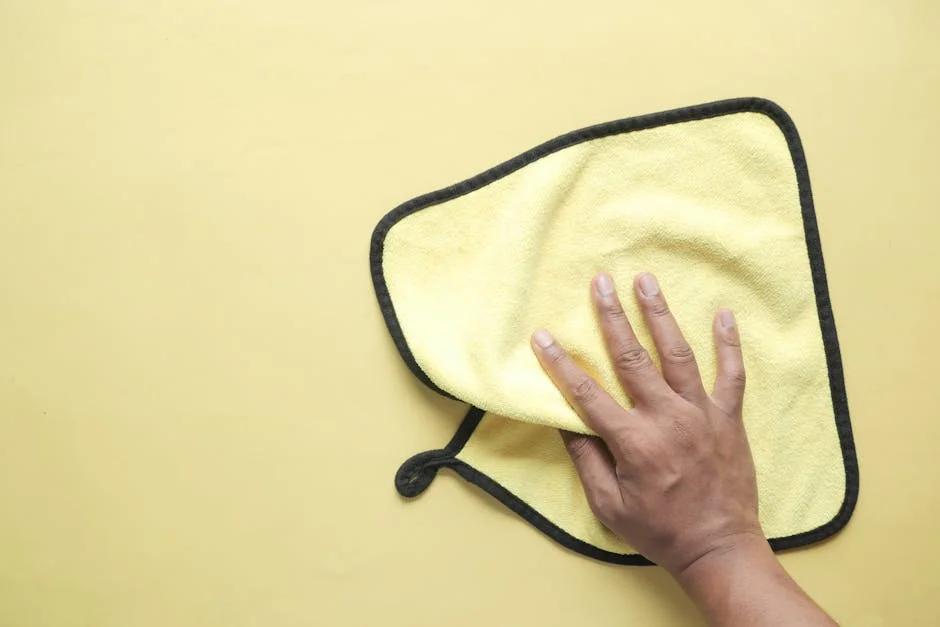
When shopping for the the approach, start by thinking about the job you need them to do. A cloth for wiping bathroom counters may not be the best choice for drying a car or cleaning kitchen spills. Matching cloth type to purpose is one of the easiest ways to improve results.
First, check the thickness and GSM. For highly absorbent household use, many buyers prefer cloths in the medium-to-high GSM range because they strike a balance between softness, water retention, and maneuverability. Extra-thick cloths can be excellent for heavy-duty tasks, though they may take longer to dry after washing. If you want the it for regular daily cleaning, a plush, moderately thick cloth often delivers the best combination of comfort and performance.
Second, consider size. Larger cloths can cover more area and handle more liquid, making them useful for drying sinks, countertops, appliances, or vehicles. Smaller cloths are easier to control for detail work and quick wipe-downs. Many households benefit from keeping several sizes on hand for different tasks.
Third, look at the edge design. Silk-banded or edgeless cloths are often preferred for delicate surfaces because they reduce the risk of scratches. Reinforced stitched edges can improve durability for tougher jobs. If you plan to use microfiber on glass, stainless steel, electronics, or car paint, soft finishing becomes especially important.
Fourth, evaluate lint and streak resistance. Not all microfiber products are created equally. Some leave residue behind, especially when they are low quality or not properly washed before use. Premium options usually perform better over time and maintain their absorbency through repeated laundering. That is why many people invest in the this instead of choosing the cheapest multipack available.
Finally, think about color coding. Using one color for kitchens, another for bathrooms, and another for dusting helps reduce cross-contamination. This simple habit also extends cloth life because each cloth can be assigned to tasks that match its wear level. The best purchasing decision is not only about maximum absorbency but also about practicality, durability, and how well the cloth fits your cleaning routine.
Best Uses for the Most Absorbent Microfiber Cleaning Cloths Around the Home
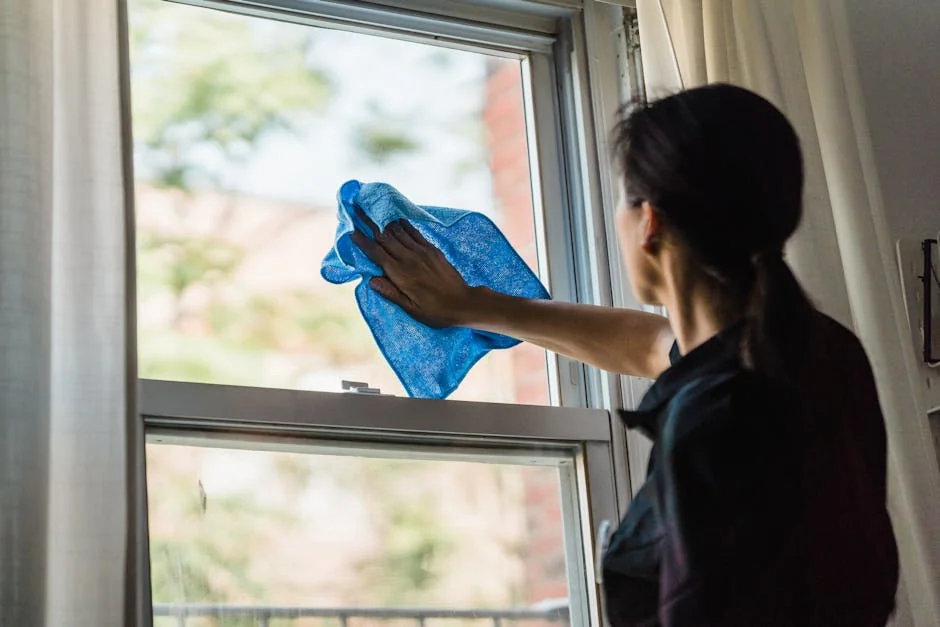
One reason the these are so popular is their versatility. They can handle a wide range of household cleaning tasks more effectively than many traditional towels or rags. When used correctly, they help cut down on waste, save time, and improve cleaning results.
In the kitchen, highly absorbent microfiber cloths are excellent for wiping spills, drying countertops, cleaning appliance exteriors, and absorbing water around sinks. Because microfiber can trap grease and grime efficiently, it is especially useful for high-touch areas such as cabinet handles, stovetops, and refrigerator doors. Many people rely on the they to replace paper towels for everyday messes, which can reduce recurring household costs.
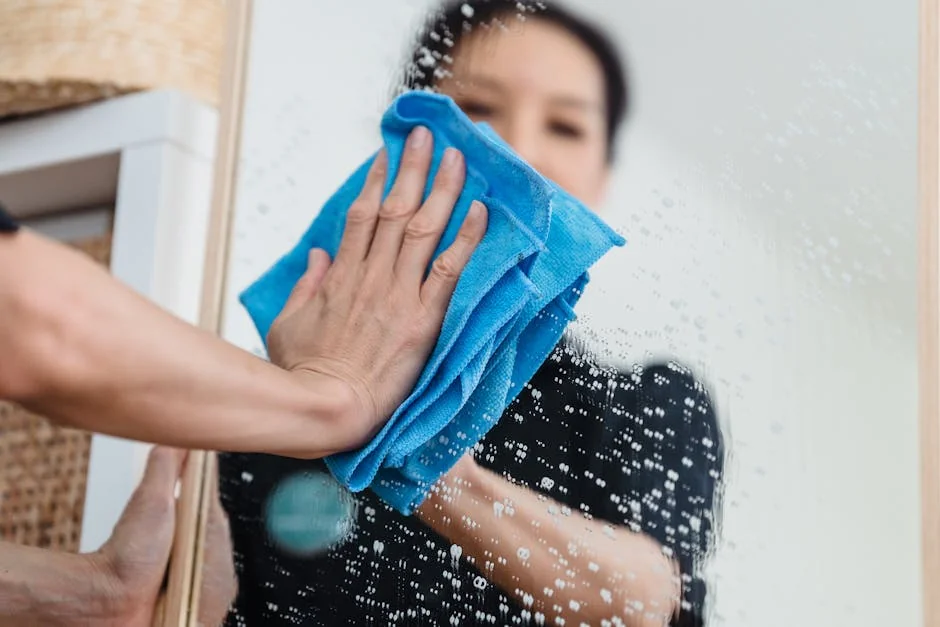
In bathrooms, these cloths work well for drying sinks, removing water spots, and cleaning mirrors when paired with the right weave. Plush microfiber can soak up excess moisture on counters, while smoother cloths can be used to buff glass and chrome fixtures. Their ability to hold dirt and liquid makes them useful for quick daily maintenance as well as deeper weekly cleaning.
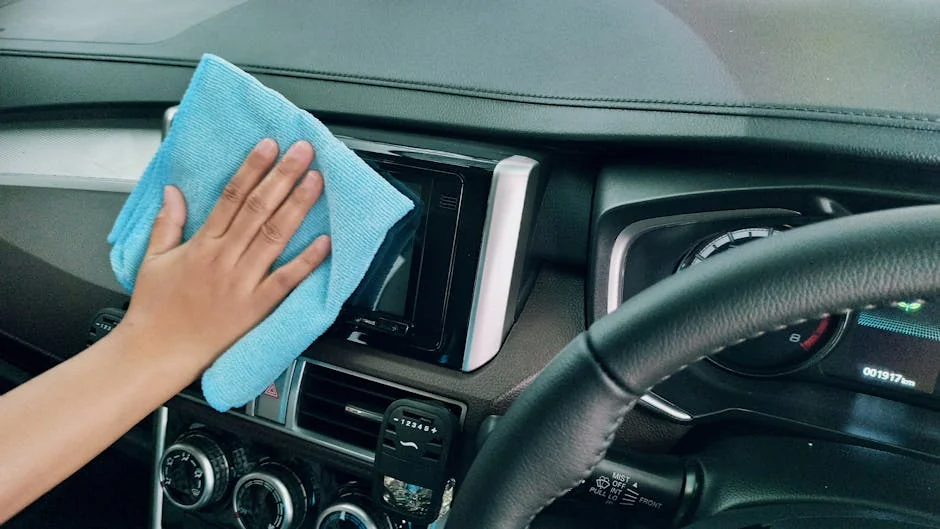
For dusting, microfiber is highly effective because it attracts and captures fine particles rather than scattering them into the air. Dry microfiber cloths can be used on shelves, blinds, baseboards, and electronics. Slightly damp cloths work well for removing stuck-on dust and smudges from surfaces without using harsh chemicals.
Laundry rooms and utility spaces also benefit from the the concept. They can be used to wipe washer and dryer exteriors, absorb drips near utility sinks, and clean shelving or detergent spills. In entryways, they are helpful for catching muddy splashes, wet footprints, and pet-related messes before stains spread further into the house.
Even outside the home interior, microfiber shines. Many people use the the approach for car drying, window washing, boat detailing, RV maintenance, and patio furniture care. Because a high-quality cloth can absorb significant amounts of water while remaining soft, it is ideal for painted surfaces and glossy finishes that require gentle treatment.
The key is using the right cloth for the right task and laundering it correctly after use. With a small collection of quality microfiber cloths, you can cover most household cleaning jobs with less effort and fewer disposable products.
How to Care for the Most Absorbent Microfiber Cleaning Cloths
Proper care is essential if you want the it to maintain their performance. Even premium microfiber can lose effectiveness if washed incorrectly, exposed to fabric softener, or mixed with lint-producing fabrics.

The first rule is to wash microfiber separately from cotton towels, blankets, or clothing that sheds lint. Microfiber is designed to attract particles, so it will easily grab onto lint during the wash cycle. Once that lint gets trapped in the fibers, the cloth may become less effective for cleaning glass, mirrors, and polished surfaces.
Use a mild liquid detergent without added softeners, fragrances, or heavy residues. Avoid bleach and fabric softener completely. Fabric softener coats the fibers and reduces the tiny spaces that allow microfiber to trap moisture and dirt. If you have invested in the this, avoiding this one mistake can significantly extend their useful life.
Wash in warm or cool water, depending on the manufacturer’s instructions, and choose a gentle or normal cycle. For heavily soiled cloths, pre-soaking in water with a small amount of detergent can help release grease and debris before laundering. If cloths have been used with waxes, oils, or harsh chemicals, consider washing those separately from general household microfiber.
Drying matters too. Air drying is safe and effective, but machine drying on low heat is usually acceptable for most microfiber products. High heat can damage synthetic fibers and reduce softness or absorbency over time. Make sure cloths are fully dry before storing them to prevent mildew or odors.
Storage should be clean and organized. Fold cloths by use category, such as kitchen, bath, dusting, and automotive. This keeps contamination low and helps you identify the right cloth quickly. The these often last through many wash cycles when they are maintained properly, making them a cost-effective cleaning tool over the long term.
If a cloth starts leaving streaks, feels stiff, or no longer absorbs well, it may be overloaded with residue or nearing the end of its life. Sometimes a thorough rewash without additives can restore performance. If not, reassign it to dirtier tasks like floor cleaning or garage work before replacing it.
Common Buying Mistakes to Avoid When Choosing the Most Absorbent Microfiber Cleaning Cloths
Many shoppers assume all microfiber cloths perform the same, but that is far from true. If you want the they, it helps to avoid a few common mistakes that can lead to disappointment.
One major mistake is choosing based on price alone. Extremely cheap cloths may have lower-quality fibers, poor stitching, or blends that are less effective at absorbing liquid. While budget matters, buying low-grade microfiber often means replacing cloths sooner and getting weaker results on spills and drying tasks.
Another mistake is ignoring weave type. Buyers sometimes purchase flat-weave glass cloths and expect them to work like plush drying towels. Different cloths are built for different jobs. If absorbency is your priority, texture and thickness should be part of your decision, not an afterthought.
A third issue is overlooking fiber blend and product details. Some packages advertise microfiber prominently but provide limited information about composition, GSM, or intended use. When comparing the most absorbent microfiber cleaning cloths, specific product information is often a sign of better quality and more reliable performance.
Many people also buy only one type of cloth for every job. That can lead to frustration, especially if one cloth is too thick for electronics or too thin for kitchen spills. Building a small set with a few specialized options often works better than expecting one universal cloth to do everything perfectly.
Finally, neglecting maintenance can ruin even the best purchase. A premium cloth washed with fabric softener or dried on high heat may perform worse than a mid-range cloth that is cared for correctly. Product quality and maintenance go hand in hand. If you understand both, it becomes much easier to get lasting value from the most absorbent microfiber cleaning cloths you choose.
FAQ About the Most Absorbent Microfiber Cleaning Cloths
What are the most absorbent microfiber cleaning cloths made of?
The most absorbent microfiber cleaning cloths are typically made from a blend of polyester and polyamide. The fibers are split into extremely fine strands, creating more surface area and tiny spaces that capture liquid, dirt, and dust more effectively than standard cloth materials.
Are thicker microfiber cloths always more absorbent?
Not always, but thickness often helps. The most absorbent microfiber cleaning cloths usually have a higher GSM and a plush or waffle weave that can hold more water. However, weave style, fiber quality, and blend ratio also play important roles in absorbency.
Can I use the most absorbent microfiber cleaning cloths on glass?
Yes, but results depend on the weave. Some of the most absorbent microfiber cleaning cloths are better for spills and drying, while flatter weaves are better for streak-free glass cleaning. For best results, use a cloth designed specifically for glass if that is your main task.
How do I wash microfiber cloths without damaging them?
To protect the most absorbent microfiber cleaning cloths, wash them separately from linty fabrics using mild detergent. Avoid bleach and fabric softener, and dry on low heat or air dry. Proper washing helps preserve absorbency and softness.
How long do microfiber cleaning cloths last?
With good care, the most absorbent microfiber cleaning cloths can last through many wash cycles and months or even years of regular use. Lifespan depends on quality, frequency of use, and whether they are washed and dried correctly.
Conclusion
The right microfiber cloth can significantly improve how you clean, dry, and maintain surfaces throughout your home. When comparing the most absorbent microfiber cleaning cloths, focus on fiber blend, GSM, weave type, construction quality, and intended use rather than price alone. A well-made cloth should absorb liquid quickly, capture dust efficiently, remain soft on delicate surfaces, and hold up through repeated washing.
Whether you need cloths for kitchen spills, bathroom maintenance, dusting, glass care, or vehicle drying, choosing the most absorbent microfiber cleaning cloths for each task will save time and produce better results. Just as important, proper laundering and storage will help preserve performance over the long term. With the right selection and care routine, microfiber cloths can become one of the most reliable and cost-effective tools in your entire cleaning arsenal.