Introduction
Daily travel can be exhausting, especially when you are surrounded by engine rumble, crowded platforms, traffic noise, and constant chatter. That is exactly why many people start searching for it instead of settling for basic earbuds that do little to reduce distraction. A good pair can make a train ride feel calmer, help you focus on podcasts or calls, and even reduce listening fatigue by letting you keep the volume lower.
Table of Contents
- Introduction
- What to Look for Before You Buy
- 1. Active Noise Cancellation Performance
- 2. Comfort for Long Rides
- 3. Battery Life and Charging
- 4. Portability and Build Quality
- 5. Call Quality and Controls
- Best Features That Matter Most for Commuters
- Reliable Wireless Connectivity
- Transparency or Ambient Mode
- Decent Sound Without Extreme Tuning
- Multipoint Pairing
- Water and Sweat Resistance
- How to Choose the Right Type for Your Commute
- Over-Ear Headphones
- On-Ear Headphones
- Wireless Earbuds vs. Headphones
- Think About Your Commute Environment
- Common Buying Mistakes to Avoid
- Buying Based Only on Discounts
- Ignoring Comfort Reviews
- Expecting Premium ANC at the Lowest Price
- Overlooking Replacement and Warranty Support
- Forgetting About Everyday Usability
- Tips to Get the Most Value From Your Purchase
- Set a Realistic Budget Range
- Prioritize Your Top Three Needs
- Watch for Seasonal Sales
- Read Reviews From Actual Commuters
- Take Care of Your Headphones
- FAQ
- Are affordable noise cancelling headphones for commuting worth buying?
- Do affordable noise cancelling headphones for commuting block all outside noise?
- How much should I spend on affordable noise cancelling headphones for commuting?
- Are over-ear models better than on-ear options for commuting?
- Can I use affordable noise cancelling headphones for commuting for work calls too?
- Conclusion
The challenge is finding a model that balances price, comfort, battery life, and reliable noise cancellation. Not every budget option performs the same, and not every commuter needs premium flagship features. In this guide, we will break down what matters most, how to compare options, and how to choose this that truly fit your routine.
What to Look for Before You Buy
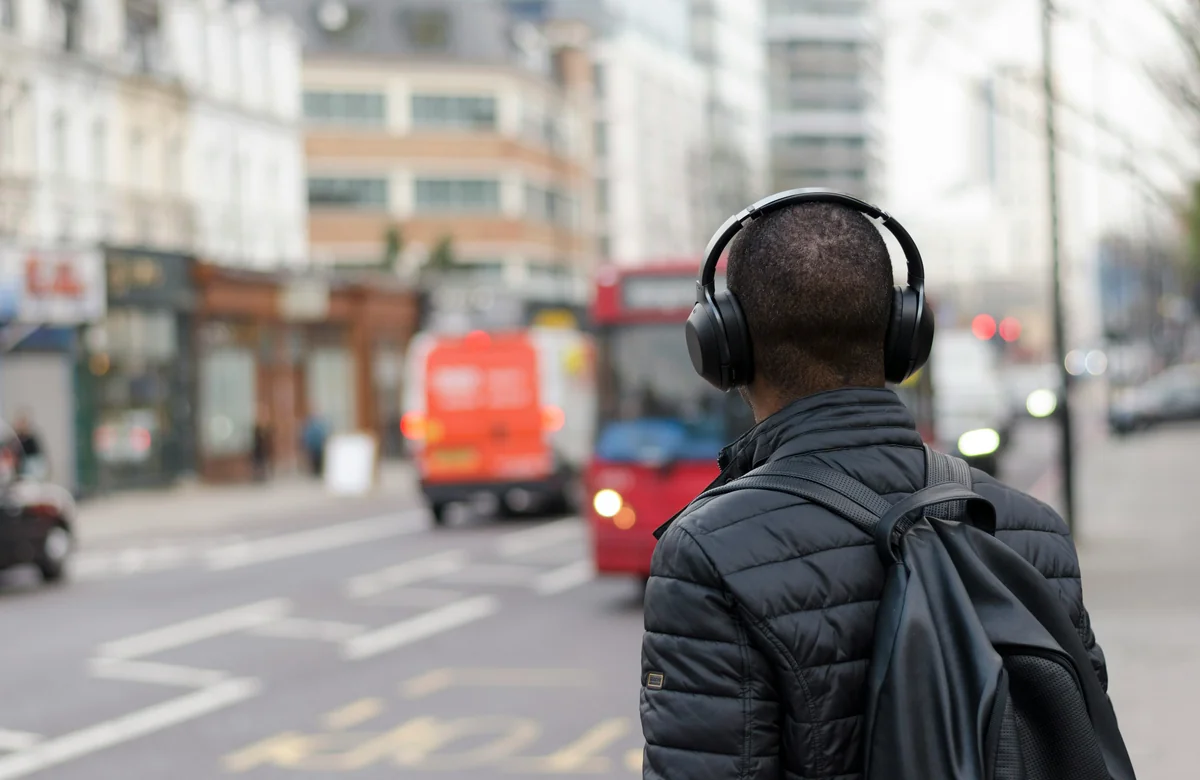
Choosing these is not only about finding the lowest price. True value comes from getting the right mix of features for daily use. If you commute every weekday, comfort and consistency matter just as much as cost.
1. Active Noise Cancellation Performance
The first thing most buyers care about is how well the headphones reduce outside noise. Active noise cancellation, or ANC, works best against steady low-frequency sounds such as bus engines, airplane hum, subway vibration, and office air conditioning. Budget models may not eliminate every sound, but the best ones noticeably soften the background so your music or podcasts come through more clearly.
When comparing they, look for realistic reviews rather than exaggerated marketing. Some low-cost pairs offer decent ANC for trains and buses, while others barely outperform standard passive isolation.
2. Comfort for Long Rides
A commute might only last 20 minutes, or it could stretch well beyond an hour each way. In either case, pressure from tight ear cups or a heavy headband becomes annoying quickly. Lightweight designs, soft memory foam padding, and adjustable hinges make a major difference.
Over-ear headphones usually provide better isolation and comfort for extended listening, though some commuters prefer compact on-ear models for portability. The best the concept should feel secure without clamping too hard.
3. Battery Life and Charging
ANC uses power, so battery life matters. Many budget headphones now offer 25 to 50 hours of total playback, which is more than enough for a week of regular commuting. Fast charging is another useful feature. Even a 10-minute top-up can sometimes provide several hours of use.
If you often forget to charge devices, prioritize the approach with long battery life and a wired backup option, if available.
4. Portability and Build Quality
Commuters need headphones that can survive backpacks, tote bags, and constant movement. Foldable hinges, swivel ear cups, and a carrying pouch help protect your purchase. Durable plastic is perfectly acceptable at a lower price point, but weak joints and flimsy buttons may become an issue over time.
A portable design is one reason many people choose it over larger home listening models.
5. Call Quality and Controls
If you take calls while walking to work or waiting at the station, microphone quality matters. Clear voice pickup, easy mute controls, and simple touch or button navigation can improve the overall experience. Physical buttons are often easier to use in motion than touch-sensitive panels.
Best Features That Matter Most for Commuters

Not every feature is essential. The right pair of this should focus on the functions that improve everyday travel rather than including gimmicks you rarely use.
Reliable Wireless Connectivity
Bluetooth stability is important when your phone is in a coat pocket or bag. Dropouts are frustrating, especially in crowded stations with lots of wireless interference. A dependable connection makes your commute smoother and less distracting.
Transparency or Ambient Mode
While noise cancellation is useful, there are moments when you need to hear your surroundings. Announcements, traffic, or a quick conversation with a cashier are easier when your headphones offer an ambient sound mode. This feature lets outside noise pass through without forcing you to remove the headphones.
Many these now include some version of transparency mode, and it is surprisingly helpful in daily life.
Decent Sound Without Extreme Tuning
Budget headphones often emphasize heavy bass because it sounds impressive at first. However, commuters usually benefit more from balanced sound that keeps vocals, podcasts, and audiobooks clear. Strong bass is fine, but it should not overwhelm everything else.
The best they deliver enjoyable sound across different types of content, whether you stream playlists, join meetings, or listen to news updates.
Multipoint Pairing
If you switch between a phone and a laptop, multipoint connectivity can save time. It allows the headphones to stay connected to two devices at once. This can be especially convenient for hybrid workers who move from commute to office to home without constantly repairing devices.
Water and Sweat Resistance
Commuting is not always dry and comfortable. You may walk in light rain, rush for a train, or wear headphones during a warm summer journey. While over-ear headphones are not usually designed for workouts, a bit of water resistance and durable materials can still be useful.
How to Choose the Right Type for Your Commute
There is no single best style for everyone. The ideal the concept depend on how you travel, how long you wear them, and what you value most.

Over-Ear Headphones
Over-ear models surround the ear and usually provide the best combination of comfort, passive isolation, and stronger ANC. They are often the top choice for train and bus commuters because they reduce low-end noise effectively and feel comfortable during longer rides.
The downside is size. Over-ear the approach can take up more bag space, and some people find them warm during summer.
On-Ear Headphones
On-ear models rest directly on the ears rather than around them. They are often lighter and more compact, which is helpful if you travel with minimal gear. However, they may allow more outside sound to leak in and can become uncomfortable during longer sessions.
For short daily trips, on-ear it may still be a practical option.
Wireless Earbuds vs. Headphones
Some buyers start with headphones in mind but later consider ANC earbuds. Earbuds are smaller and easier to carry, but many people still prefer full headphones for comfort, battery life, and better performance against transport noise. If your priority is maximum portability, earbuds are worth a look. If your priority is comfort and immersion, headphones generally win.
Think About Your Commute Environment
A subway rider has different needs than someone who drives a quiet commuter train route. If your route is especially loud, stronger ANC and better ear padding should rank high on your list. If your commute includes a lot of walking, lighter weight and secure fit may matter more.
The smartest way to shop for affordable noise cancelling headphones for commuting is to match features to your actual environment rather than chasing the most advertised model.
Common Buying Mistakes to Avoid
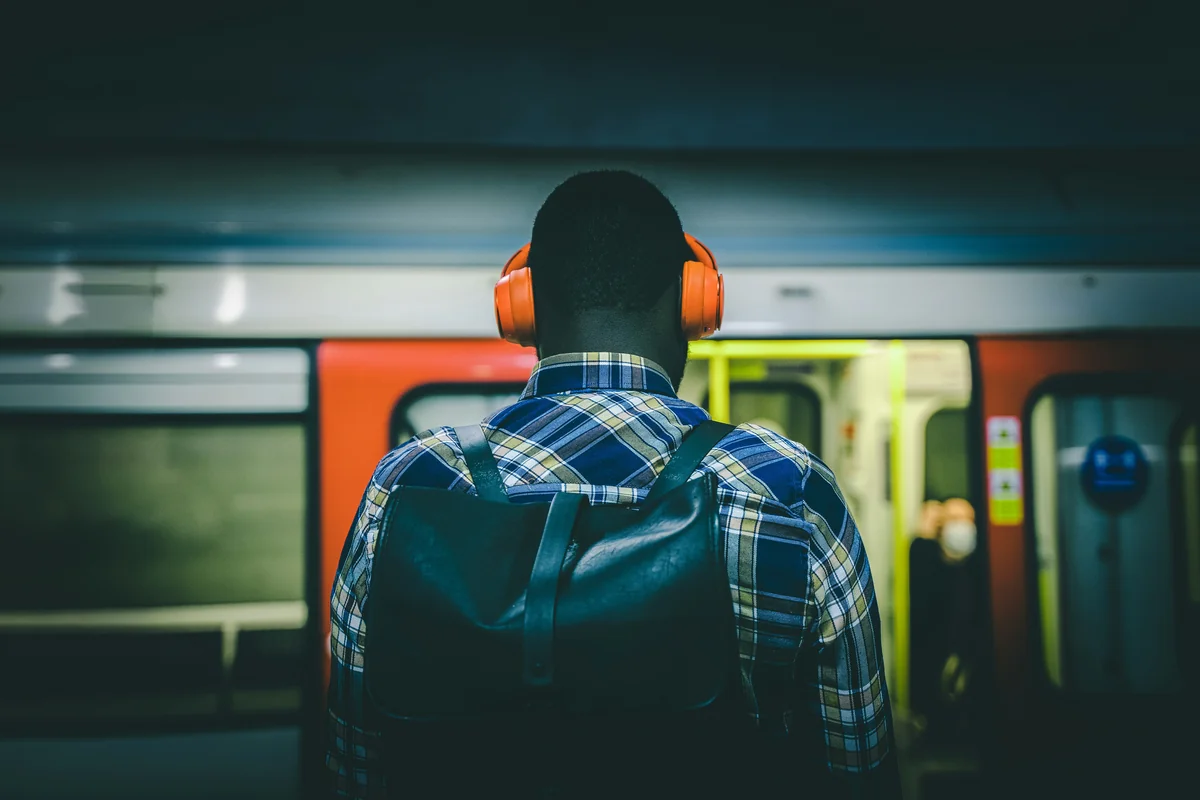
It is easy to be drawn in by marketing claims, but smart shoppers know that not all budget headphones deliver equal performance. Avoiding a few common mistakes can help you find better affordable noise cancelling headphones for commuting and avoid disappointment.
Buying Based Only on Discounts
A large sale does not automatically mean a good buy. Some headphones are heavily discounted because their ANC is weak, the battery is poor, or the build quality is unreliable. Always compare specs and user feedback before purchasing.
Ignoring Comfort Reviews
A pair can sound good and still be a bad choice if it becomes painful after 30 minutes. Since commuting is repetitive, even minor discomfort becomes a daily annoyance. Read reviews from people who wear the headphones for extended periods.
Expecting Premium ANC at the Lowest Price
Budget ANC has improved a lot, but it still has limits. The goal of affordable noise cancelling headphones for commuting is not absolute silence. It is meaningful reduction of the sounds that make travel more tiring. Reasonable expectations lead to better satisfaction.
Overlooking Replacement and Warranty Support
If you use your headphones every day, wear and tear is inevitable. Brands with reliable customer support, replacement pads, and clear warranty terms often provide better long-term value than unknown names with slightly lower prices.
Forgetting About Everyday Usability
Small details such as foldability, intuitive controls, and easy charging may not seem exciting at first, but they strongly affect daily convenience. Headphones should make your commute easier, not add friction to it.
Tips to Get the Most Value From Your Purchase
Once you narrow down your options, a few practical strategies can help you choose affordable noise cancelling headphones for commuting that feel like a smart long-term investment.
Set a Realistic Budget Range

Instead of looking for the absolute cheapest pair, set a price range where quality starts to improve. In many cases, the best value appears in the lower-mid budget tier rather than the rock-bottom segment. Spending slightly more can get you much better ANC, stronger battery life, and superior comfort.
Prioritize Your Top Three Needs
Make a short list of what matters most: maybe comfort, battery, and call quality; or perhaps ANC, compact design, and sound. This helps you avoid being distracted by features you do not really need. The best affordable noise cancelling headphones for commuting are the ones that suit your routine, not the ones with the longest feature list.
Watch for Seasonal Sales
Major shopping periods often bring good deals on reputable brands. If you are not in a rush, waiting for holiday promotions or back-to-school sales can stretch your budget further. Just be careful not to buy outdated models with known problems simply because the price looks tempting.
Read Reviews From Actual Commuters
Product pages often focus on technical specs, but commuters discuss practical details such as how headphones handle train noise, whether they slip during walking, and how long the battery lasts with ANC turned on. Those firsthand insights are more useful than generic marketing language.
Take Care of Your Headphones
Even affordable noise cancelling headphones for commuting can last a long time if you store them properly, keep them clean, and avoid tossing them loose into a crowded bag. Using a case or pouch helps protect the hinges and ear cups from damage.
FAQ
Are affordable noise cancelling headphones for commuting worth buying?
Yes, affordable noise cancelling headphones for commuting are worth buying if you want a quieter, less stressful travel experience without paying premium prices. They can reduce engine hum, improve audio clarity, and help you listen at lower, more comfortable volumes.

Do affordable noise cancelling headphones for commuting block all outside noise?
No, affordable noise cancelling headphones for commuting do not block every sound. They are typically best at reducing steady background noise like trains, buses, and airplane engines. Voices, sudden announcements, and sharp sounds may still come through, especially on lower-cost models.
How much should I spend on affordable noise cancelling headphones for commuting?
A reasonable budget depends on your expectations, but many shoppers find that affordable noise cancelling headphones for commuting offer the best value in the budget to midrange category. Going too cheap may sacrifice comfort or ANC performance, while spending slightly more can bring a noticeable improvement.
Are over-ear models better than on-ear options for commuting?
For most people, over-ear affordable noise cancelling headphones for commuting are better because they usually provide stronger isolation, better comfort, and more effective ANC. On-ear headphones can still work well for shorter trips or for commuters who want a more compact design.
Can I use affordable noise cancelling headphones for commuting for work calls too?
Yes, many affordable noise cancelling headphones for commuting also work well for calls, especially if they include decent microphones and stable Bluetooth. If calls are important to you, check reviews for voice clarity in noisy environments before buying.
Conclusion
Finding the right affordable noise cancelling headphones for commuting comes down to balancing price with the features that truly improve your daily routine. Strong ANC, all-day comfort, dependable battery life, and solid portability are usually more important than flashy extras. The best choice is not necessarily the cheapest option, but the one that gives you the most useful performance for your budget.
If you focus on your commute length, travel environment, and listening habits, you can narrow the market quickly and avoid common buying mistakes. With the right pair of affordable noise cancelling headphones for commuting, daily travel can feel quieter, more comfortable, and much more enjoyable.