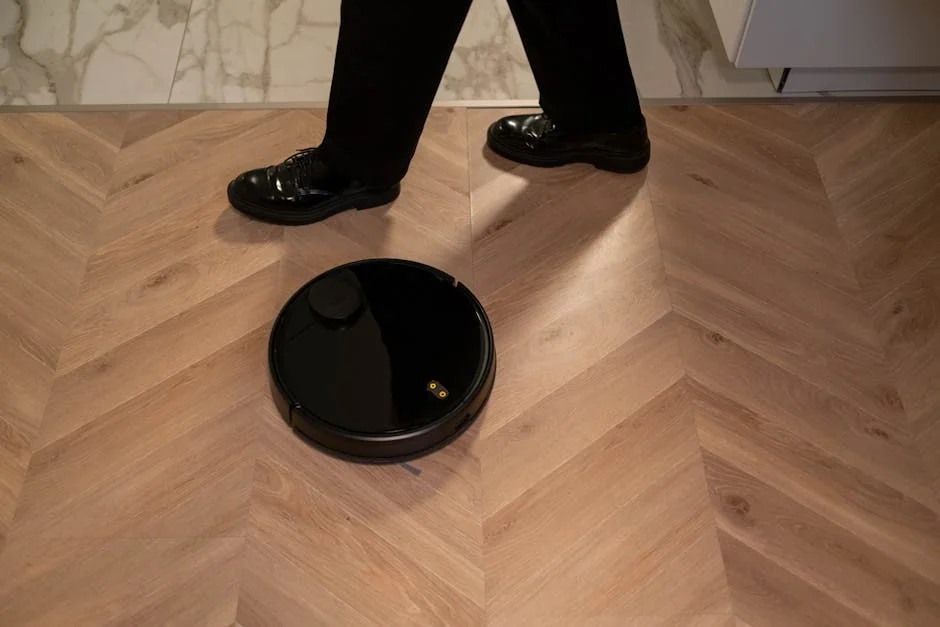
Hardwood floors look elegant, brighten a room, and can even make a home feel more spacious. They also show every speck of dust, pet hair, and crumbs. That is why many homeowners start looking for it instead of dragging out a full-size vacuum every day. The good news is that you do not need to spend a premium to get reliable automated cleaning. Today’s budget-friendly robot vacuums offer better navigation, gentler brushes, app controls, and stronger suction than many people expect. If you want cleaner floors with less daily effort, understanding what features matter most can help you choose wisely. This guide explains how to compare the best value models, what to prioritize for wood surfaces, and how to avoid paying extra for features you may never use.
Table of Contents
- Why Hardwood Floors Need the Right Robot Vacuum
- Key Features to Look for Before You Buy
- Gentle Cleaning Components
- Strong Hard-Floor Pickup
- Navigation and Mapping
- Battery Life
- App Control and Scheduling
- Slim Profile
- Dustbin Capacity and Filter Quality
- Best Types of Budget Robot Vacuums for Wood Surfaces
- Entry-Level Random Navigation Models
- Smart Navigation Value Models
- Vacuum-and-Mop Combos
- Pet-Focused Budget Models
- Self-Emptying Budget Options
- How to Choose the Best Model for Your Home
- Tips to Get Better Results on Hardwood Floors
- FAQ
- Are affordable robotic vacuums for hardwood floors safe for delicate wood surfaces?
- Do affordable robotic vacuums for hardwood floors work well for pet hair?
- Can affordable robotic vacuums for hardwood floors replace a regular vacuum?
- Are mopping combo robots a good choice for hardwood floors?
- How much should I spend on affordable robotic vacuums for hardwood floors?
- Conclusion
Why Hardwood Floors Need the Right Robot Vacuum
Not every robot vacuum is equally suited for wood surfaces. Carpets often benefit from aggressive brush rolls and maximum suction, but hardwood requires a more balanced approach. The best this should remove fine dust and debris without scratching delicate finishes or scattering particles around the room.
One of the biggest concerns with hardwood is surface protection. Wheels, brushes, and edge-cleaning components need to be gentle enough to avoid damage. Soft brush rolls or rubberized extractors are often better than stiff bristles. Low-profile models can also help reach beneath furniture where dust tends to collect on hard surfaces.
Another important factor is debris pickup. On hardwood, you are often dealing with visible crumbs, pet fur, tracked-in dirt, and fine particles that gather in corners. Good suction matters, but airflow design matters too. Some robot vacuums push debris away before collecting it, which makes them less effective on smooth flooring. The strongest these are designed to trap dirt efficiently on flat surfaces.
Noise level is also worth considering. Hard floors can amplify sound, making loud robots more disruptive during work calls, naps, or evening cleaning cycles. A quieter model may be especially useful in apartments or open-concept homes.
Finally, navigation affects cleaning quality. Random navigation can eventually cover a room, but it may miss areas or waste battery life. Smarter path planning usually means better coverage and faster runs. When comparing they, it helps to focus on cleaning behavior just as much as price.
Key Features to Look for Before You Buy
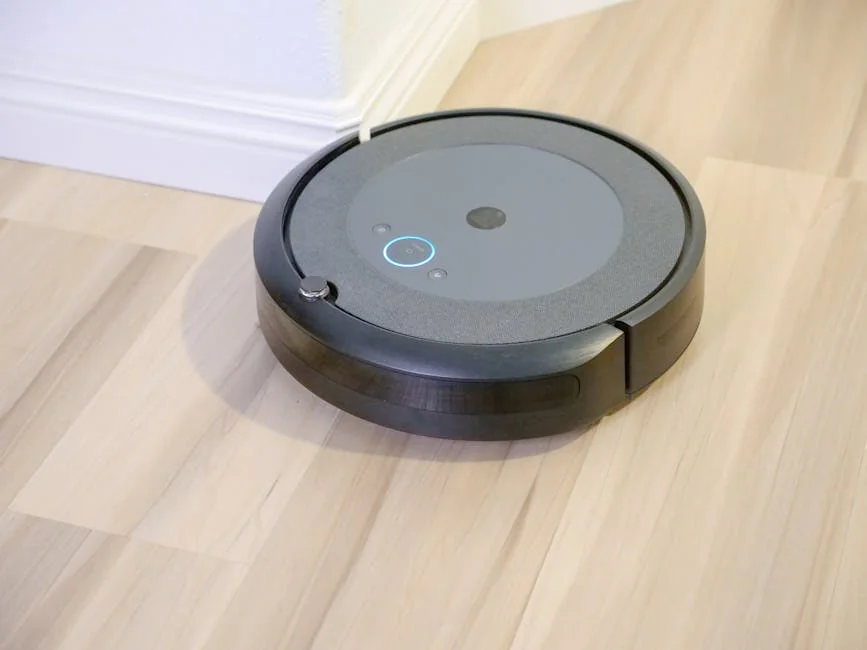
Shopping for the concept becomes much easier when you know which features are truly important. Budget models vary a lot, and the cheapest option is not always the best value.
Gentle Cleaning Components
Look for soft side brushes, non-abrasive wheels, and brush designs intended for hard surfaces. Hardwood can scratch more easily than tile or vinyl, so any vacuum you choose should be designed with floor protection in mind. Rubber brushes or hybrid brush rolls often work well.
Strong Hard-Floor Pickup
On wood floors, the vacuum should collect everything from fine dust to larger crumbs. Suction power alone is not the whole story. A well-sealed dustbin, effective intake design, and edge brushes that guide debris inward all improve performance. The top the approach can handle both everyday dust and messes around kitchens and entryways.
Navigation and Mapping
Basic models move semi-randomly, while more advanced units use gyroscopes, cameras, or lidar. If your home has multiple rooms, furniture, or narrow spaces, better navigation saves time and battery life. It also reduces repeated bumping into table legs and walls.
Battery Life
A small apartment may only need 60 to 90 minutes of runtime, but larger homes need more. Auto-recharge and resume can be useful even in lower-cost models. For buyers seeking it, longer battery life often delivers more practical value than flashy extra features.
App Control and Scheduling
Even budget robot vacuums may offer smartphone control, voice assistant support, and scheduling. These tools let you clean while you are away or set a daily routine to keep dust under control. If you have pets or children, scheduling can make a major difference.
Slim Profile
Hardwood floors often reveal dust under sofas, beds, media consoles, and cabinets. A slim robot can reach places that upright vacuums miss. That means less buildup in overlooked areas and more consistent results throughout the home.
Dustbin Capacity and Filter Quality
A larger dustbin means fewer interruptions, especially if you have shedding pets. Good filtration also helps trap fine dust rather than releasing it back into the air. This is especially helpful in homes with allergies.
Best Types of Budget Robot Vacuums for Wood Surfaces
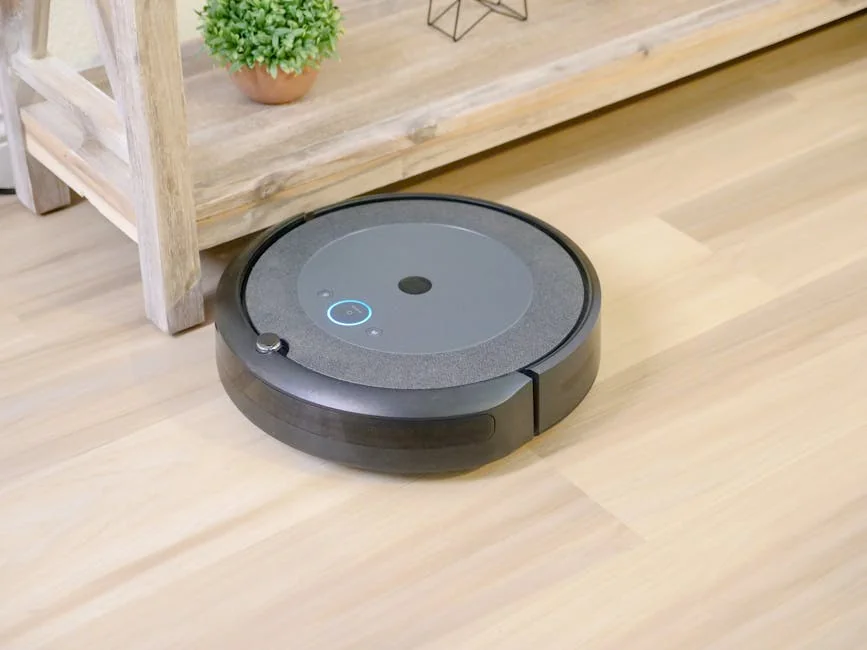
There is no single perfect choice for everyone. The best this depend on your layout, lifestyle, and cleaning priorities. Still, most budget-friendly options fit into a few broad categories.
Entry-Level Random Navigation Models
These are usually the least expensive. They clean by moving in changing directions and bouncing around obstacles. While they can be effective in smaller or simpler spaces, they are less efficient in larger homes. If your goal is basic upkeep and you want the lowest cost, this type may be enough.
Smart Navigation Value Models
These offer a better balance of price and performance. They follow more organized cleaning paths, cover rooms more evenly, and often include app-based controls. Many shoppers find that this category contains the most practical these because it improves efficiency without reaching premium prices.
Vacuum-and-Mop Combos
Combo models can be useful on hardwood if the mopping function is gentle and well-controlled. However, not every combo unit is ideal for real wood. Too much moisture can be risky for some finishes. If you choose a combo model, make sure it has adjustable water levels and clear guidance for sealed hardwood floors.
Pet-Focused Budget Models
Homes with pets need strong pickup and tangle-resistant brush designs. Fur and dander show quickly on dark wood, and litter or tracked debris can collect along edges. Pet-oriented designs often include larger bins and stronger suction, making them smart they for animal owners.
Self-Emptying Budget Options
These are becoming more accessible. While they still cost more than basic models, some lower-priced self-emptying robots now deliver strong value. If daily convenience matters more than absolute lowest price, this type may be worth considering.
How to Choose the Best Model for Your Home
The market for affordable robotic vacuums for hardwood floors can feel crowded, so the smartest approach is to match features to your home rather than chasing every specification.
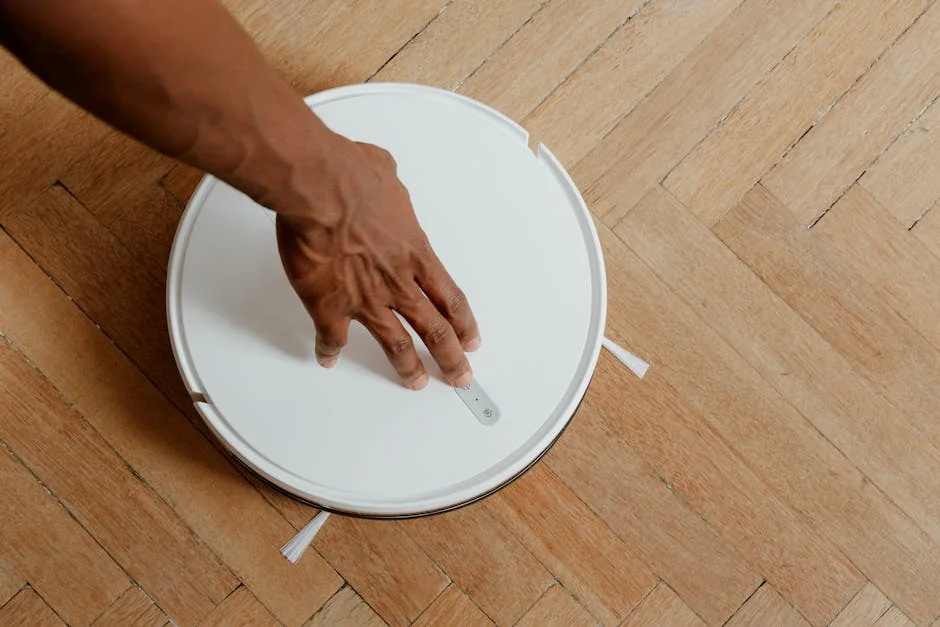
Start with your floor plan. A studio apartment or one-bedroom home may do perfectly well with a basic model. If you have several rooms, hallways, and furniture obstacles, organized navigation is a better investment. Coverage matters more than advertised suction in many real-world situations.
Next, think about debris type. Fine dust, pet hair, and cereal crumbs place different demands on a robot vacuum. If your main issue is dust and hair, almost any decent hard-floor model can help. If you regularly deal with larger debris near dining spaces or entryways, prioritize stronger pickup and better edge cleaning. Many buyers of affordable robotic vacuums for hardwood floors underestimate how important side-brush design can be.
Furniture clearance is another key detail. Measure the gap under your sofa, bed, and cabinets if hidden dust is a major frustration. A robot that is even slightly too tall may miss the areas where hardwood most visibly collects debris.
Noise should also guide your decision. If you work from home, live in a small apartment, or prefer nighttime cleaning schedules, check user reviews for real-world sound levels rather than relying only on brand claims.
Maintenance is often overlooked. Robot vacuums need brushes cleaned, bins emptied, and filters replaced. Simpler machines may actually be easier to maintain than feature-heavy models. The best affordable robotic vacuums for hardwood floors are not just low in upfront price; they are also reasonable to keep running over time.
Finally, consider software support and replacement parts. A budget robot from an unknown brand may look appealing, but if the app is unreliable or parts are impossible to find, long-term value drops quickly. Choosing a well-reviewed brand with available accessories is often the better move.
Tips to Get Better Results on Hardwood Floors
Even the best affordable robotic vacuums for hardwood floors perform better when used correctly. A few simple habits can improve cleaning quality and help protect your floors.
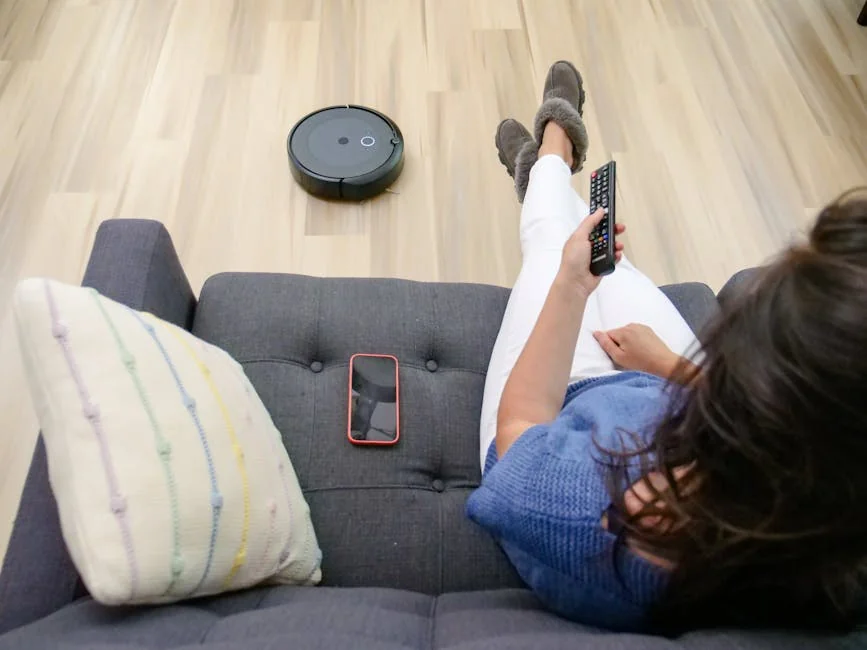
First, prepare the area before running the robot. Pick up cords, lightweight rugs, socks, pet toys, and anything else that could interfere with navigation. Fewer obstacles mean better coverage and less wear on the machine.
Second, run the vacuum frequently. Hardwood floors look cleaner when dust and crumbs are removed before they build up. Daily or every-other-day schedules usually work better than occasional deep cleanings. One reason people love affordable robotic vacuums for hardwood floors is that consistent automatic maintenance keeps surfaces looking polished with minimal effort.
Third, clean the brushes and wheels regularly. Hair wrapped around moving parts can reduce performance and create dragging that is less ideal for delicate surfaces. Side brushes especially need occasional attention to maintain effective edge cleaning.
Fourth, use the right settings. If your robot has separate suction levels or cleaning modes, choose the one designed for hard floors unless extra power is necessary. Stronger is not always better if it causes more noise without meaningful improvement.
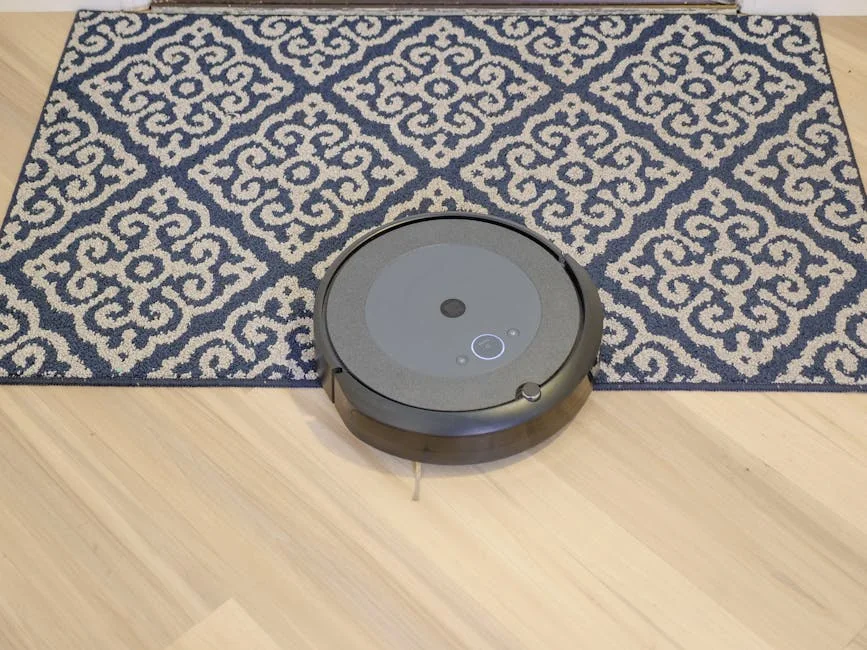
Fifth, protect high-risk areas. If you have antique wood, easily scratched finishes, or loose floor transitions, supervise initial runs. You may need to set boundary zones or block off certain spots. While many affordable robotic vacuums for hardwood floors are safe for sealed wood, every home has unique surfaces and challenges.
Finally, remember that robot vacuums are best for maintenance, not every cleaning task. They can dramatically reduce daily dust and debris, but occasional manual vacuuming and targeted mopping will still help keep hardwood in top condition.
FAQ
Are affordable robotic vacuums for hardwood floors safe for delicate wood surfaces?
Yes, many affordable robotic vacuums for hardwood floors are designed to be safe for sealed wood surfaces, especially models with soft brushes, rubber wheels, and gentle navigation. If your flooring is older, highly polished, or more delicate, test the vacuum in a small area first and keep brushes and wheels clean.
Do affordable robotic vacuums for hardwood floors work well for pet hair?
Many affordable robotic vacuums for hardwood floors work very well for pet hair because hardwood does not trap fur the way carpet does. Look for models with strong suction, anti-tangle brush designs, and larger dustbins if you have multiple pets or heavy shedding.
Can affordable robotic vacuums for hardwood floors replace a regular vacuum?
In many homes, affordable robotic vacuums for hardwood floors can handle most day-to-day cleaning needs, especially for dust, crumbs, and hair. However, they are still best used as maintenance tools. You may still want a traditional vacuum for corners, upholstery, stairs, and occasional deep cleaning.
Are mopping combo robots a good choice for hardwood floors?
Some affordable robotic vacuums for hardwood floors include a mopping feature, and these can be useful on sealed wood when water output is controlled. Be cautious with unsealed or sensitive wood floors, and always follow the flooring manufacturer’s care recommendations before using a wet-cleaning function.
How much should I spend on affordable robotic vacuums for hardwood floors?
The ideal price depends on your home size and needs, but many solid affordable robotic vacuums for hardwood floors are available in the budget to mid-range category. Instead of focusing only on the lowest price, look for reliable navigation, gentle floor contact, easy maintenance, and strong hard-floor pickup.
Conclusion
Choosing among the many affordable robotic vacuums for hardwood floors does not have to be complicated. The best option is usually one that combines gentle floor care, reliable debris pickup, practical navigation, and easy maintenance at a price that makes sense for your home. Whether you live in a small apartment, share space with shedding pets, or simply want to keep wood floors cleaner between deeper cleanings, there are budget-friendly robot vacuums that can deliver real value. Focus on how the machine handles hard surfaces, how well it moves through your layout, and how simple it is to maintain. With the right choice, affordable robotic vacuums for hardwood floors can help you keep your home looking cleaner every day while saving time and effort.