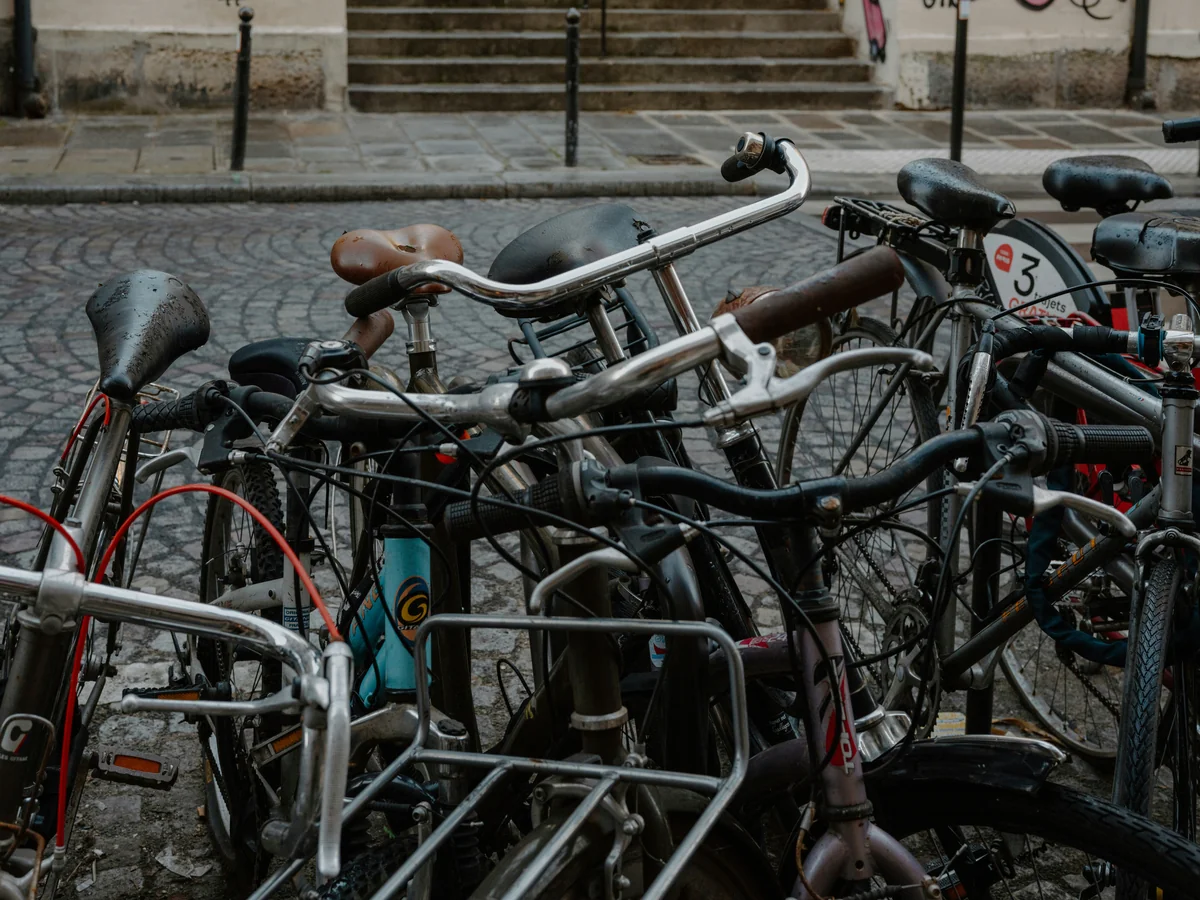
Urban commuting by bike is fast, affordable, and often more enjoyable than sitting in traffic. But city riding comes with one major concern: theft. Choosing among the it can make the difference between confidently parking outside a café and constantly worrying about whether your bike will still be there when you return. A good lock is not just a deterrent; it is part of your daily commuting setup, just like lights, fenders, and a helmet.
Table of Contents
- How to Choose the best bike locks for urban commuting
- 1. Security level
- 2. Lock type
- 3. Portability and weight
- 4. Size and ease of use
- 5. Weather resistance and durability
- Top Types of the best bike locks for urban commuting
- U-locks: best for maximum security-to-weight ratio
- Chain locks: best for flexibility
- Folding locks: best for convenience
- Cable and secondary locks: best as support tools
- Features That Define the best bike locks for urban commuting
- Hardened steel construction
- High-security locking cylinder
- Double-locking mechanisms
- Protective coating
- Mounting bracket or carry solution
- Keyed alike and smart features
- Best Practices for Using the best bike locks for urban commuting
- Lock the frame to an immovable object
- Minimize empty space inside the lock
- Choose well-lit, visible parking spots
- Secure wheels and accessories
- Use two different lock types
- Lock up for the environment
- Register and insure your bike
- Recommended Buying Considerations for the best bike locks for urban commuting
- For budget commuters
- For high-theft cities
- For e-bike riders
- For apartment and mixed-mode commuters
- For riders who make many short stops
- FAQ: best bike locks for urban commuting
- What type of lock is best for city commuting?
- Are chain locks better than U-locks?
- Can I use a cable lock by itself?
- How much should I spend on a commuter bike lock?
- Should I use two locks on my bike?
- Do expensive locks really make a difference?
- Conclusion
In this guide, we will break down what matters most when selecting the this, including lock types, security ratings, portability, and real-world use cases. Whether you ride a budget hybrid, an e-bike, or a high-end commuter, this article will help you find a smart balance of protection, convenience, and value.
How to Choose the best bike locks for urban commuting
Finding the these starts with understanding your own risk level. Not every commuter needs the same setup. If you park for a few minutes in a low-traffic area, a lighter option may work. If you leave your bike for hours near a train station or downtown office, you need stronger protection.
Here are the main factors to consider:
1. Security level
The most important feature of any bike lock is resistance to attack. In urban areas, thieves often use bolt cutters, leverage tools, portable angle grinders, and picking tools. The they usually prioritize hardened steel, anti-rotation shackles, high-security cylinders, and designs that reduce leverage points.
Look for independent security ratings from organizations such as Sold Secure or ART. While no lock is completely theft-proof, rated locks have undergone standardized testing, making them easier to compare.
2. Lock type
Different lock styles serve different commuting needs:
– U-locks/D-locks: Widely considered the gold standard for city use. They offer strong cut resistance and a compact profile.
– Chain locks: Flexible and excellent for awkward parking locations, but often heavier.
– Folding locks: More portable than chains and more flexible than U-locks, though security varies by model.
– Cable locks: Lightweight and convenient, but generally best only as secondary security.
– Frame locks: Popular for quick stops, especially when paired with a plug-in chain.
For many riders, the the concept involve either a premium U-lock or a dual-lock setup that combines a primary lock with a cable or secondary device.
3. Portability and weight
A lock can be extremely secure, but if it is too heavy or awkward to carry, you may stop using it consistently. That defeats the purpose. Commuters often carry locks in frame mounts, panniers, backpacks, or baskets. Think realistically about your daily route and tolerance for extra weight.
4. Size and ease of use
A larger lock can secure more parts of the bike and fit around wider objects, but too much internal space can also create leverage opportunities for thieves. The the approach balance compact security with enough reach to lock the frame and, ideally, one wheel to a solid anchor.
5. Weather resistance and durability
Commuter bikes see rain, dirt, winter road salt, and frequent locking cycles. Look for weather-sealed cylinders, protective coatings to prevent frame scratches, and construction that will hold up over time.
Top Types of the best bike locks for urban commuting
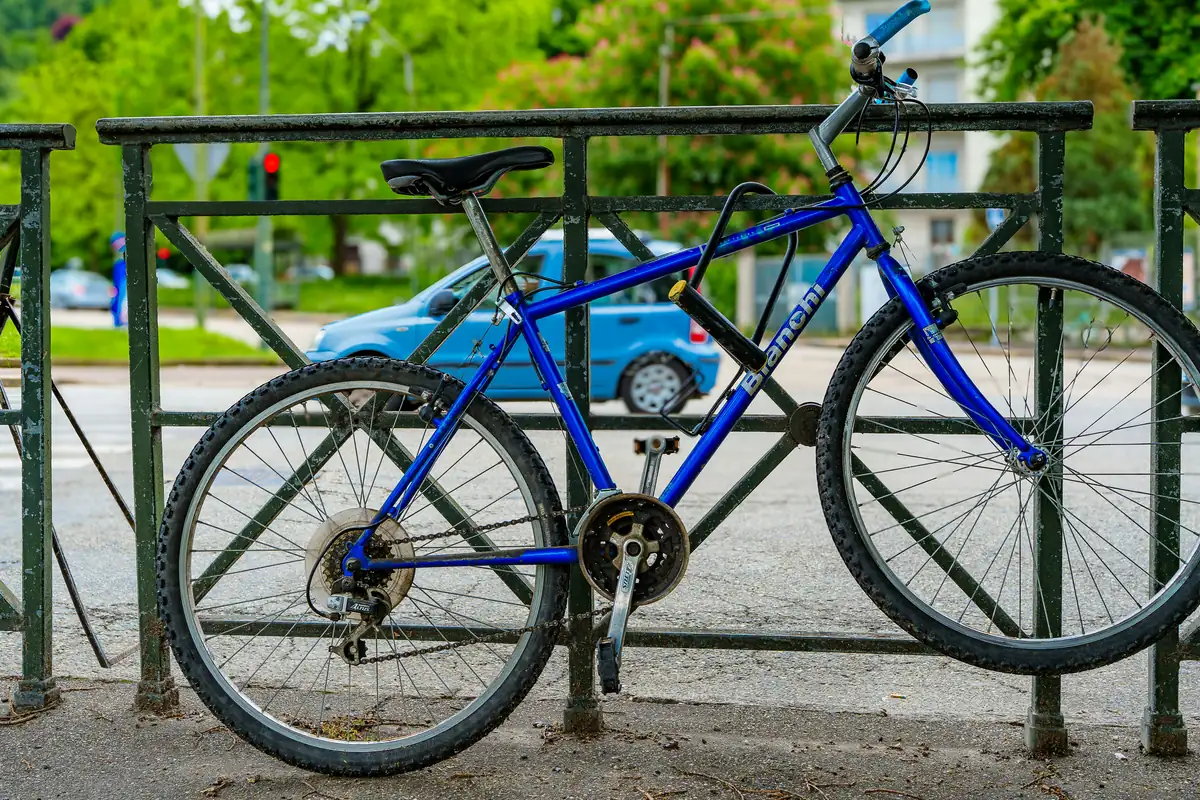
Understanding the strengths and weaknesses of each lock category is essential before buying. The it are not all the same, because commuting conditions vary widely from one city to another.
U-locks: best for maximum security-to-weight ratio
U-locks are often the first recommendation for city cyclists. They are compact, solid, and difficult to defeat with basic hand tools. High-quality models use hardened steel shackles and double-bolt locking mechanisms.
Pros:
– Strong protection against bolt cutters
– Compact and relatively easy to carry
– Excellent choice for high-risk areas
Cons:
– Limited flexibility with large poles or unusual racks
– Can be tricky with bulky frames or fat tires
If you want the this for downtown parking, a premium U-lock is often the smartest starting point.
Chain locks: best for flexibility
Chain locks shine when you need reach and versatility. They can wrap around thick lampposts, larger bike racks, or secure two bikes together. Heavy-duty chains with strong padlocks can be extremely secure, though they are less practical for riders who prioritize low weight.
Pros:
– Flexible around awkward anchors
– Good for larger bikes and e-bikes
– Can secure frame and wheels more easily
Cons:
– Heavy, especially high-security versions
– More cumbersome to transport
Some of the these for cargo bikes and e-bikes are chain-based because of their flexibility and ability to handle oversized frames.
Folding locks: best for convenience
Folding locks have become popular among commuters who want a balance between portability and versatility. They fold into a compact shape and often mount neatly to the frame. However, security quality differs significantly between brands and models.
Pros:
– Easy to transport
– More flexible than U-locks
– Convenient frame mounting
Cons:
– Joint areas can be potential weak points
– Premium models can be expensive
When evaluating the they, folding locks deserve consideration if your priority is a practical everyday carry option.
Cable and secondary locks: best as support tools
Cables should not be your only line of defense in most urban environments. However, they are useful for securing front wheels, saddles, helmets, or accessories when paired with a primary lock.
Pros:
– Lightweight and affordable
– Helpful for securing components
– Easy to carry
Cons:
– Poor standalone security
– Vulnerable to quick cutting
The the concept often include a secondary cable in a layered security strategy, rather than relying on it alone.
Features That Define the best bike locks for urban commuting
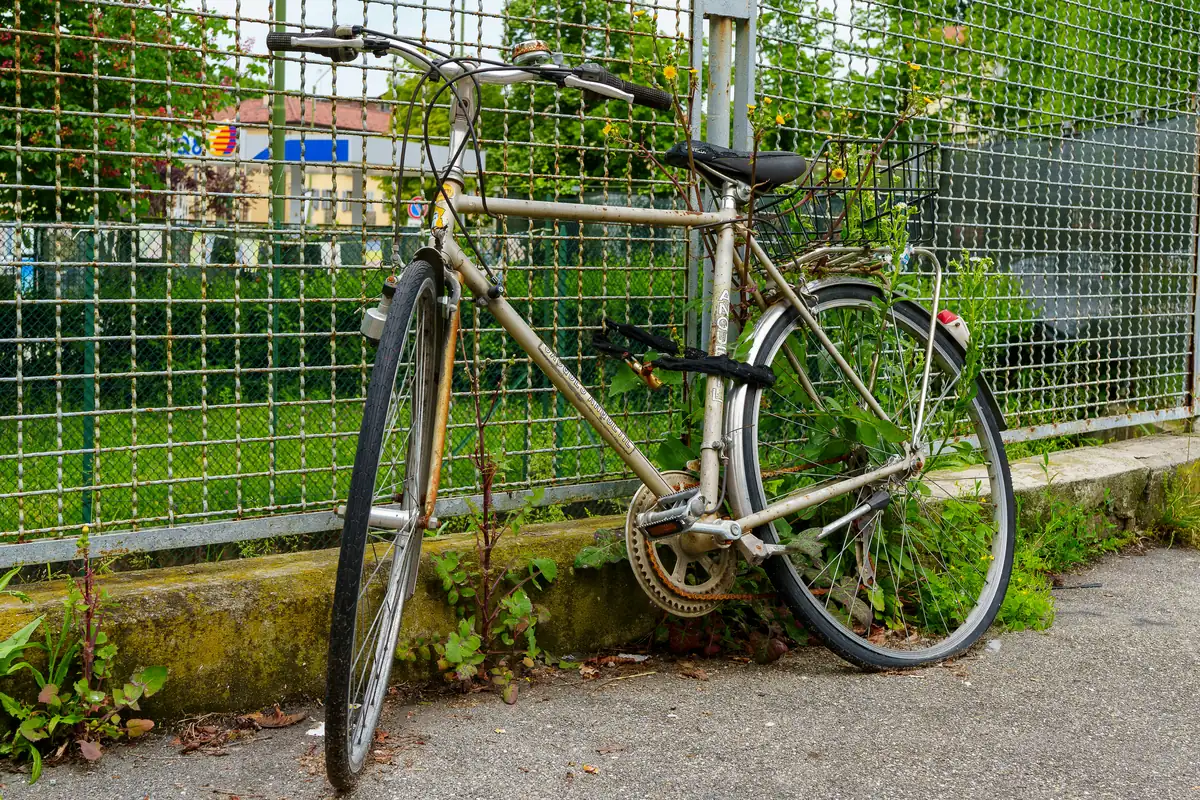
If you compare leading models, certain features repeatedly show up. These are the details that separate average locks from the the approach.
Hardened steel construction
Hardened steel is essential because it resists cutting and sawing better than cheaper materials. Diameter matters too: thicker shackles and chain links are generally harder to cut, though they add weight.
High-security locking cylinder
A quality cylinder helps prevent picking and drilling. Cheap locks may fail not because the steel is weak, but because the locking mechanism is vulnerable. This is one reason premium brands command higher prices.
Double-locking mechanisms
Many high-end U-locks secure both ends of the shackle, which makes twisting and prying attacks more difficult. This is a common trait among the it intended for theft-prone areas.
Protective coating
Rubberized or vinyl coatings reduce frame scratches and make daily use more pleasant. If you lock up several times each day, small usability details matter.
Mounting bracket or carry solution
Commuters benefit from locks that come with stable mounting systems. A rattling, awkward frame mount can quickly become frustrating. Some riders prefer carrying heavy locks in panniers, but a good mount still adds flexibility.
Keyed alike and smart features
Some brands offer multiple locks keyed alike, useful if you use both a primary and secondary lock. A few modern locks also include alarms, Bluetooth functions, or app integration. These can add convenience, but physical strength should always come first.
In practical terms, the this are the ones you can use correctly and consistently every single day.
Best Practices for Using the best bike locks for urban commuting
Even the strongest lock is less effective if used poorly. The these deliver the most value when paired with smart locking habits.
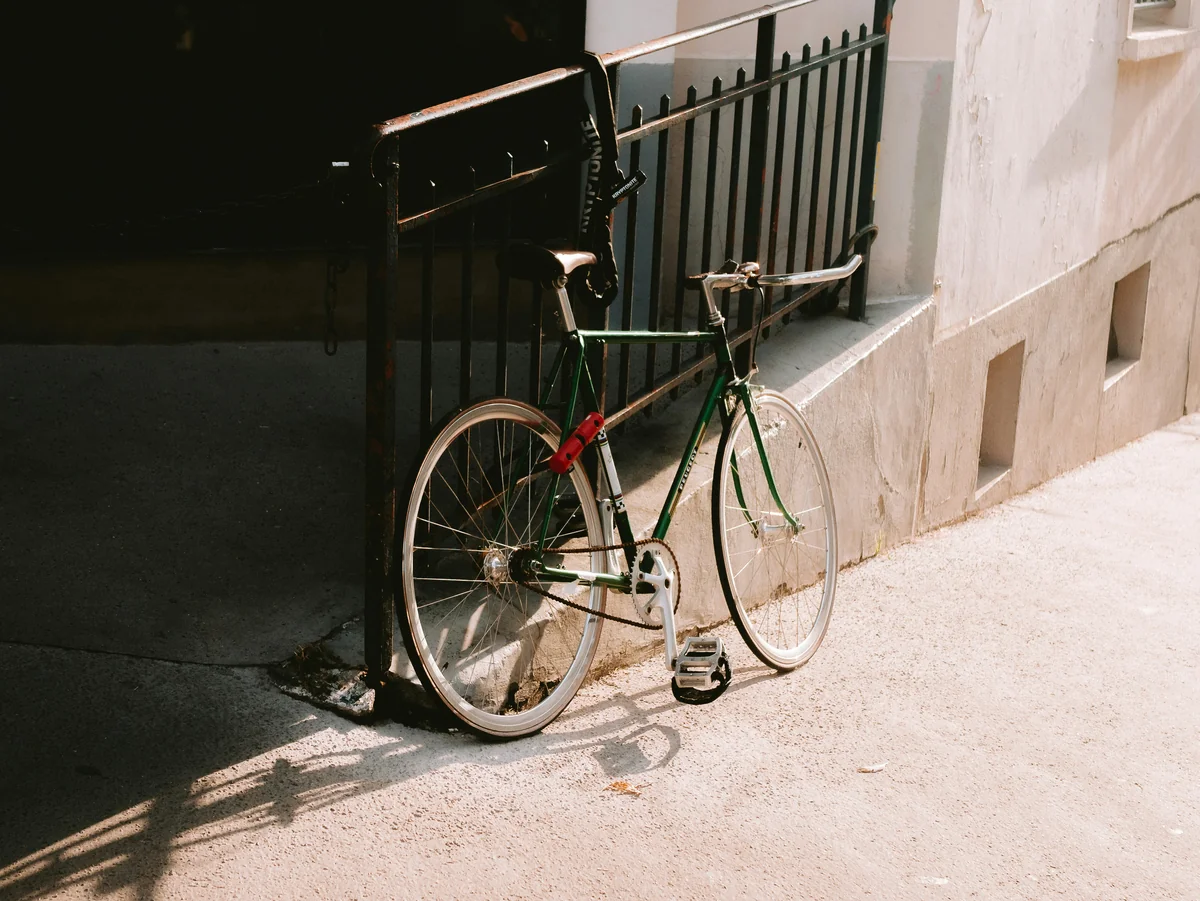
Lock the frame to an immovable object
Always secure the main frame, not just a wheel, to a fixed and sturdy anchor. A lock around only the front wheel can leave the rest of the bike vulnerable.
Minimize empty space inside the lock
Try to position the lock tightly around the frame and bike rack. Less internal space means fewer opportunities for leverage attacks.
Choose well-lit, visible parking spots
Thieves prefer privacy and speed. Park in busy, visible areas near entrances, windows, or surveillance cameras whenever possible.
Secure wheels and accessories
If your wheels are quick-release, use a secondary cable, chain, or locking skewers. Remove lights, computers, and bags when leaving the bike.
Use two different lock types
A layered approach works well because it forces thieves to carry more tools and spend more time. Many experienced commuters consider a U-lock plus cable, or U-lock plus chain, among the they setups.
Lock up for the environment
A five-minute coffee stop is different from an eight-hour workday. Match your locking strategy to the location, duration, and value of your bike.
Register and insure your bike
Even if you use one of the the concept, theft can still happen. Keep your serial number, photos, and proof of purchase. Consider bicycle insurance, especially for e-bikes and premium commuters.
Recommended Buying Considerations for the best bike locks for urban commuting
With so many options available, narrowing your purchase down to the best bike locks for urban commuting can feel overwhelming. A simple buyer framework can help.
For budget commuters
If your bike is inexpensive and you park in moderate-risk areas, a mid-range U-lock from a reputable brand is often enough. Avoid ultra-cheap locks with thin metal or no recognized security rating.
For high-theft cities
In dense urban centers with frequent bike theft, prioritize the strongest U-lock or chain lock you can reasonably carry. Adding a secondary lock is wise. The best bike locks for urban commuting in these cities are usually not the lightest options.
For e-bike riders
E-bikes are heavier, more expensive, and harder to replace, which makes them attractive targets. Look for robust chain locks or larger U-locks that fit around thicker frames and fixed infrastructure.
For apartment and mixed-mode commuters
If you carry your bike upstairs, onto trains, or through office buildings, weight becomes a major concern. A compact U-lock or folding lock may provide the right balance between security and portability.
For riders who make many short stops
Convenience matters if you lock and unlock repeatedly throughout the day. In that case, one of the best bike locks for urban commuting may be the one with the smoothest everyday use, not just the highest theoretical security.
FAQ: best bike locks for urban commuting
What type of lock is best for city commuting?
For most riders, the best bike locks for urban commuting are high-quality U-locks because they offer an excellent balance of security, portability, and ease of use. In higher-risk areas, pairing a U-lock with a secondary cable or chain is even better.

Are chain locks better than U-locks?
The best bike locks for urban commuting depend on your needs. U-locks are usually better for security-to-weight ratio, while chain locks are better for flexibility and larger locking points. E-bike and cargo bike riders often prefer chains.
Can I use a cable lock by itself?
In most cities, no. The best bike locks for urban commuting do not rely on a cable alone for primary security. Cables are best used as secondary protection for wheels or accessories.
How much should I spend on a commuter bike lock?
A good rule is to spend enough that replacing the lock feels far cheaper than replacing the bike. The best bike locks for urban commuting are usually mid-range to premium products, especially if you park outdoors for long periods.
Should I use two locks on my bike?
Yes, especially in high-theft areas. Many cyclists believe the best bike locks for urban commuting involve two different lock types, since that slows thieves down and complicates attacks.
Do expensive locks really make a difference?
Generally, yes. The best bike locks for urban commuting often cost more because they use better steel, stronger cylinders, and more advanced anti-theft designs. While no lock is invincible, premium locks usually provide significantly better real-world protection.
Conclusion
Choosing the best bike locks for urban commuting is really about matching security to your daily routine. The right option depends on where you park, how long you leave your bike unattended, and how much weight you are willing to carry. For most riders, a quality U-lock offers the best mix of strength and practicality. For e-bikes, cargo bikes, and high-risk locations, heavy-duty chains or dual-lock setups may be the smarter investment.
Ultimately, the best bike locks for urban commuting are the ones that fit your bike, your city, and your habits well enough that you use them every single time. Buy the strongest lock you can carry comfortably, learn proper locking technique, and combine good equipment with smart parking choices. That approach gives you the best chance of keeping your bike safe and your commute stress-free.