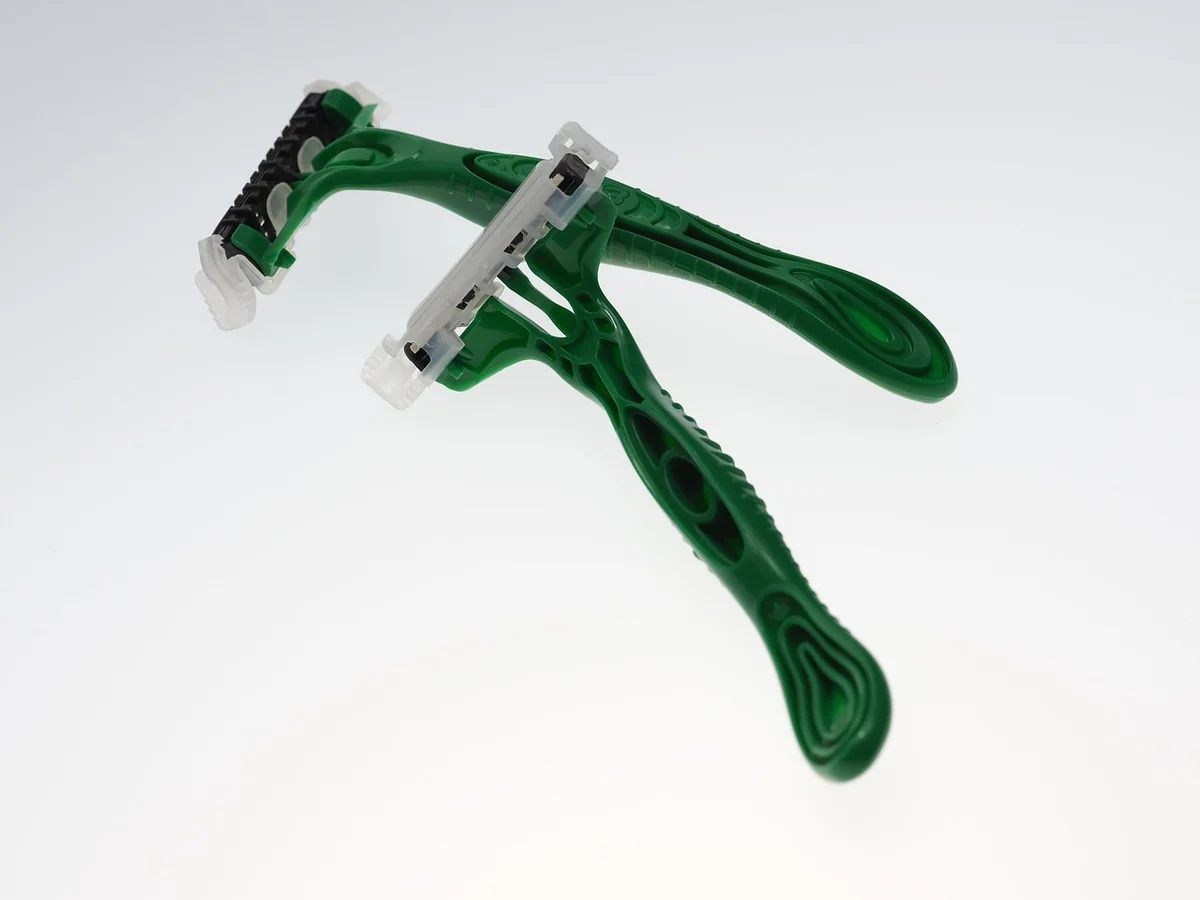
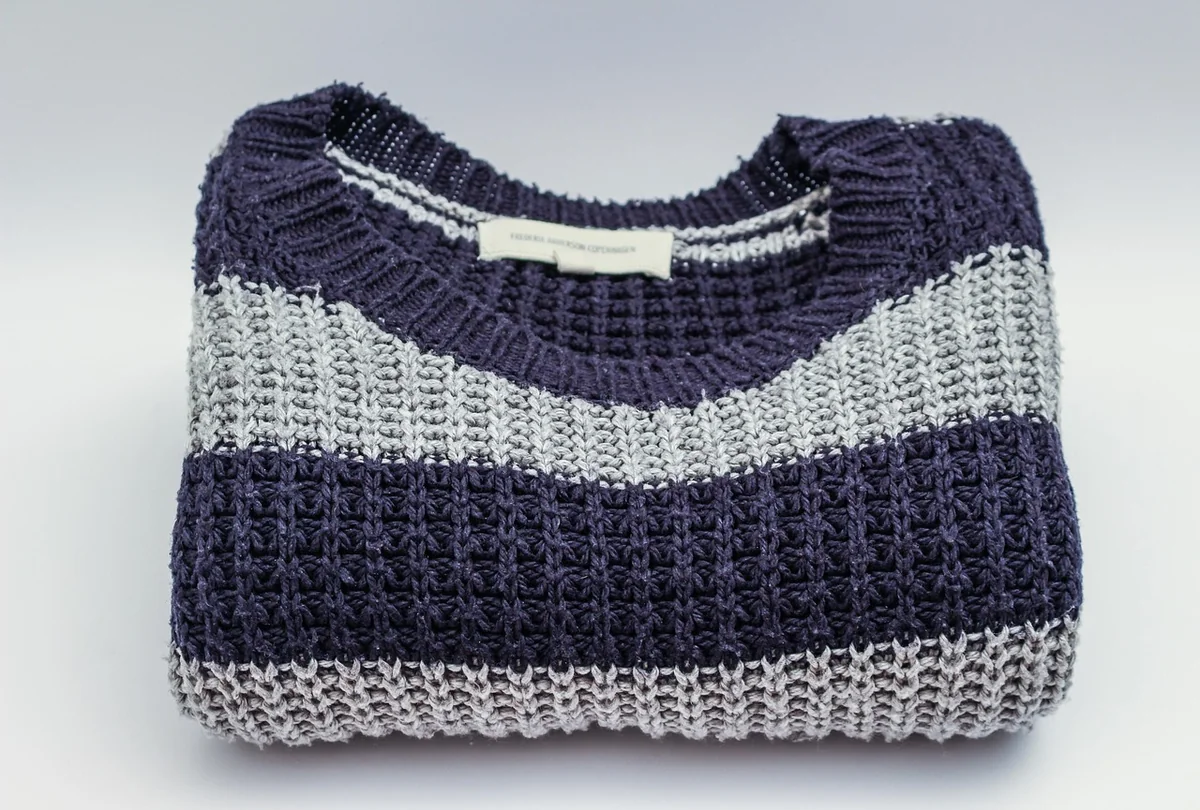
Old sweaters often hold sentimental value, premium materials, and timeless style, but pilling can make them look tired long before they are truly worn out. That is where the this become incredibly useful. A good fabric shaver removes fuzz, pills, and lint without damaging delicate fibers, helping knitwear look cleaner, smoother, and more polished in minutes. Whether you want to restore cashmere, wool, cotton blends, or everyday cardigans, choosing the right tool matters. In this guide, we will explore what makes the it worth buying, which features matter most, how to use them safely, and how to keep your knitwear looking fresh for much longer.
Table of Contents
- Why Fabric Shavers Matter for Sweater Care
- What to Look for in the Best Fabric Shavers
- Blade Quality and Cutting Efficiency
- Adjustable Height Settings
- Power Source
- Lint Container Capacity
- Ergonomics and Ease of Use
- Safety Features
- Noise and Maintenance
- Top Types of Fabric Shavers for Sweater Revival
- Rechargeable Electric Fabric Shavers
- Battery-Powered Fabric Shavers
- Corded Fabric Shavers
- Manual Sweater Combs and Depillers
- How to Use a Fabric Shaver Without Damaging Sweaters
- Start With a Clean, Dry Sweater
- Test a Small Area First
- Use Light Pressure
- Hold the Fabric Taut
- Work in Sections
- Empty the Lint Container Often
- Know When to Stop
- Best Practices for Keeping Sweaters Pill-Free Longer
- Wash Sweaters Carefully
- Skip High Heat
- Store Knitwear Properly
- Reduce Friction During Wear
- Maintain Garments Regularly
- FAQ About Fabric Shavers and Sweater Care
- Do fabric shavers really work on old sweaters?
- Are fabric shavers safe for cashmere and wool?
- How often should I use a fabric shaver on sweaters?
- What is better: a manual sweater comb or an electric fabric shaver?
- Can fabric shavers damage clothing?
- Should I use a fabric shaver before or after washing?
- Conclusion
Why Fabric Shavers Matter for Sweater Care
If you have ever pulled a favorite sweater from the closet and noticed tiny balls of fuzz across the chest, sleeves, or sides, you already know why the these are such a practical investment. Pilling happens when fibers loosen through friction, then tangle into little knots on the surface of the fabric. It is especially common in wool, cashmere, acrylic blends, and frequently worn knitwear.
A quality fabric shaver can quickly restore the appearance of garments that otherwise seem old or neglected. Instead of replacing expensive sweaters, you can refresh them at home for a fraction of the cost. This not only saves money, but also supports a more sustainable wardrobe by extending the life of clothing you already own.
The main benefit of using the they is that they improve the look of garments without requiring professional cleaning or repair. They help sweaters appear neater, smoother, and closer to new. This can be especially valuable if you wear knitwear to work, layer it often, or rotate through seasonal pieces every year.
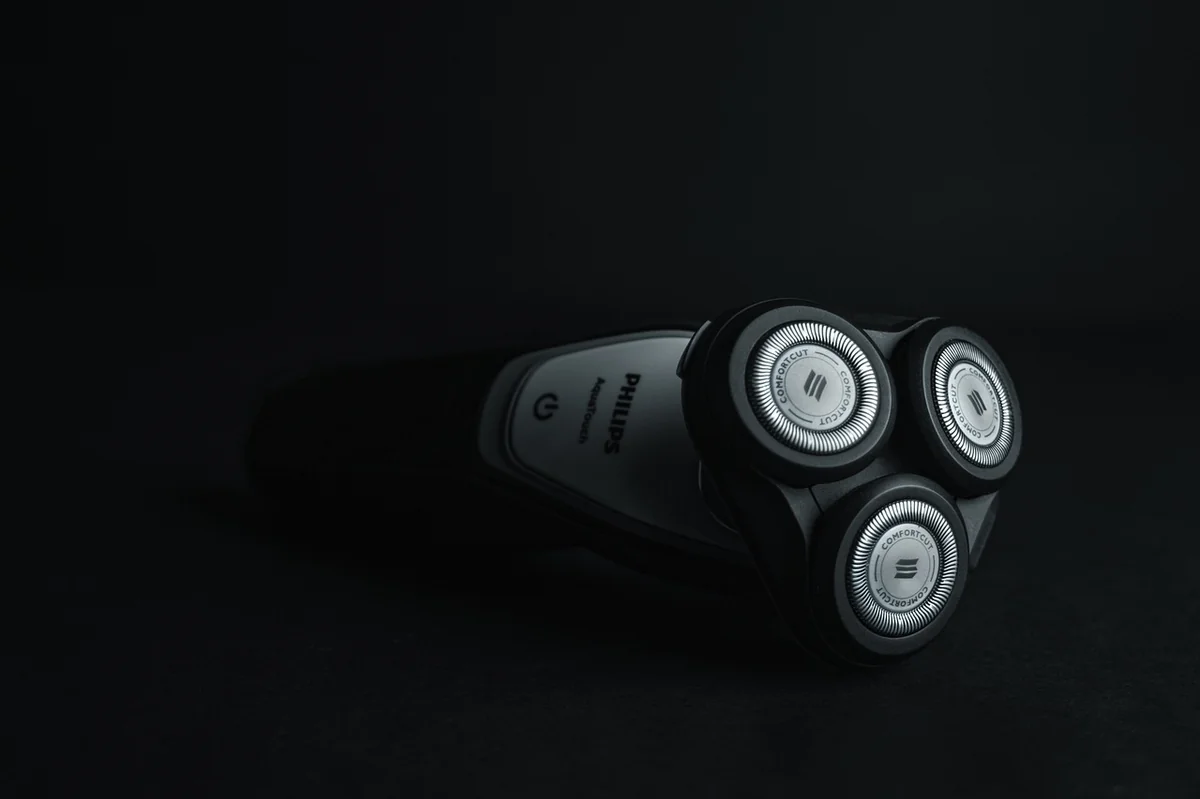
Fabric shavers are also easy to use. Most are handheld and designed to glide across flat fabric surfaces. Their rotating blades trim away pills while a protective guard helps prevent accidental cuts or snags. Some models are battery-powered, while others are rechargeable or corded. The right option depends on how often you plan to use it and what types of garments you need to treat.
When shopping, many people focus only on price, but the most effective tools balance power, safety, comfort, and precision. The the concept should be gentle enough for delicate knits but strong enough to handle dense pilling on thicker fabrics. That balance is what separates a truly useful device from one that just sits in a drawer.
What to Look for in the Best Fabric Shavers
Choosing among the the approach can feel overwhelming because so many devices appear similar at first glance. However, a few key features make a significant difference in performance and garment safety.
Blade Quality and Cutting Efficiency
Sharp, durable blades are essential. A fabric shaver with poor blade quality may skip over pills, require repeated passes, or pull at delicate fibers. Stainless steel blades are often preferred because they stay sharper longer and offer consistent trimming. Efficient cutting reduces the amount of pressure you need to apply, which helps protect sweater fibers.
Adjustable Height Settings
Not all sweaters are made from the same fabric. Fine cashmere and merino wool need more delicate treatment than chunky knits or fleece. Many of the it include adjustable height spacers or guards so you can tailor the shave to the material. This is one of the most useful features if you plan to use one device across different garments.
Power Source
Battery-operated fabric shavers are convenient for travel and occasional use, but rechargeable models are often more cost-effective in the long run. Corded options can provide consistent power for larger jobs, though they are less portable. If you regularly maintain sweaters, coats, scarves, and upholstery, a rechargeable device is usually the most practical choice.
Lint Container Capacity
A small lint container fills quickly, especially when treating heavily pilled sweaters. Larger collection chambers mean fewer interruptions. Transparent containers are also helpful because you can easily see when the device needs to be emptied. The this usually make lint disposal simple and mess-free.
Ergonomics and Ease of Use
A comfortable grip matters more than many shoppers expect. If the device feels awkward in your hand, it can be harder to control on sleeves, shoulders, and curved areas. Lightweight shavers are generally easier to maneuver, especially when working on multiple sweaters in one session.
Safety Features
Protective blade covers, fabric guards, and auto-stop functions can make a big difference. These features help reduce the risk of cutting fabric or injuring your fingers during use and cleaning. This is especially important if you plan to use the shaver on fine knitwear or sentimental pieces.
Noise and Maintenance
Some fabric shavers are surprisingly loud, while others operate more quietly. Maintenance is another factor. Removable blade heads and included cleaning brushes make upkeep much easier. The these should be easy to clean so that performance remains consistent over time.
Top Types of Fabric Shavers for Sweater Revival
When comparing the best fabric shavers for reviving old sweaters, it helps to understand the main categories available. Different types suit different needs, wardrobes, and budgets.
Rechargeable Electric Fabric Shavers
These are the most popular choice for everyday use. Rechargeable models offer portability, decent power, and no ongoing battery cost. They are ideal for people who regularly care for knitwear and want a reliable at-home solution. Many also include multiple speed settings and height guards, making them versatile for both delicate and thicker fabrics.
Rechargeable shavers are often considered among the best fabric shavers for reviving old sweaters because they combine convenience with solid performance. If you own several sweaters and want a tool you will actually use often, this type is hard to beat.
Battery-Powered Fabric Shavers
Battery-operated models are simple and easy to store. They are a good option for occasional use or travel, especially if you need to freshen up garments quickly before wearing them. Their power can vary depending on battery quality, so they may not be the best choice for severe pilling or large batches of clothing.
Still, many people appreciate them for their affordability and portability. For light maintenance, they can be effective and easy to manage.
Corded Fabric Shavers
Corded devices provide uninterrupted power, making them useful for heavy-duty jobs or extended use. If you maintain not only sweaters but also blankets, coats, sofa fabric, or other textiles, a corded model may be worth considering. The tradeoff is reduced mobility and the need to stay near an outlet.
In terms of raw consistency, some corded tools rank with the best fabric shavers for reviving old sweaters because they do not lose power mid-use. They are especially practical for people who prefer performance over portability.
Manual Sweater Combs and Depillers
Not every fabric-reviving tool is electric. Manual sweater combs, pumice-style tools, and depilling brushes can work well on certain materials, especially sturdy wool. They are inexpensive and require no batteries or charging, but they do demand more care and technique. On delicate fibers, manual tools may be riskier than a guarded electric shaver.
They can still be useful in a broader sweater-care kit, especially for spot treatment or travel. However, for most users, electric options remain the easiest path to quick and consistent results.
How to Use a Fabric Shaver Without Damaging Sweaters
Even the best fabric shavers for reviving old sweaters need to be used properly to get safe, polished results. Technique matters just as much as the device itself, especially with delicate knitwear.
Start With a Clean, Dry Sweater
Always work on a freshly washed or fully dry sweater. Damp fabric can stretch, bunch, or react unpredictably under the shaver. Lay the sweater on a flat surface such as a table or ironing board. Smooth it out gently so there are no wrinkles.
Test a Small Area First
Before treating the entire garment, test the fabric shaver on a less visible spot, such as the lower hem or inner side seam. This lets you confirm that the guard setting and blade action are appropriate for the fabric. The best fabric shavers for reviving old sweaters are designed for garment safety, but a test area still helps avoid surprises.
Use Light Pressure
One of the biggest mistakes people make is pressing too hard. Let the shaver do the work. Use light, steady passes over the fabric surface. Excess pressure can stretch the knit or increase the chance of snagging. Move slowly, especially over thinner areas.
Hold the Fabric Taut
Gently holding the sweater flat can improve results. A taut surface allows the shaver to skim pills more evenly. Be careful around seams, buttons, embellishments, and loose threads. These areas deserve extra attention and sometimes should be avoided altogether.
Work in Sections
Treat one area at a time, such as the front panel, each sleeve, and the back. This makes it easier to track progress and avoid over-shaving. The best fabric shavers for reviving old sweaters make quick work of pills, so a little patience often produces a much better finish than rushing.
Empty the Lint Container Often
A full lint compartment can reduce performance. Empty it as needed and check for trapped fuzz around the blade head. Keeping the device clean helps it cut efficiently and glide smoothly.
Know When to Stop
Not every pill needs to be removed in a single session. If the sweater looks refreshed and smooth, stop there. Overworking the fabric can create wear over time. The goal is improvement, not aggressive stripping of the garment surface.
Best Practices for Keeping Sweaters Pill-Free Longer
Buying one of the best fabric shavers for reviving old sweaters is only part of the solution. Preventing excessive pilling in the first place will help your sweaters stay in better condition between maintenance sessions.
Wash Sweaters Carefully
Turn sweaters inside out before washing to reduce surface friction. Use a gentle cycle or hand wash when possible. Mild detergent designed for delicates can also help preserve fibers. Avoid overloading the machine, since rubbing against other garments encourages pilling.
Skip High Heat
Heat can weaken fibers and make garments age faster. Air drying is usually best for knitwear. If you must use a dryer, choose the lowest possible setting and remove items promptly. Excess tumble action is a major cause of sweater fuzz.
Store Knitwear Properly
Folding sweaters rather than hanging them helps maintain shape and reduces unnecessary stretching. Store them in clean, dry spaces away from rough materials that could rub against the fabric. Good storage habits work hand in hand with the best fabric shavers for reviving old sweaters to preserve the appearance of your wardrobe.
Reduce Friction During Wear
Crossbody bags, seat belts, heavy coats, and desk edges can all create repeated friction in the same spots. If your sweaters pill most heavily under the arms or across the torso, your daily habits may be contributing. Small adjustments in how you layer and carry accessories can make a noticeable difference.
Maintain Garments Regularly
Do not wait until a sweater looks heavily worn. Light, occasional maintenance is often safer and more effective than infrequent aggressive shaving. With routine care, the best fabric shavers for reviving old sweaters can keep garments looking presentable season after season.
FAQ About Fabric Shavers and Sweater Care
Do fabric shavers really work on old sweaters?
Yes, the best fabric shavers for reviving old sweaters can dramatically improve the appearance of old knitwear by removing surface pills, fuzz, and lint. They do not repair holes or stretched fabric, but they can make a sweater look cleaner and newer.
Are fabric shavers safe for cashmere and wool?
They can be, as long as you use a gentle setting, light pressure, and test a small area first. Many of the best fabric shavers for reviving old sweaters are designed with guards that help protect delicate fibers, but careful use is still important.
How often should I use a fabric shaver on sweaters?
Use it only when pilling becomes visible enough to affect the sweater’s appearance. In most cases, occasional maintenance is enough. The best fabric shavers for reviving old sweaters work well for touch-ups, but overuse should be avoided to preserve fabric integrity.
What is better: a manual sweater comb or an electric fabric shaver?
For most people, an electric option is easier, faster, and more consistent. Manual combs can work well on sturdy wool, but the best fabric shavers for reviving old sweaters are usually electric because they offer better control and convenience across different materials.
Can fabric shavers damage clothing?
Any tool can damage clothing if used incorrectly. However, the best fabric shavers for reviving old sweaters are made to minimize risk with guards, protective covers, and controlled blade action. Following the manufacturer’s instructions is essential.
Should I use a fabric shaver before or after washing?
It is generally best to use one after washing and drying, when the sweater is clean and fully dry. This helps the best fabric shavers for reviving old sweaters move more evenly across the fabric and remove pills more effectively.
Conclusion
A well-made sweater does not deserve to be discarded just because it looks fuzzy or worn. With the best fabric shavers for reviving old sweaters, you can restore favorite knitwear quickly, affordably, and with surprisingly professional-looking results. The right tool should offer sharp blades, adjustable settings, easy handling, and solid safety features so you can refresh everything from everyday pullovers to delicate wool and cashmere pieces. Just as important, proper washing, storage, and low-friction wear habits will help maintain those results. If you want to extend the life of your wardrobe and make older sweaters look far better, investing in one of the best fabric shavers for reviving old sweaters is a simple upgrade that pays off every season.