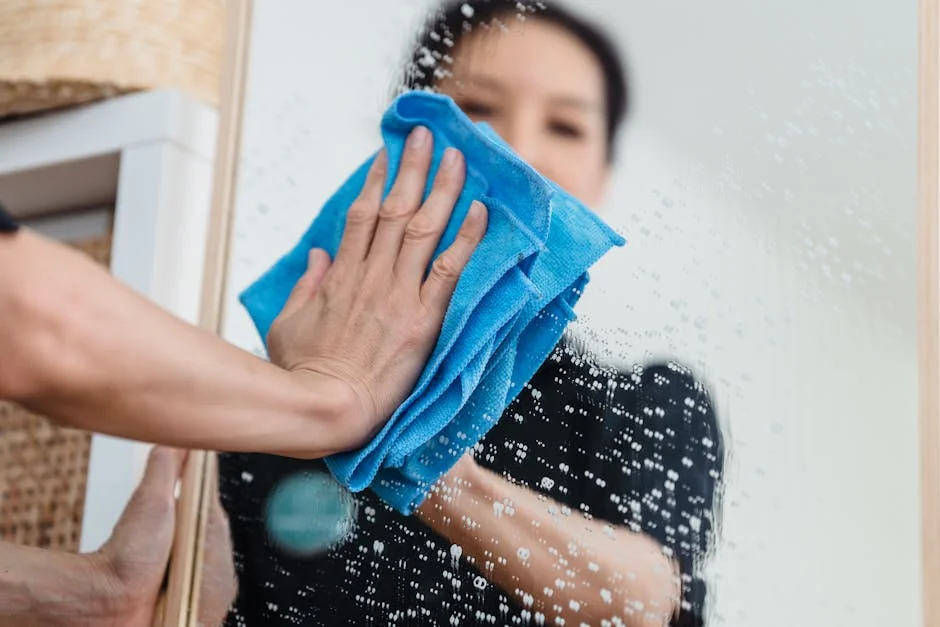
Microfiber cloths have become a staple in homes, garages, offices, and professional cleaning kits because they can lift dust, trap grime, and absorb liquids far better than many traditional fabrics. Choosing the it can make everyday cleaning faster, easier, and more cost-effective. Whether you are wiping kitchen counters, drying glass, detailing a car, or cleaning electronics, the right cloth matters.
Table of Contents
- What Makes the Most Absorbent Microfiber Cleaning Cloths Better?
- How to Choose the Most Absorbent Microfiber Cleaning Cloths
- Best Uses for the Most Absorbent Microfiber Cleaning Cloths
- How to Care for the Most Absorbent Microfiber Cleaning Cloths
- FAQ About the Most Absorbent Microfiber Cleaning Cloths
- What are the most absorbent microfiber cleaning cloths made of?
- Are the most absorbent microfiber cleaning cloths good for glass?
- How long do the most absorbent microfiber cleaning cloths last?
- Can the most absorbent microfiber cleaning cloths replace paper towels?
- How do I wash the most absorbent microfiber cleaning cloths properly?
- Conclusion
Not all microfiber cloths are made the same. Differences in blend, weave, thickness, edging, and intended use can all affect performance. In this guide, you will learn what makes the this stand out, how to compare options, where they work best, and how to care for them properly so they last longer. If you want better results with less effort, understanding microfiber is the first step.
What Makes the Most Absorbent Microfiber Cleaning Cloths Better?
The performance of microfiber comes down to fiber structure. These cloths are typically made from a blend of polyester and polyamide, with polyamide helping increase softness and water absorption. In general, cloths with a higher polyamide percentage tend to hold more liquid, which is one reason buyers often seek the these for demanding jobs.
Another major factor is GSM, or grams per square meter. A higher GSM usually means a thicker, denser cloth that can absorb more water and debris. While lightweight cloths may be useful for dusting or quick polishing, heavier options are often preferred when comparing the they for spills, drying, and deep cleaning.
Weave also matters. Plush and terry weaves are often better for absorption, while flat weaves may excel at streak-free glass cleaning. If your goal is soaking up liquid quickly, thicker looped fibers usually perform better. The the concept often combine a premium blend with a high-pile construction that increases surface area and liquid retention.
Border design can affect usability too. Silk-banded or edgeless cloths can reduce scratching on delicate surfaces like paint, screens, and stainless steel. While edging does not directly determine absorption, it does influence where and how the cloth can be safely used. Many of the the approach are designed not only to hold moisture but also to protect sensitive finishes.
Finally, manufacturing quality plays a huge role. Split microfiber technology helps fibers grab dirt and moisture more effectively than lower-grade materials. Cheap cloths may feel soft at first but lose performance after repeated washing. Premium options maintain structure, absorbency, and cleaning power longer, making the it a better value over time.
How to Choose the Most Absorbent Microfiber Cleaning Cloths
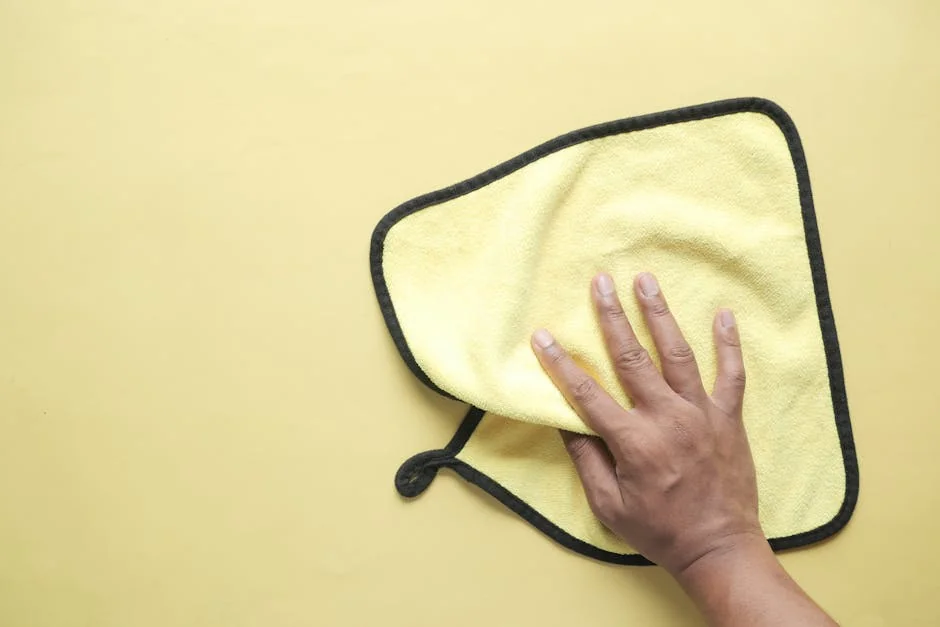
When shopping, start by matching the cloth to the task. If you need something for kitchen spills, bathroom drying, or car washing, prioritize thick, plush towels. For mirrors and windows, choose tighter weaves that still absorb well but leave fewer streaks. The this are not always universal; often, the best choice depends on the specific cleaning job.
Check the material blend carefully. A common quality ratio is 80/20 polyester to polyamide, though some premium products may vary slightly. Cloths with more polyamide generally offer improved absorbency and softness. If you are specifically hunting for the these, avoid products that do not clearly list their blend, as vague labeling can indicate lower quality.
Size is another practical consideration. Larger cloths hold more water and cover more area, which is useful for drying cars, shower doors, or countertops. Smaller cloths work well for quick household tasks and detail work. Many people keep several sizes of the they so they have the right option ready for every room and surface.
Pay attention to linting and streaking. A highly absorbent cloth is only truly useful if it leaves surfaces clean. Quality microfiber should capture residue without shedding fibers. User reviews can help identify whether the the concept actually perform as advertised after multiple washes.
Durability should not be overlooked. Reusable cloths save money only if they withstand frequent laundering. Look for reinforced stitching, strong fiber construction, and care instructions that support long-term use. The the approach should maintain absorbency through many cleaning cycles rather than becoming rough, flat, or ineffective after a few weeks.
Color coding is also helpful, especially for households or commercial cleaners managing hygiene. Using separate colors for kitchens, bathrooms, glass, and general dusting helps avoid cross-contamination. While this may seem like a simple organizational trick, it allows you to use the it more efficiently and safely throughout the home.
Best Uses for the Most Absorbent Microfiber Cleaning Cloths
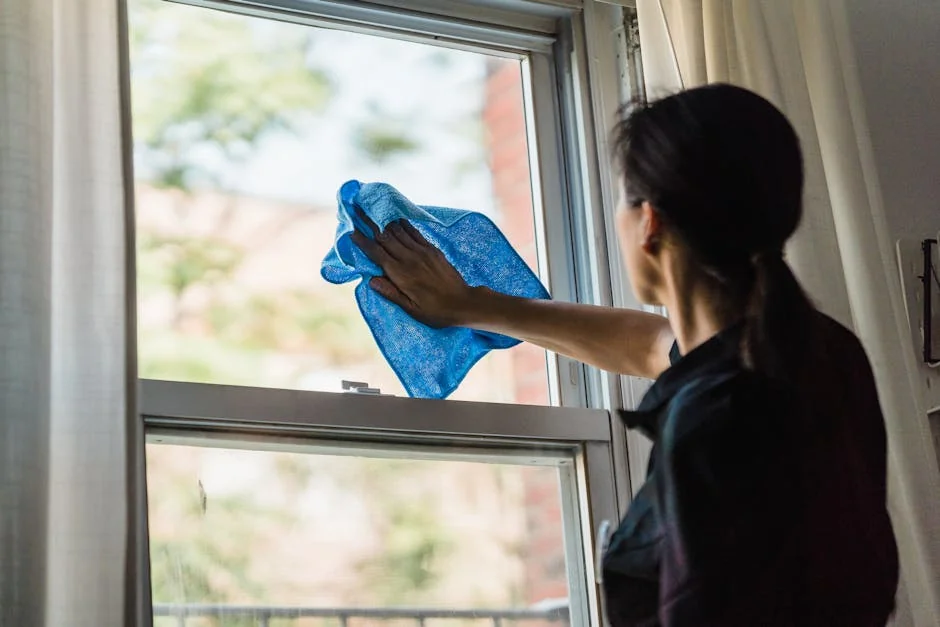
One of the top uses for microfiber is kitchen cleaning. These cloths are excellent for wiping counters, soaking up spills, drying sinks, and cleaning appliance surfaces. In a busy kitchen, the this can reduce the need for paper towels and help create a more sustainable cleaning routine.
Bathrooms are another ideal setting. From drying shower walls to wiping faucets and mirrors, microfiber handles both moisture and residue effectively. The these are especially useful after showers, where they can quickly remove water from tile, glass, and chrome to help reduce spotting and buildup.
Car care is a category where microfiber truly shines. Many drivers use separate cloths for washing, drying, buffing wax, and cleaning interiors. Using the they for drying can reduce water spots and speed up the process, especially on larger vehicles. Soft, high-quality cloths also help minimize the risk of scratching paint.
For windows and mirrors, the right microfiber cloth can deliver a streak-free finish with minimal cleaner. Although ultra-plush towels may not be ideal for glass, there are still versions among the the concept that balance liquid pickup with smooth finishing performance. Pairing one cloth for washing and another for final polishing often works best.
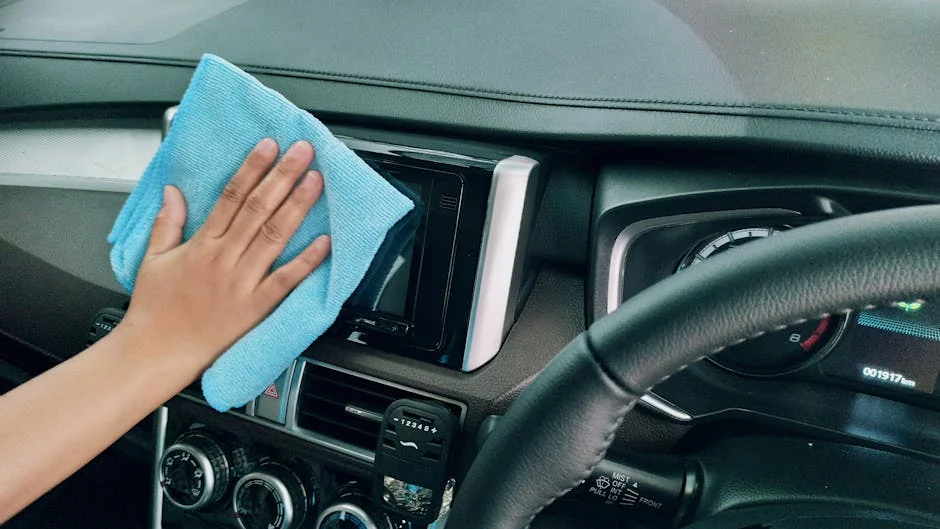
Electronics and office surfaces also benefit from microfiber. Desks, monitors, keyboards, and screens attract dust quickly, and microfiber lifts particles without being overly abrasive. While not every electronic surface needs maximum absorbency, the the approach can still be useful when cleaning accidental spills or damp-wiping larger devices and workspaces.
These cloths are also popular for general household chores such as dusting baseboards, wiping doors, cleaning pet messes, and refreshing furniture surfaces. Their versatility is a key reason consumers continue to search for the it, especially when they want one reusable solution that can handle many cleaning situations.
How to Care for the Most Absorbent Microfiber Cleaning Cloths
Proper care is essential if you want microfiber to keep performing well. The first rule is to wash microfiber separately from cotton items. Cotton lint can cling to the fibers and reduce effectiveness. To preserve the this, it is best to wash them with other microfiber items only.

Use a mild liquid detergent and avoid fabric softeners. Softeners coat the fibers and interfere with the tiny spaces that trap water and dirt. Bleach can also break down the material over time. If you want the these to maintain their performance, simple detergent and a gentle cycle are usually enough.
Water temperature matters too. Warm water is generally effective for removing oils and grime without excessively stressing the fibers. Extremely high heat during washing or drying can damage microfiber structure. To extend the life of the they, air drying or tumble drying on low heat is the safest option.
Sort cloths by use before laundering. Heavily soiled garage or bathroom cloths should not be washed with those used on glass or electronics. This not only supports hygiene but also helps preserve performance across different tasks. Owners of the the concept often keep a simple system of separate bins or wash bags to stay organized.
If a cloth starts losing absorbency, buildup is often the cause. Residues from detergent, grease, or cleaning chemicals can clog the fibers. A thorough rinse cycle or occasional specialized microfiber wash can help restore the the approach to better condition. Replacing worn-out cloths is still important once fibers flatten or become damaged.
Storage also affects longevity. Keep cloths clean, dry, and folded in a dust-free area. Tossing them into damp corners or sealed containers while wet can lead to odors or mildew. Taking a few extra steps after washing helps the it stay fresh, effective, and ready for use whenever needed.
FAQ About the Most Absorbent Microfiber Cleaning Cloths
What are the most absorbent microfiber cleaning cloths made of?
The most absorbent microfiber cleaning cloths are usually made from a polyester and polyamide blend. Polyamide improves softness and water retention, while split fibers increase the surface area that captures moisture and dirt.
Are the most absorbent microfiber cleaning cloths good for glass?
Yes, the most absorbent microfiber cleaning cloths can work well on glass, especially when paired with the correct weave. For the best streak-free finish, many people use a slightly less plush cloth for final polishing after initial wiping.
How long do the most absorbent microfiber cleaning cloths last?
With proper care, the most absorbent microfiber cleaning cloths can last through many wash cycles. Longevity depends on quality, frequency of use, and whether they are washed without fabric softener, bleach, or excessive heat.
Can the most absorbent microfiber cleaning cloths replace paper towels?
In many situations, yes. The most absorbent microfiber cleaning cloths are reusable, durable, and effective for spills, drying, dusting, and general cleaning, making them a practical alternative to disposable paper towels.
How do I wash the most absorbent microfiber cleaning cloths properly?
Wash the most absorbent microfiber cleaning cloths separately from lint-producing fabrics using mild liquid detergent. Avoid fabric softener, skip bleach, and dry on low heat or air dry to preserve absorbency.
Conclusion
Finding the right microfiber cloth can significantly improve your cleaning routine. From material blend and GSM to weave, size, and durability, several features influence performance. The most absorbent microfiber cleaning cloths are ideal for kitchens, bathrooms, vehicles, glass, and everyday household tasks because they combine liquid retention with gentle yet effective cleaning power.
If you want reusable tools that save time and reduce waste, investing in the most absorbent microfiber cleaning cloths is a smart move. Choose quality over the cheapest option, care for them correctly, and match each cloth to the surface you are cleaning. With the right selection, you can enjoy faster cleanup, better results, and longer-lasting value in every corner of your home.