Introduction
Building a smarter home no longer requires a huge budget, technical expertise, or a full renovation. Today, first-time buyers can start with a few affordable devices and gradually create a connected living space that improves convenience, comfort, security, and energy efficiency. If you are searching for the it, the best approach is to focus on products that are easy to install, simple to use, and compatible with popular ecosystems like Alexa, Google Home, or Apple Home.
Table of Contents
- Introduction
- Why Smart Home Devices Are Worth It for First-Time Users
- The Top 10 Devices Every Beginner Should Consider
- 1. Smart Speaker or Smart Display
- 2. Smart Bulbs
- 3. Smart Plugs
- 4. Smart Thermostat
- 5. Video Doorbell
- 6. Indoor Security Camera
- 7. Smart Lock
- 8. Smart Robot Vacuum
- 9. Smart Sensors
- 10. Smart Garage Door Controller
- How to Choose the Right Beginner Smart Home Setup
- 1. Compatibility
- 2. Budget
- 3. Ease of Installation
- 4. Privacy and Security
- 5. Real Usefulness
- Best Ways to Use These Devices Together
- Morning Routine
- Leaving Home Routine
- Night Routine
- Common Mistakes Beginners Should Avoid
- Buying Incompatible Devices
- Overcomplicating the Setup
- Ignoring Wi-Fi Quality
- Focusing Only on Price
- Forgetting Subscription Costs
- FAQ
- What are the top 10 must have smart home devices for beginners?
- Which smart home device should a beginner buy first?
- Are smart home devices difficult to install?
- Do smart home devices save money?
- Do I need a hub for a beginner smart home?
- Conclusion
In this guide to the this, you will learn which devices offer the greatest value, how they work together, and what to consider before buying. Whether you want better security, hands-free control, or lower energy bills, these beginner-friendly options are the perfect place to start.
Why Smart Home Devices Are Worth It for First-Time Users
Choosing the these is not just about buying trendy gadgets. It is about selecting tools that solve everyday problems in practical ways. For beginners, the biggest advantage of smart technology is simplicity. Many devices now work right out of the box with mobile apps, voice assistants, and automated routines that require little setup.
A smart home can make everyday life easier in several ways:
– Convenience: Control lights, plugs, cameras, and thermostats from your phone or with voice commands.
– Security: Monitor your front door, receive alerts, and keep an eye on your property remotely.
– Energy savings: Smart thermostats, plugs, and lighting can help reduce unnecessary energy use.
– Comfort: Adjust room temperature, lighting scenes, and entertainment systems without leaving the couch.
– Scalability: You can begin with one or two devices and expand over time.
When exploring the they, it is important to prioritize compatibility. Before purchasing anything, decide which ecosystem you want to use most often. Amazon Alexa is widely supported and beginner-friendly, Google Home is great for users invested in Google services, and Apple HomeKit appeals to users who want privacy and seamless integration with Apple devices.
Another key factor is ease of installation. Beginners usually benefit from devices that do not require professional wiring or complex hub setups. Wireless and app-controlled products are ideal starting points because they let you experience the benefits of automation quickly.
The Top 10 Devices Every Beginner Should Consider
If you are building your first connected home, this list of the the concept covers the most useful categories. Each device below offers strong value, simple installation, and practical features for everyday living.
1. Smart Speaker or Smart Display
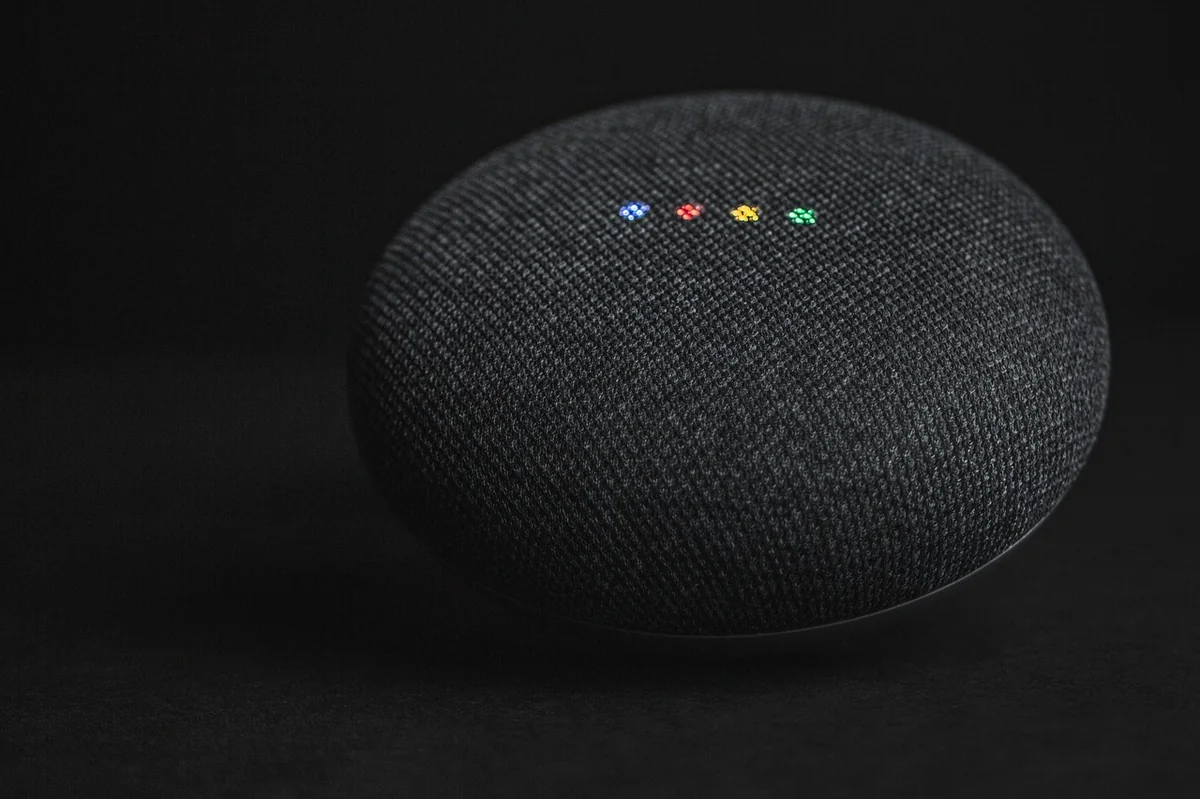
A smart speaker is often the heart of a beginner smart home setup. Devices like the Amazon Echo, Google Nest Audio, or Apple HomePod Mini let you control other smart products with voice commands. A smart display adds a screen for video calls, recipes, calendars, and camera feeds.
Why it matters:
– Central voice control for your home
– Easy setup for routines and automations
– Great for music, reminders, weather, and questions
For many people, the first item on the the approach is a smart speaker because it creates a simple way to interact with all the other devices on this list.
2. Smart Bulbs
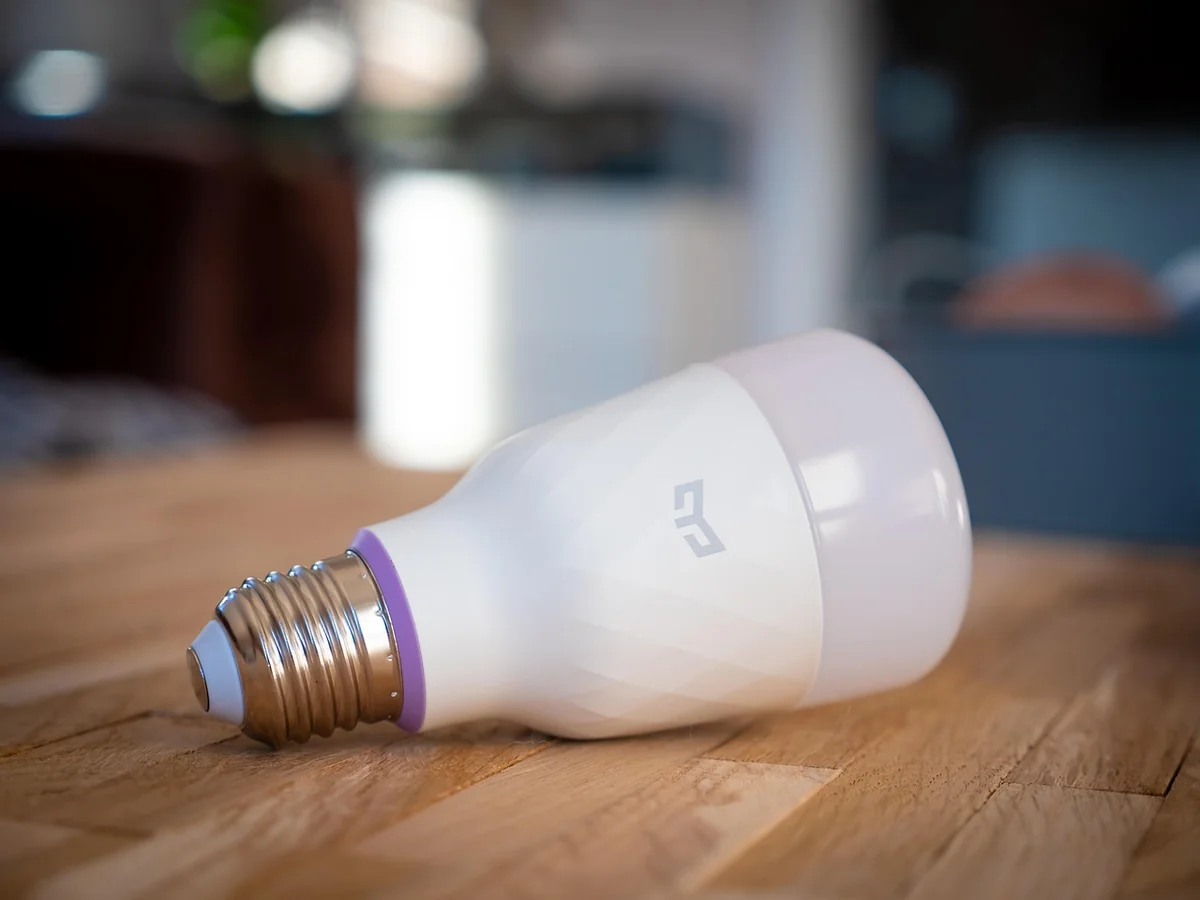
Smart bulbs are one of the easiest and most affordable ways to start. You can control brightness, color temperature, schedules, and sometimes even colors from an app or voice assistant.
Benefits:
– No electrician required
– Set schedules for mornings and evenings
– Save energy by turning lights off remotely
– Create moods for relaxing, working, or entertaining
Smart lighting belongs on any list of the it because it offers instant results with minimal effort.
3. Smart Plugs
Smart plugs transform ordinary appliances into connected devices. Plug in a lamp, coffee maker, fan, or heater, and control it remotely through an app or assistant.
Best uses:
– Turn lamps on and off automatically
– Schedule small appliances
– Monitor energy use in some models
– Add automation without replacing appliances
Among the this, smart plugs are especially useful because they are inexpensive and incredibly versatile.
4. Smart Thermostat
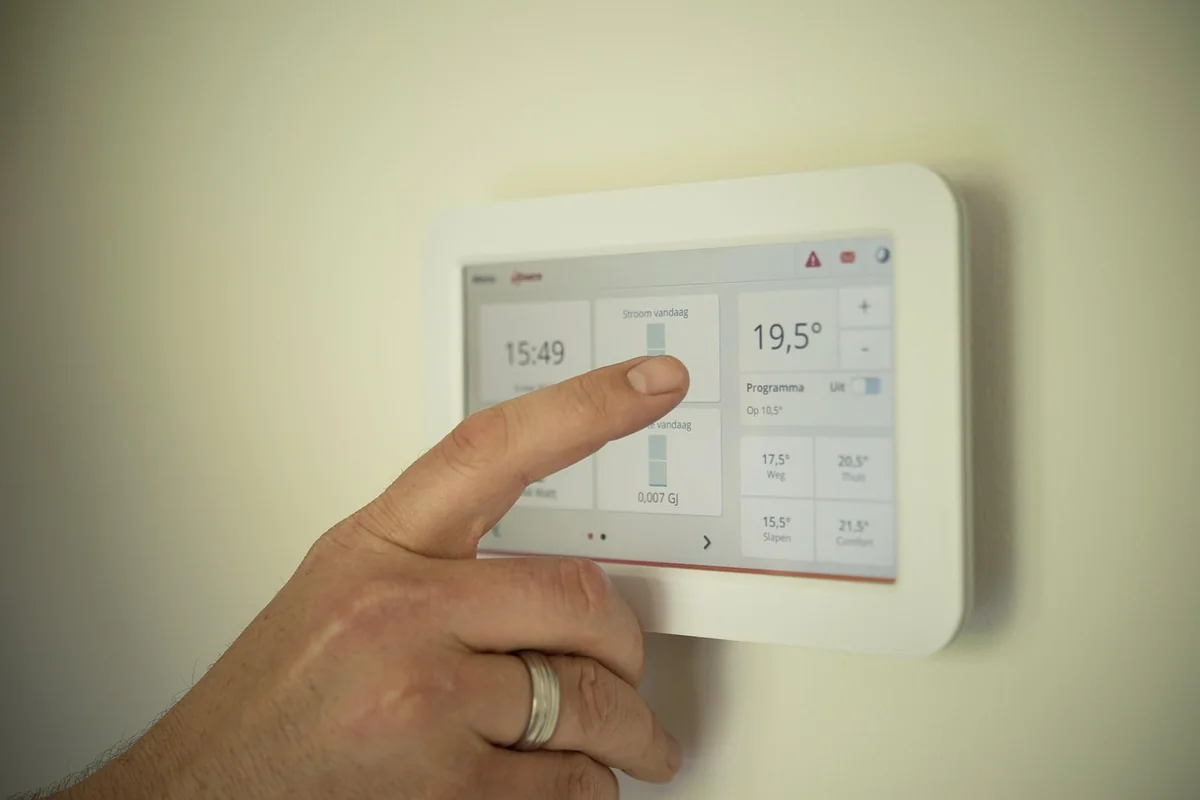
A smart thermostat can help you improve comfort while reducing heating and cooling costs. Many models learn your habits, allow remote control, and create schedules based on when you are home or away.
Key advantages:
– Better temperature control
– Lower energy bills
– Remote access from your smartphone
– Integration with voice assistants and routines
A thermostat is one of the more advanced items in the these, but it can deliver some of the biggest long-term savings.
5. Video Doorbell
A video doorbell adds both convenience and security. It lets you see who is at the door, receive motion alerts, and even talk to visitors when you are not home.
Why beginners love it:
– Improved front-door security
– Real-time notifications
– Package monitoring
– Two-way audio
Security is a major reason people research the they, and a video doorbell is often one of the first protective upgrades they buy.
6. Indoor Security Camera
An indoor security camera helps you keep an eye on children, pets, or your home while you are away. Many beginner models offer motion alerts, night vision, cloud storage, and live streaming.
Common features:
– Mobile notifications
– HD video
– Motion detection
– Two-way audio
– Night vision
When discussing the the concept, indoor cameras stand out because they offer peace of mind without requiring a full security system.
7. Smart Lock
Smart locks let you lock and unlock your door remotely, create temporary access codes, and track who enters your home. Some models also work with fingerprints, keypads, or auto-unlock features.
Benefits for beginners:
– No more hiding spare keys
– Easy guest access
– Better awareness of door activity
– Works well with doorbells and cameras
A smart lock is a practical addition to the the approach, especially for households that want added convenience and security.
8. Smart Robot Vacuum
Robot vacuums are no longer luxury products only for tech enthusiasts. Many beginner-friendly models now map your home, avoid obstacles, and can be scheduled through an app.
Why it is useful:
– Saves time on daily cleaning
– Great for pet hair and dust
– Scheduled cleaning routines
– Voice assistant compatibility
For busy homeowners, the it should absolutely include at least one device that automates chores, and a robot vacuum is a perfect example.
9. Smart Sensors
Smart sensors include motion sensors, door and window sensors, leak detectors, and temperature sensors. These products work quietly in the background and can trigger alerts or automations.
Examples of automation:
– Turn on lights when motion is detected
– Get alerts if a door opens unexpectedly
– Detect water leaks before damage spreads
– Monitor room conditions
The this would not be complete without sensors because they provide the intelligence that makes automation more useful and responsive.
10. Smart Garage Door Controller
If you have a garage, a smart controller can tell you whether the door is open or closed and let you operate it remotely. Some systems send reminders or auto-close the door after a certain time.
Why it helps:
– Prevent accidentally leaving the garage open
– Increase convenience for families
– Add security and access awareness
– Integrates with other smart home routines
This final entry in the these is often overlooked, but it can make everyday home access much more manageable.
How to Choose the Right Beginner Smart Home Setup
With so many options available, selecting the top 10 must have smart home devices for beginners depends on your lifestyle, budget, and priorities. Not every beginner needs all ten devices immediately. The smarter strategy is to start with products that solve your most common daily frustrations.
Here are the main factors to consider:
1. Compatibility
Make sure your devices work with your preferred platform:
– Amazon Alexa
– Google Home
– Apple HomeKit
– Samsung SmartThings
A beginner-friendly setup works best when products can communicate with one another. When comparing the top 10 must have smart home devices for beginners, compatibility should be one of your top filters.
2. Budget
You do not need to buy everything at once. A practical starter bundle might include:
– One smart speaker
– Two smart bulbs
– Two smart plugs
– One indoor camera
This setup delivers a meaningful smart home experience at a relatively low cost. As your confidence grows, you can add more products from the top 10 must have smart home devices for beginners over time.
3. Ease of Installation
For first-time users, plug-and-play devices are the best choice. Smart bulbs, plugs, speakers, and indoor cameras generally require minimal setup. Smart thermostats and locks may need more effort, and some households may prefer professional installation.
4. Privacy and Security
Smart devices collect data, so it is important to buy from reputable brands with strong app security, firmware updates, and clear privacy settings. Change default passwords, enable two-factor authentication, and keep software up to date.
As you invest in the top 10 must have smart home devices for beginners, remember that digital security is just as important as physical security.
5. Real Usefulness
Avoid buying gadgets just because they seem impressive. Ask yourself:
– Will this save me time?
– Will this improve security?
– Will this help reduce energy use?
– Will I use this every week?
The best products on the top 10 must have smart home devices for beginners are the ones that fit naturally into your routine.
Best Ways to Use These Devices Together
The real value of the top 10 must have smart home devices for beginners becomes clear when they work together through routines and automation. Instead of controlling each device separately, you can create scenes that trigger multiple actions at once.

Morning Routine
A simple morning routine could:
– Turn on bedroom lights gradually
– Start the coffee maker via a smart plug
– Adjust the thermostat
– Read weather and traffic from a smart speaker
Leaving Home Routine
When you leave the house, one command can:
– Turn off lights
– Lower the thermostat
– Lock the front door
– Activate cameras
– Close the garage door
Night Routine
At bedtime, your automation could:
– Dim or turn off lights
– Lock doors
– Arm sensors and cameras
– Reduce temperature slightly
– Remind you if the garage is still open
This is why the top 10 must have smart home devices for beginners are so appealing. They do not just function individually; they create a smoother, more responsive home environment when combined effectively.
Common Mistakes Beginners Should Avoid
When buying the top 10 must have smart home devices for beginners, many new users make a few avoidable mistakes. Knowing these in advance can save money, reduce frustration, and help you build a better system.
Buying Incompatible Devices

One of the most common issues is purchasing products that do not work with your main voice assistant or ecosystem. Always check compatibility before ordering.
Overcomplicating the Setup
Beginners sometimes buy too many devices too quickly. Start small. Learn how to use automations, app settings, and routines before expanding.
Ignoring Wi-Fi Quality
Most products in the top 10 must have smart home devices for beginners depend on a stable wireless connection. Weak Wi-Fi can lead to lag, disconnections, and unreliable performance. If needed, upgrade your router or add a mesh system.
Focusing Only on Price
Cheap products may be tempting, but quality matters. Reliable devices from established brands often provide better apps, better support, and longer-term performance.
Forgetting Subscription Costs
Some cameras, doorbells, and cloud-based devices include optional monthly fees for video history or advanced features. Review the total ownership cost before buying.
FAQ
What are the top 10 must have smart home devices for beginners?
The top 10 must have smart home devices for beginners usually include a smart speaker, smart bulbs, smart plugs, smart thermostat, video doorbell, indoor security camera, smart lock, robot vacuum, smart sensors, and a smart garage door controller. These devices are popular because they are practical, beginner-friendly, and easy to expand over time.

Which smart home device should a beginner buy first?
For most people exploring the top 10 must have smart home devices for beginners, a smart speaker or smart bulbs are the best first purchase. They are affordable, simple to install, and provide an immediate introduction to voice control and automation.
Are smart home devices difficult to install?
Most products on the top 10 must have smart home devices for beginners are designed for easy installation. Smart plugs, smart bulbs, speakers, and cameras can often be set up in minutes using a mobile app. Devices like thermostats and smart locks may take more time or require professional help.
Do smart home devices save money?
Yes, some of the top 10 must have smart home devices for beginners can save money over time. Smart thermostats reduce heating and cooling waste, smart bulbs use energy efficiently, and smart plugs help control unnecessary power usage. The exact savings depend on your habits and usage patterns.
Do I need a hub for a beginner smart home?
Not always. Many options in the top 10 must have smart home devices for beginners connect directly to Wi-Fi and work through apps or voice assistants. However, some advanced setups benefit from a hub because it can improve automation speed, device compatibility, and reliability.
Conclusion
Getting started with home automation is easier than ever, and the top 10 must have smart home devices for beginners provide a practical roadmap for building a connected home without feeling overwhelmed. By starting with essentials like a smart speaker, bulbs, plugs, cameras, and a thermostat, you can enjoy more convenience, stronger security, and better energy efficiency from day one.
The best approach to the top 10 must have smart home devices for beginners is to begin with a few high-impact products and expand gradually based on your needs. Focus on compatibility, ease of use, and real-world value. With the right devices in place, your home can become smarter, safer, and more comfortable one step at a time.