Finding the right chair can make a major difference if you spend long hours at a desk and struggle with discomfort. The search for it often starts with style or price, but true relief comes from fit, adjustability, and support. A well-designed ergonomic chair helps maintain spinal alignment, reduces pressure on the lower back, and encourages healthier sitting habits throughout the workday.
Table of Contents
- Why top rated ergonomic office chairs for back pain matter
- Essential features in top rated ergonomic office chairs for back pain
- Adjustable lumbar support
- Seat height and depth adjustment
- Recline and tilt tension
- Adjustable armrests
- Breathable materials and cushioning
- Headrest and upper back support
- Build quality and weight capacity
- How to choose top rated ergonomic office chairs for back pain for your body type
- For shorter users
- For taller users
- For heavier users
- For people with lower back pain
- For people with upper back or neck tension
- For home office users
- For all-day desk workers
- Comparing top rated ergonomic office chairs for back pain by chair type
- Mesh ergonomic chairs
- Cushioned ergonomic chairs
- Kneeling chairs
- Executive ergonomic chairs
- Task chairs
- Big and tall ergonomic chairs
- Buying tips for top rated ergonomic office chairs for back pain on any budget
- Under budget range
- Mid-range options
- Premium models
- Test before buying if possible
- Read warranty and return policies
- Do not ignore your desk setup
- FAQ about top rated ergonomic office chairs for back pain
- What makes top rated ergonomic office chairs for back pain different from regular office chairs?
- Are top rated ergonomic office chairs for back pain worth the investment?
- How long should top rated ergonomic office chairs for back pain last?
- Can top rated ergonomic office chairs for back pain fix chronic back problems?
- Should I choose mesh or cushioned top rated ergonomic office chairs for back pain?
- Do I still need breaks if I use top rated ergonomic office chairs for back pain?
- Conclusion
In this guide, you’ll learn what features matter most, how to compare different chair types, and what to look for before buying. Whether you work from home, manage a corporate office, or simply want better daily comfort, understanding this can help you choose a model that supports both productivity and long-term wellness.
Why top rated ergonomic office chairs for back pain matter
When people think about office upgrades, they often focus on desks, monitors, or lighting. Yet seating has one of the biggest impacts on daily comfort. these are designed to support the natural curve of the spine, reduce muscular strain, and minimize fatigue from prolonged sitting.
Back pain at work can develop for many reasons. Poor posture, weak lumbar support, seat pans that are too deep, or armrests that force your shoulders upward can all contribute to discomfort. Standard office chairs frequently lack the flexibility needed to fit different body shapes. By contrast, they usually include multiple adjustment points that let users customize the chair to their body.
Key benefits include:
– Better lumbar support for the lower back
– Improved posture during long work sessions
– Reduced pressure on hips and thighs
– Enhanced comfort for neck, shoulders, and spine
– Greater focus and productivity due to less pain distraction
Another reason these chairs matter is prevention. Even if your discomfort is mild today, poor sitting mechanics can turn into chronic issues over time. Choosing the concept is not only about comfort now; it is also an investment in your long-term physical health.
Many professionals sit for six to ten hours per day. Over weeks and months, unsupported sitting compresses the lower spine and encourages slouching. A quality ergonomic chair helps distribute body weight more evenly and promotes movement, which is critical for reducing stiffness. That is why the demand for the approach continues to grow among remote workers, corporate employees, gamers, and creatives alike.
Essential features in top rated ergonomic office chairs for back pain
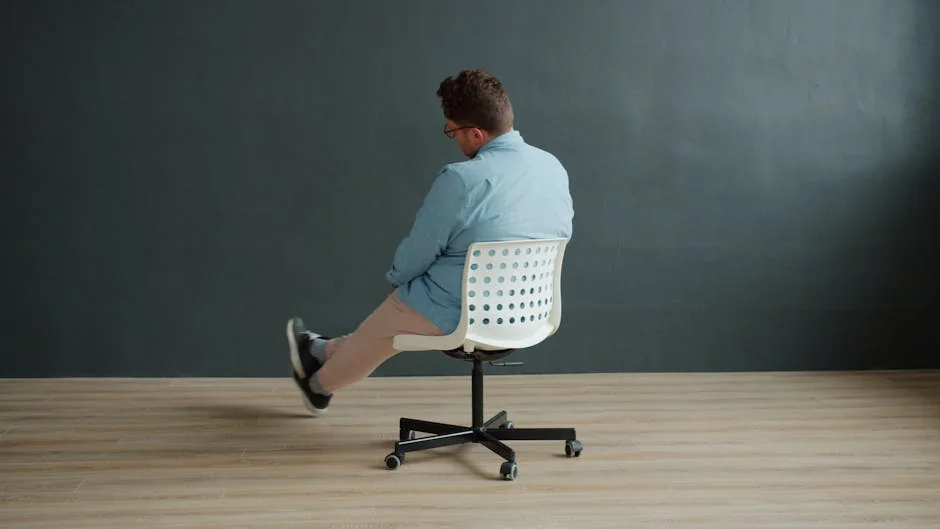
Not all ergonomic chairs are equally supportive. Marketing language can be misleading, so it helps to understand the actual features that make a difference. The best it combine adjustability, durable materials, and body-conscious design.
Adjustable lumbar support
One of the most important features is lumbar support that can be adjusted in height, depth, or firmness. The lower back naturally curves inward, and a chair should support that curve rather than flatten it. Without proper lumbar support, you may end up slouching and placing more stress on spinal discs.
Seat height and depth adjustment
A good ergonomic chair should allow your feet to rest flat on the floor while your knees remain at about a 90-degree angle. Seat depth matters too. If the seat is too long, it presses into the back of your knees. If it is too short, it may not provide enough thigh support. This is why this often offer sliding seat pans.
Recline and tilt tension
Movement is essential for spinal health. Chairs with synchro-tilt or responsive recline mechanisms let your back stay supported while you lean backward slightly. A locked upright posture may sound productive, but dynamic sitting is usually better for reducing pressure and tension.
Adjustable armrests
Armrests should support your elbows without causing your shoulders to hunch. Ideally, they adjust in height, width, and pivot angle. This helps reduce upper back and neck strain, which often accompanies lower back pain.
Breathable materials and cushioning
Mesh backs promote airflow and can feel cooler during long sessions. Cushioned foam seats may provide a softer feel, but density matters. Too-soft foam compresses quickly and can worsen posture over time. The most effective these balance comfort with structural support.
Headrest and upper back support
A headrest is not always necessary, but it can be useful for users who recline often or experience neck tension. Upper back support also helps distribute pressure more evenly across the torso.
Build quality and weight capacity
Durability affects both comfort and value. High-quality frames, strong casters, and reliable adjustment mechanisms ensure the chair maintains its support over time. When comparing they, always check warranty length and material quality.
How to choose top rated ergonomic office chairs for back pain for your body type
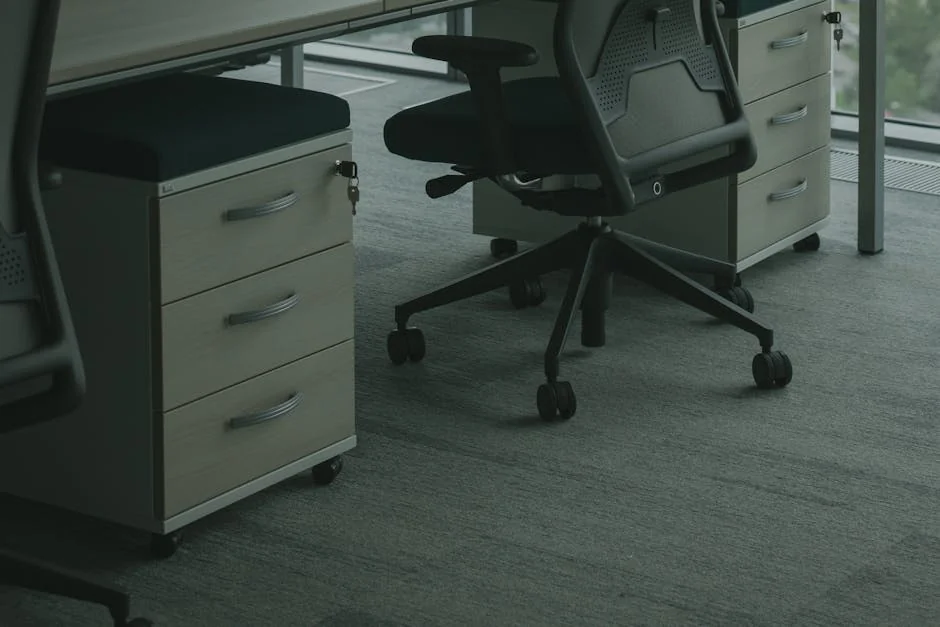
The best chair for one person may not work for another. Body height, weight, proportions, and work habits all influence which model feels right. To choose among the concept, start with personal fit rather than brand popularity alone.
For shorter users
Shorter individuals often struggle with seat depth. A seat pan that is too deep can prevent the back from touching the lumbar support while keeping feet flat on the floor. Look for chairs with a compact frame, adjustable seat depth, and lower minimum seat height.
For taller users
Taller users benefit from higher backrests, taller gas lifts, and deeper seats. If the chair back ends below the shoulders, support may feel incomplete. Many the approach are available in multiple size options, which can make a big difference for taller frames.
For heavier users
Users needing higher weight capacity should focus on reinforced frames, wider seats, and high-density foam. Stability is crucial, especially during long workdays. Check both the official weight limit and the seat width before buying.
For people with lower back pain
If your pain is concentrated in the lumbar region, prioritize chairs with strong adjustable lumbar systems and recline support. A small change in lower back positioning can dramatically affect comfort over a full workday.
For people with upper back or neck tension
Sometimes back pain is linked to arm and shoulder positioning. In these cases, 4D armrests, a supportive upper backrest, and optional headrest support may be particularly helpful. The most effective it address the entire seated posture, not just the lower back.
For home office users
Home offices often require balancing comfort, appearance, and budget. Measure your workspace carefully. A large executive-style ergonomic chair may offer excellent support but overwhelm a small room. Compact ergonomic models can still deliver many of the same health benefits.
For all-day desk workers
If you sit for eight or more hours daily, focus on long-term comfort rather than first impression softness. Chairs that feel plush in a showroom may not perform well during extended use. Many this are engineered for endurance, with firmer support that holds posture more effectively.
Comparing top rated ergonomic office chairs for back pain by chair type
Understanding chair categories can help narrow your options. Different designs suit different needs, budgets, and pain patterns. When evaluating these, consider these common types.

Mesh ergonomic chairs
Mesh chairs are popular because they are breathable and often lightweight. The backrest typically flexes with movement, which can feel supportive and cool during long hours. High-quality mesh chairs can offer excellent lumbar support, but low-quality mesh may sag over time.
Best for:
– Warm environments
– Long daily use
– Users who prefer firmer back support
Cushioned ergonomic chairs
These chairs use padded foam in the seat and backrest. They can feel softer and more traditional than mesh models. Premium versions combine structured support with pressure relief, while cheaper versions may flatten quickly.
Best for:
– Users who prefer plush seating
– Cooler workspaces
– Executive-style office setups
Kneeling chairs
Kneeling chairs open the hip angle and may encourage a more upright posture. However, they are not ideal for everyone and usually lack the full back support found in standard ergonomic chairs. They can work as a secondary seating option but may not replace they for all-day use.
Best for:
– Short-duration posture variation
– Users who like active sitting
– Supplemental seating rather than primary seating
Executive ergonomic chairs
Executive chairs often feature larger frames, padded headrests, and a more premium appearance. Some offer strong ergonomic performance, while others prioritize style over support. Always verify adjustment range and lumbar design instead of assuming every executive chair is ergonomic.
Best for:
– Professional office aesthetics
– Larger users
– People who want a high-back design
Task chairs
Task chairs are usually more compact and practical. Many of the best the concept fall into this category because they focus on efficient support, mobility, and adjustability rather than oversized design.
Best for:
– Home offices
– Shared workstations
– Users who want flexible, minimal designs
Big and tall ergonomic chairs
These models are made with stronger components, wider dimensions, and higher weight capacities. They can be excellent for users who need more room and sturdier support.
Best for:
– Larger body types
– Long hours of seated work
– Users seeking reinforced construction
Buying tips for top rated ergonomic office chairs for back pain on any budget
Budget matters, but value matters more. Some chairs are expensive because of premium engineering and warranties, while others are overpriced due to branding. To shop wisely for the approach, focus on cost versus support, adjustability, and longevity.

Under budget range
In lower price ranges, prioritize the essentials:
– Adjustable seat height
– Built-in lumbar support
– Breathable backrest
– Stable five-point base
– Basic recline function
You may not get premium materials or advanced armrest adjustments, but a well-designed budget chair can still be far better than a non-ergonomic alternative.
Mid-range options
Mid-range chairs often provide the best balance of performance and affordability. At this level, you are more likely to find:
– Adjustable lumbar depth or height
– Better seat cushioning
– Improved tilt mechanisms
– 3D or 4D armrests
– Stronger warranties
For many professionals, this category includes the most practical it because it delivers real ergonomic benefits without luxury-level pricing.
Premium models
Premium ergonomic chairs are built for long-term use and intensive sitting schedules. They often feature advanced engineering, exceptional warranties, and highly precise adjustments. While the upfront investment is higher, the cost may be worthwhile if you spend most of your day seated or have ongoing back issues.
Test before buying if possible
Even highly reviewed chairs will not fit every body. If possible, try a chair in person. Sit in it for at least ten to fifteen minutes and adjust the seat height, recline, lumbar support, and armrests. A chair that initially feels unusual may actually provide better long-term support than one that feels soft right away.
Read warranty and return policies
When shopping online, check return windows and assembly requirements. The best this typically come with clear warranty coverage for the frame, casters, and mechanisms.
Do not ignore your desk setup
Even the best chair cannot compensate for a poor workstation. For real relief, pair your chair with:
– A desk at proper elbow height
– A monitor at eye level
– A keyboard positioned to keep wrists neutral
– Regular standing and stretching breaks
Back pain reduction works best when your full workspace supports healthy posture.
FAQ about top rated ergonomic office chairs for back pain
What makes top rated ergonomic office chairs for back pain different from regular office chairs?
these usually offer more adjustability, better lumbar support, and design features that align with the spine. Regular office chairs may look comfortable, but they often lack the customization needed to support different body types during long sitting sessions.

Are top rated ergonomic office chairs for back pain worth the investment?
Yes, especially if you sit for many hours each day. they can help reduce discomfort, improve posture, and support long-term spinal health. For many people, the increase in comfort and productivity justifies the cost.
How long should top rated ergonomic office chairs for back pain last?
A quality ergonomic chair can last anywhere from five to twelve years or more, depending on build quality and frequency of use. Premium the concept often include long warranties and more durable materials.
Can top rated ergonomic office chairs for back pain fix chronic back problems?
These chairs can help reduce strain and support healthier sitting posture, but they are not a cure for medical conditions. If you have persistent or severe pain, consult a healthcare professional. Still, top rated ergonomic office chairs for back pain can be an important part of a broader comfort and recovery plan.
Should I choose mesh or cushioned top rated ergonomic office chairs for back pain?
It depends on your preference and work environment. Mesh chairs are cooler and often feel firmer, while cushioned chairs may feel softer and more traditional. Both can be excellent top rated ergonomic office chairs for back pain if they provide proper support and adjustments.
Do I still need breaks if I use top rated ergonomic office chairs for back pain?
Absolutely. Even the best chair cannot replace movement. Stand, stretch, and walk briefly every 30 to 60 minutes. Top rated ergonomic office chairs for back pain support your body better, but movement remains essential for circulation and spinal health.
Conclusion
Choosing the right chair is one of the smartest upgrades you can make for your comfort, health, and productivity. The best top rated ergonomic office chairs for back pain are not simply stylish office accessories; they are tools designed to support posture, reduce strain, and make long hours at a desk more sustainable.
As you compare options, focus on fit, lumbar support, seat depth, recline quality, and armrest adjustability. Think about your body type, your workspace, and how long you sit each day. The most effective top rated ergonomic office chairs for back pain will match your individual needs rather than just follow trends or reviews.
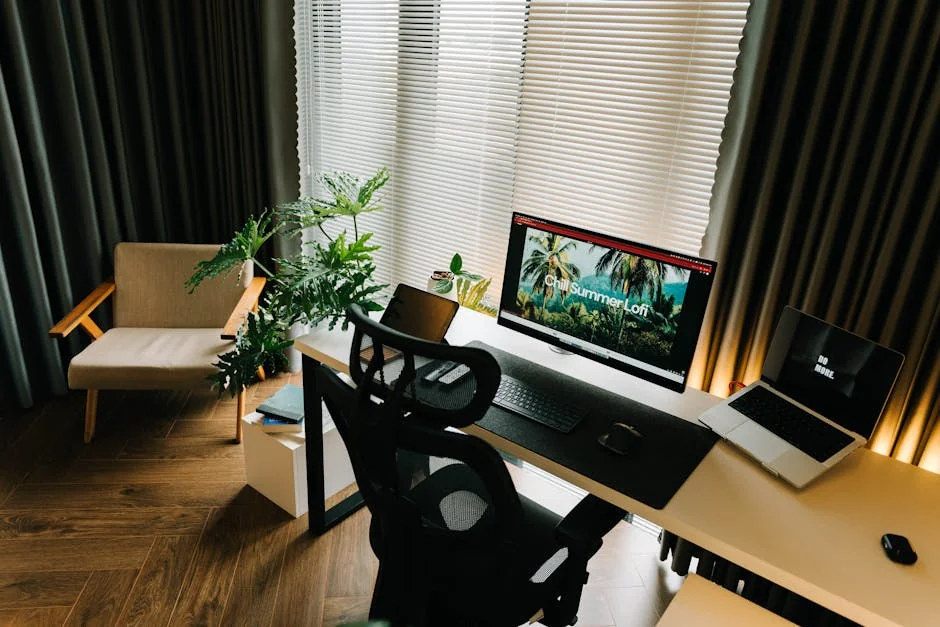
With the right choice and a well-arranged workstation, you can create a more supportive work environment that helps protect your back for years to come.