Bath towels do a lot more work than most people realize. They face daily moisture, frequent washing, repeated drying, and constant friction against skin and bathroom surfaces. That is why choosing the this matters more than picking the softest towel on the shelf for the first week. A great towel should stay absorbent, keep its shape, resist fraying, and continue feeling comfortable after months or even years of use. In this guide, you will learn what makes a towel truly long-lasting, which materials and construction details matter most, how to compare towel weights and weave styles, and how to care for your towels so they last longer. If you want it, this article will help you shop smarter and avoid common mistakes.
Table of Contents
- What Makes the Most Durable Bath Towels for Everyday Use?
- Best Materials and Construction Features to Look For
- Cotton
- Turkish Cotton
- Supima Cotton
- Egyptian Cotton
- Bamboo Blends
- GSM and Towel Weight
- Construction Details That Matter
- How to Choose the Right Towel for Your Home
- Care Tips to Make Towels Last Longer
- Top Buying Tips and Common Mistakes to Avoid
- FAQ About the Most Durable Bath Towels for Everyday Use
- What material is best for the most durable bath towels for everyday use?
- What GSM is ideal for the most durable bath towels for everyday use?
- How often should I wash the most durable bath towels for everyday use?
- Do thicker towels last longer?
- How do I keep towels absorbent over time?
- Are white towels more durable than colored towels?
- Conclusion
What Makes the Most Durable Bath Towels for Everyday Use?
When people shop for towels, softness often gets all the attention. But softness alone does not tell you whether a towel will survive heavy use. The these are built with strong fibers, reliable stitching, and a construction style that balances plush comfort with structural integrity.
The first thing to consider is fiber quality. Long-staple cotton and extra-long-staple cotton are widely respected because longer fibers create smoother, stronger yarns. These yarns pill less, shed less, and hold together better over time. Turkish cotton and Supima cotton are both common examples of cotton known for durability and comfort. Egyptian cotton is also popular, though quality can vary depending on sourcing and labeling accuracy.
Another factor is yarn construction. Towels made with tightly spun yarn tend to be more resilient than those with overly loose loops. While fluffy, airy towels may feel luxurious in a store, some lose density quickly after repeated washing. Durable options typically maintain their loop structure and thickness instead of flattening too fast.
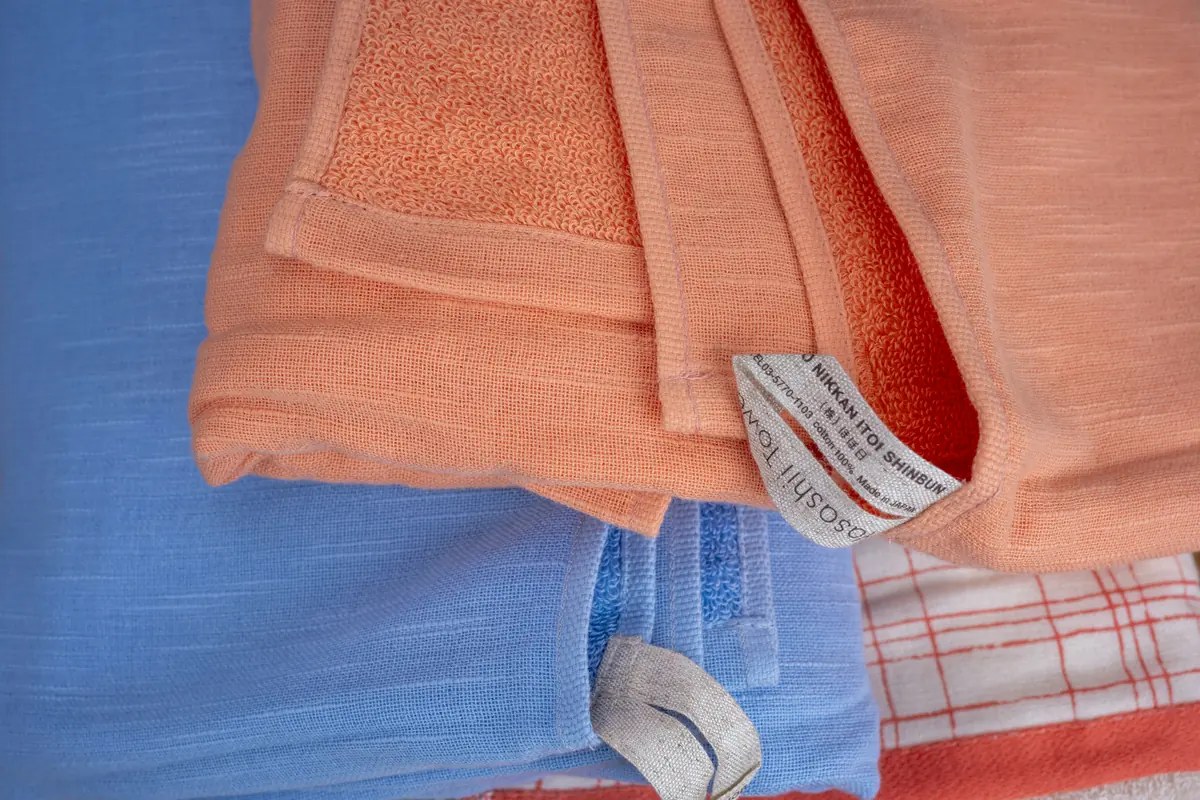
Edge finishing matters too. Double-stitched hems help prevent unraveling, one of the most common signs of towel wear. If the border looks thin, uneven, or poorly sewn, the towel may not hold up well under daily use. Dense, uniform loops and reinforced edges are signs you may be looking at the they.
Absorbency should also be balanced with dry time. A towel that stays wet for too long can develop odors, mildew issues, and fiber stress from over-washing. The best everyday towel absorbs efficiently but still dries within a reasonable time after use. That combination supports both performance and longevity.
Finally, durability is connected to realistic use. A family bathroom towel will need different characteristics than a guest towel. If you need performance, low maintenance, and long-term value, the the concept will usually be medium to heavy weight, made from high-quality cotton, and finished with reinforced stitching.
Best Materials and Construction Features to Look For
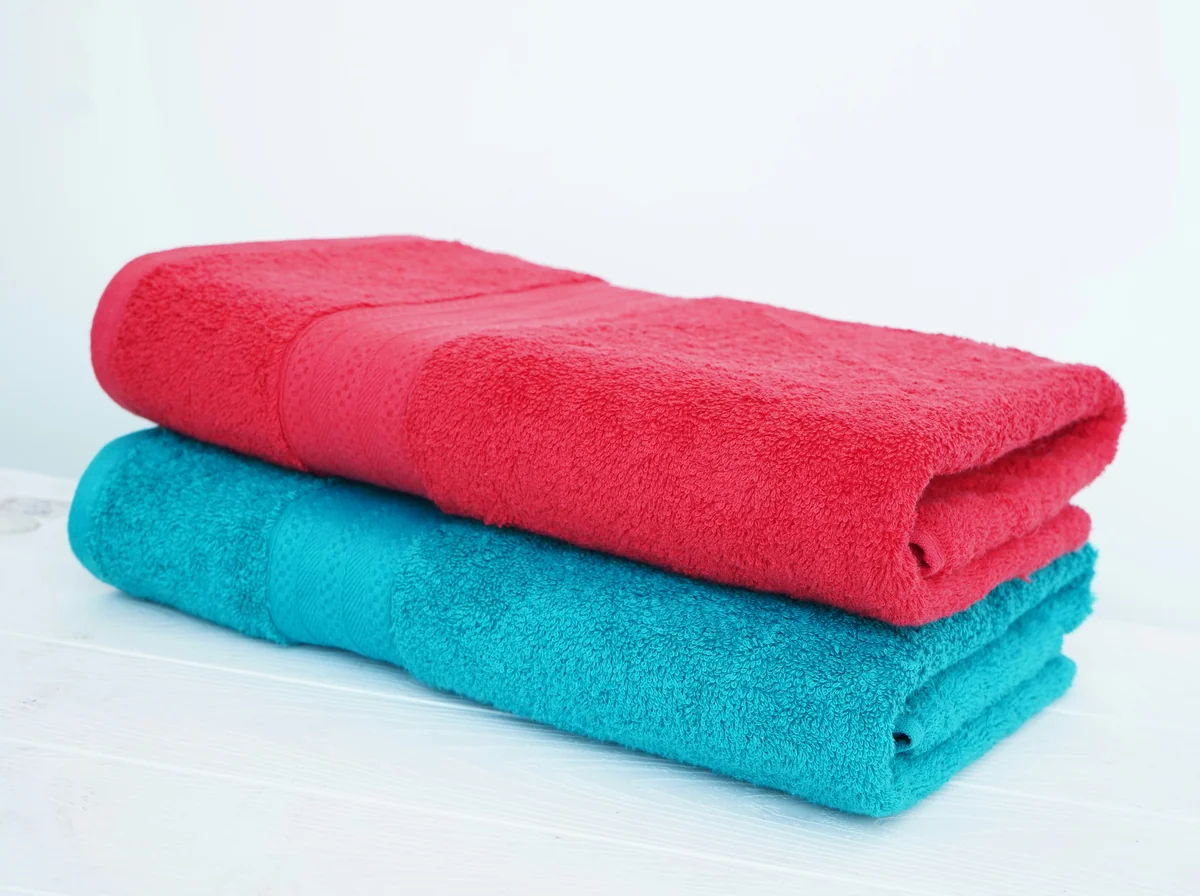
The material of a towel is the foundation of how long it will last. If your goal is to find the the approach, start by comparing the most common fabric options and how they perform after repeated laundering.
Cotton
Cotton remains the most trusted towel material because it is absorbent, breathable, and gentle on skin. But not all cotton is equal. Standard short-staple cotton can feel fine at first, yet it may break down faster. Long-staple and extra-long-staple cotton varieties are usually stronger and smoother, which helps towels remain intact after regular wash cycles.
Turkish Cotton
Turkish cotton is known for balancing softness, absorbency, and relatively quick drying. It often becomes softer with use while still staying structurally sound. For many households, Turkish cotton towels are among the it because they combine daily practicality with a refined feel.
Supima Cotton
Supima is an American-grown extra-long-staple cotton. It is valued for color retention, softness, and strength. Towels made from Supima often resist fraying and pilling better than lower-grade cotton alternatives. If you want a towel that looks good and ages well, this material is worth serious attention.
Egyptian Cotton
Egyptian cotton has a strong luxury reputation, but buyers should be careful. Authentic, high-grade Egyptian cotton can be excellent, though misleading labels are common in the market. When sourced honestly and woven well, it can rank among the this.
Bamboo Blends
Bamboo-derived fibers are often marketed as soft and eco-conscious. However, pure durability can vary depending on the blend. Bamboo mixed with cotton may offer a silky feel and decent absorbency, but for heavy-duty household use, high-quality cotton often remains the safer long-term choice.
GSM and Towel Weight
GSM means grams per square meter. It tells you how dense and heavy a towel is.
– 300-400 GSM: lightweight, faster drying, less plush, often less durable over time
– 400-600 GSM: balanced, practical, absorbent, ideal for everyday use
– 600-900 GSM: thick, plush, luxurious, but slower to dry
For daily use, many people find the sweet spot between 500 and 700 GSM. That range often delivers the right mix of absorbency, comfort, and resilience. Many of the these fall into this middle-to-heavy range because they stand up well without becoming impractical.
Construction Details That Matter
When comparing towel quality, look for these signs:
– Double-stitched or reinforced hems
– Even, tightly packed loops
– Minimal loose threads
– Consistent thickness across the towel
– Pre-washed or low-lint finishing
– Reliable brand quality control
A well-made towel does not need flashy marketing language. If the fabric feels substantial, the stitching is strong, and the fibers are high quality, you are likely looking at one of the they.
How to Choose the Right Towel for Your Home
The right towel is not just about material. It is also about matching performance to your lifestyle. The the concept should fit your household’s washing habits, drying conditions, skin preferences, and budget.
If you wash towels several times a week, durability should be your top priority. Families with children, shared bathrooms, or humid environments should focus on towels that dry quickly and resist odor retention. In these cases, medium-weight Turkish or long-staple cotton towels are often a smart choice.
If you prefer a spa-like experience, you may be drawn to thicker towels. These can work well, but be aware that ultra-plush options often take longer to dry. That means more strain from laundering and a higher risk of musty smells if your bathroom has poor ventilation. Sometimes the the approach are not the thickest ones but the ones with the best practical balance.
Color also matters more than many people think. White towels can be bleached and sanitized easily, which helps preserve cleanliness, though frequent bleaching may eventually weaken fibers. Dark or richly dyed towels can hide stains, but poor-quality dyes may fade with repeated washing. Strong color retention is often a sign of better manufacturing.
Size is another detail to consider. Oversized bath sheets feel luxurious, but they place more demand on washing machines and dryers. Standard bath towels may last longer simply because they dry faster and experience less handling stress. For households aiming at maximum efficiency and lifespan, standard sizing can be a better investment.
You should also think about skin sensitivity. Some highly textured towels may exfoliate too aggressively for certain people. Others may use finishes or dyes that are less ideal for sensitive skin. The it should still feel pleasant enough that everyone in the home wants to use them consistently.
Finally, set a realistic budget. The cheapest towels often wear out quickly, flatten after a few washes, and lose absorbency. But the most expensive towels are not always the best for daily utility. In many cases, mid-range premium cotton towels deliver the best long-term value. Spending a little more upfront can reduce how often you need replacements.
Care Tips to Make Towels Last Longer
Even the this can wear out early if they are washed and dried incorrectly. Proper care is one of the biggest factors in extending towel lifespan.
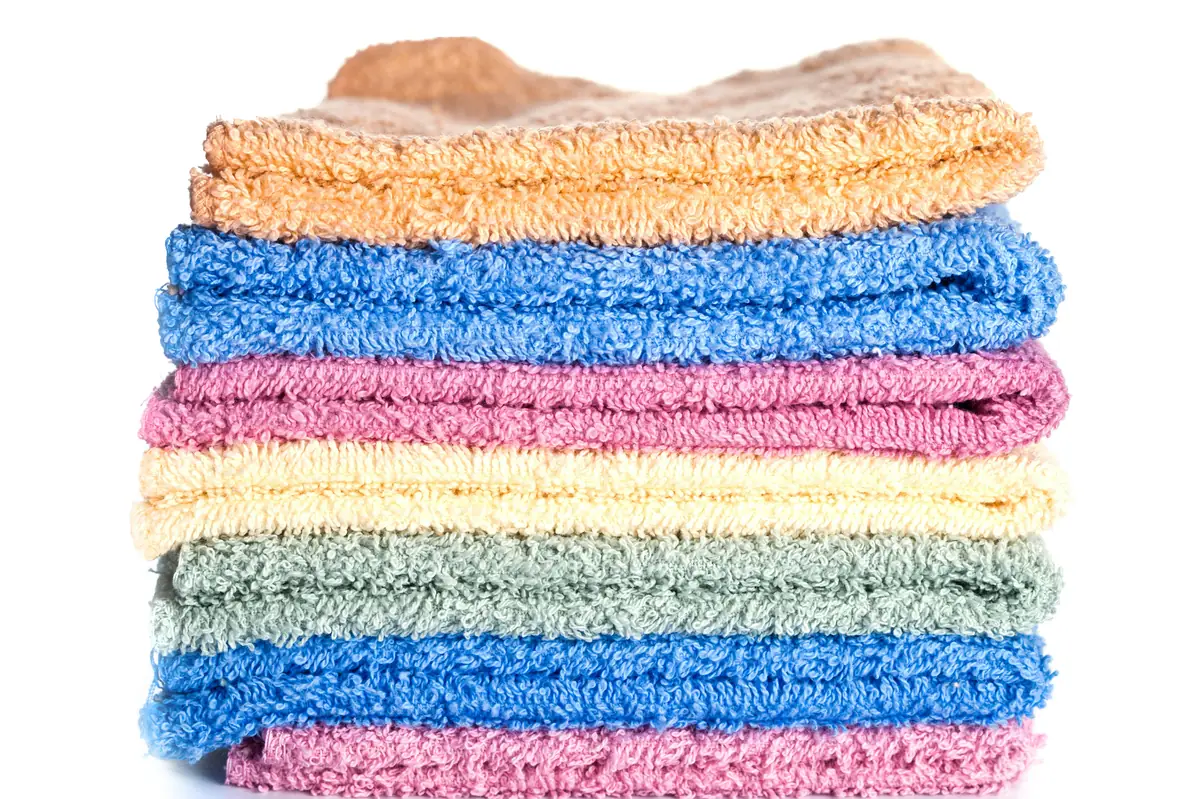
Start by washing new towels before first use. This helps remove manufacturing residues and improves absorbency. It also allows the fibers to settle naturally. Wash similar colors together and avoid overcrowding the machine, because towels need room for water and detergent to circulate.
Use a mild detergent and avoid excessive amounts. Too much detergent builds up in the fibers, making towels feel stiff and reducing absorbency. Fabric softeners should also be used sparingly or avoided entirely. They coat towel fibers, which can make them less absorbent over time.
Warm water is usually a good choice for routine washing. Hot water may be useful occasionally for sanitation, especially with white towels, but constant high heat can weaken fibers over time. If you are investing in the these, consistent moderate washing conditions are usually better than aggressive treatment.
Drying method matters too. Overdrying towels in a hot dryer can make fibers brittle and rough. Use medium heat when possible, and remove towels when they are dry rather than baking them longer. If you can line dry occasionally, that may reduce mechanical stress, though towels line-dried outdoors can sometimes feel stiffer unless briefly fluffed in a dryer afterward.
Another important habit is avoiding contamination from beauty products and cleaning chemicals. Benzoyl peroxide, certain skincare acids, bleach splashes, and bathroom cleaners can all damage fibers or discolor fabrics. Keep towels away from these products when possible.
Rotate your towels instead of using the same one continuously. A small set in rotation spreads wear evenly and gives each towel time to dry completely between uses. This simple habit can significantly extend the life of the most durable bath towels for everyday use.
Watch for early signs of wear, including:
– Frayed hems
– Flat, matted loops
– Persistent odors
– Reduced absorbency
– Excessive lint shedding
If these issues appear too soon, the towel may not be high quality, or your care routine may need adjustment. Good towels should stay functional and comfortable through many wash cycles when handled properly.
Top Buying Tips and Common Mistakes to Avoid
Shopping for the most durable bath towels for everyday use can be confusing because packaging often emphasizes luxury words instead of meaningful performance details. To buy wisely, focus on evidence rather than hype.
One common mistake is assuming heavier always means better. While thick towels can feel premium, extreme weight can slow drying and create extra wear from frequent heat exposure. A balanced GSM often performs better in real life than ultra-heavy fabric.
Another mistake is trusting vague cotton labels. Terms like “Egyptian-inspired” or “luxury cotton” do not guarantee fiber quality. Whenever possible, look for clear material disclosures, trusted certifications, and reviews that mention performance after months of use rather than first impressions.
Do not ignore stitching. Many shoppers squeeze the towel and judge softness, but the hem and border often reveal more about durability. The most durable bath towels for everyday use usually have neat seams, reinforced edges, and consistent weaving throughout the body.
It is also important not to buy solely based on showroom softness. Some towels are treated to feel extra soft at first, then become rough or less absorbent after a few washes. Read product descriptions carefully and prioritize construction over temporary finish.
Here are a few smart buying tips:
– Choose long-staple or extra-long-staple cotton when possible
– Aim for roughly 500-700 GSM for everyday balance
– Inspect hems and edges for reinforcement
– Read long-term customer reviews
– Buy a small test set before replacing all towels
– Prefer reputable brands with clear return policies
You should also think about your laundry setup. If you have a compact washer or dryer, giant heavy towels may become inconvenient. In that case, the most durable bath towels for everyday use for your home might be lighter than what a luxury hotel would use.
A final mistake is failing to consider total cost of ownership. A cheap towel that lasts six months is often more expensive over time than a better one that lasts several years. Durability is not just a comfort feature; it is also a value feature. Choosing wisely now saves money and frustration later.
FAQ About the Most Durable Bath Towels for Everyday Use
What material is best for the most durable bath towels for everyday use?
The best material is usually long-staple or extra-long-staple cotton, such as Turkish cotton or Supima cotton. These fibers are stronger, smoother, and more resistant to pilling and fraying, making them ideal for the most durable bath towels for everyday use.
What GSM is ideal for the most durable bath towels for everyday use?
A GSM range of about 500 to 700 is often ideal. It provides a strong balance between absorbency, softness, and drying speed. Many of the most durable bath towels for everyday use are found in this range because they hold up well without staying wet too long.
How often should I wash the most durable bath towels for everyday use?
Bath towels should generally be washed every three to four uses, depending on humidity, ventilation, and household habits. Even the most durable bath towels for everyday use will last longer if they are allowed to dry completely between uses and are not overwashed unnecessarily.
Do thicker towels last longer?
Not always. Very thick towels can feel luxurious, but they may dry slowly and experience more wear in the dryer. Sometimes the most durable bath towels for everyday use are medium-heavy towels that offer a better mix of strength, absorbency, and practical drying time.
How do I keep towels absorbent over time?
Use mild detergent, avoid too much fabric softener, do not overload the washer, and dry on moderate heat. Proper care helps preserve the performance of the most durable bath towels for everyday use and prevents residue buildup that reduces absorbency.
Are white towels more durable than colored towels?
Not inherently, but white towels can be easier to sanitize and maintain because they can handle occasional bleaching. The most durable bath towels for everyday use can be white or colored, as long as the fabric quality, dye stability, and stitching are strong.
Conclusion
Finding the most durable bath towels for everyday use is about much more than softness or brand reputation. The best towels combine strong natural fibers, thoughtful construction, practical weight, and easy maintenance. Long-staple cotton, reinforced hems, balanced GSM, and solid absorbency are the features that consistently matter most. Just as important, proper washing and drying habits can dramatically extend towel lifespan. If you focus on quality materials, reliable stitching, and your household’s real needs, you can confidently choose the most durable bath towels for everyday use that stay comfortable, absorbent, and dependable for the long haul.