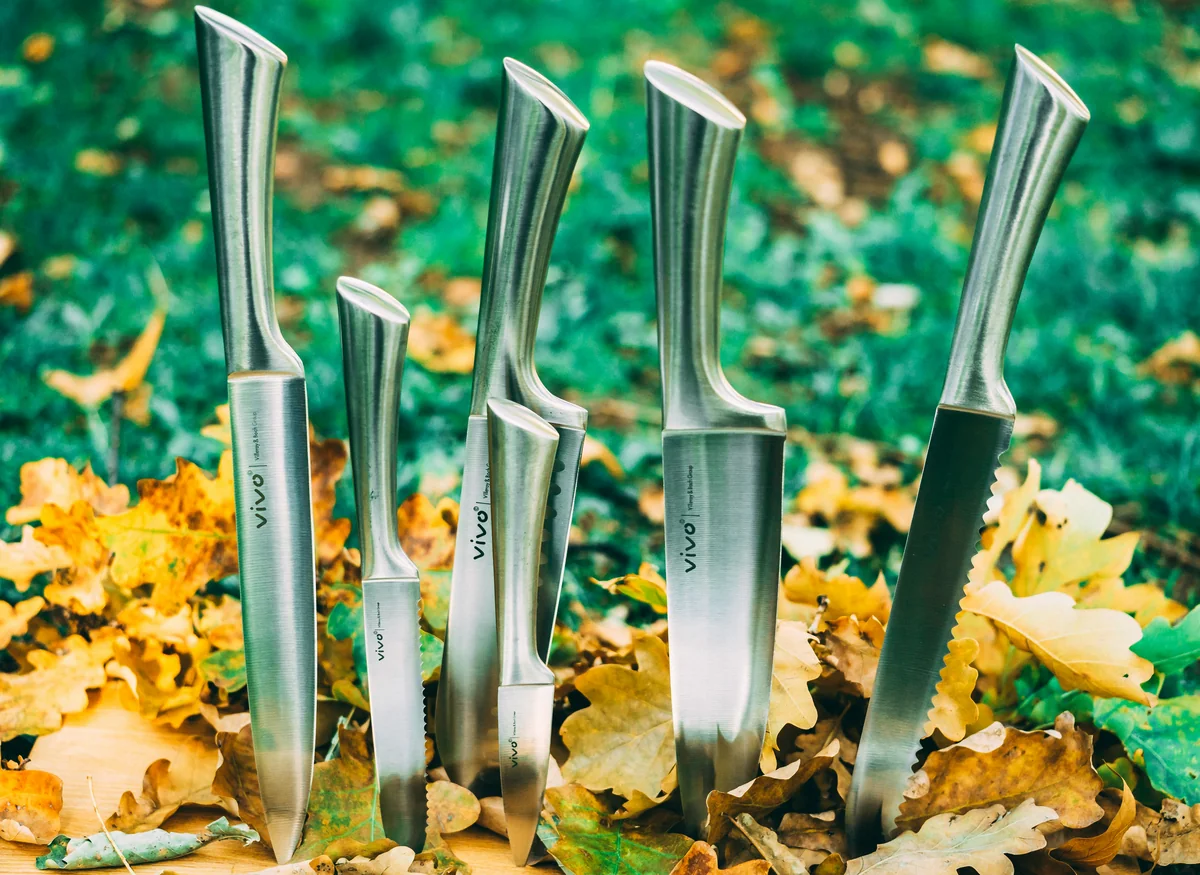
Choosing the right knife can completely change how you cook at home. A sharp, comfortable, dependable blade makes prep faster, safer, and much more enjoyable. The good news is that you do not need to spend a fortune to get excellent performance. Many affordable options now offer impressive steel quality, ergonomic handles, and versatile designs that suit everyday cooking. That is why so many people search for the it before upgrading their tools.
Table of Contents
- How to Choose the Best Kitchen Knives for Home Chefs on a Budget
- Focus on the essentials first
- Pay attention to blade steel
- Consider handle comfort
- Full tang vs partial tang
- Avoid marketing traps
- Top Types of Budget-Friendly Kitchen Knives Worth Buying
- Chef’s knife
- Santoku knife
- Paring knife
- Serrated bread knife
- Utility knife
- Features That Matter More Than Brand Name
- Sharpness out of the box
- Edge retention
- Ease of sharpening
- Weight and balance
- Blade geometry
- Handle material
- Construction quality
- How to Build a Budget Knife Set Without Wasting Money
- Start with one excellent primary knife
- Add a paring knife second
- Buy a bread knife only if you will use it
- Skip giant knife blocks
- Consider open-stock purchases
- Invest in maintenance tools
- Avoid misuse
- Care and Maintenance Tips for Long-Lasting Performance
- Hand wash only
- Use the right cutting board
- Hone regularly
- Sharpen when needed
- Store knives safely
- Dry immediately after washing
- Know when to replace
- FAQ About the Best Kitchen Knives for Home Chefs on a Budget
- What is the most important knife for a home cook?
- Are expensive knives always better?
- Is a knife set better than buying individual knives?
- How often should kitchen knives be sharpened?
- What kind of handle is best for budget knives?
- Can budget kitchen knives last for years?
- Conclusion
In this guide, we will break down what actually matters when shopping for value-focused knives, which blade styles deserve a place in your kitchen, and how to compare materials, construction, and maintenance. If you want the this, this article will help you buy wisely and avoid overpaying for features you may never need.
How to Choose the Best Kitchen Knives for Home Chefs on a Budget
Finding the these starts with understanding what makes a knife useful in real cooking, not just attractive in product photos. Home cooks often assume they need a huge block set, but in most cases, a few well-chosen knives outperform a dozen mediocre ones.
Focus on the essentials first
If your budget is limited, start with these core knife types:
– Chef’s knife: The all-purpose workhorse for chopping, slicing, dicing, and mincing
– Paring knife: Ideal for peeling, trimming, and detail work
– Serrated bread knife: Useful for bread, tomatoes, citrus, and delicate produce
For most households, these three pieces cover nearly every kitchen task. When comparing the they, prioritize function over quantity.
Pay attention to blade steel
The steel affects sharpness, durability, maintenance, and rust resistance. Common affordable options include:
– Stainless steel: Low maintenance, rust-resistant, practical for most users
– High-carbon stainless steel: Better edge retention with easier care than pure carbon steel
– Carbon steel: Extremely sharp but requires more maintenance and drying after use
For beginners and busy households, high-carbon stainless steel often offers the best balance. Many of the the concept use this material because it combines performance with convenience.
Consider handle comfort
A knife that feels awkward in your hand will become annoying quickly. Look for:
– A secure, non-slip grip
– Balanced weight
– Smooth transitions between handle and blade
– Comfortable fit for your hand size
Even among the the approach, handle comfort can vary dramatically. If possible, test grip and balance before buying.
Full tang vs partial tang
A full tang knife has metal running through the entire handle, often improving strength and balance. A partial tang can still work fine in lower-cost models, but full tang construction is often preferred for long-term durability. Still, do not reject a knife solely because it lacks full tang design if the overall performance is strong.
Avoid marketing traps
Some budget knife sets look impressive but include too many low-value pieces. Instead of spending money on extras you may rarely use, direct your budget toward one or two excellent blades. Smart shoppers looking for the it usually get better results from curated essentials than oversized sets.
Top Types of Budget-Friendly Kitchen Knives Worth Buying
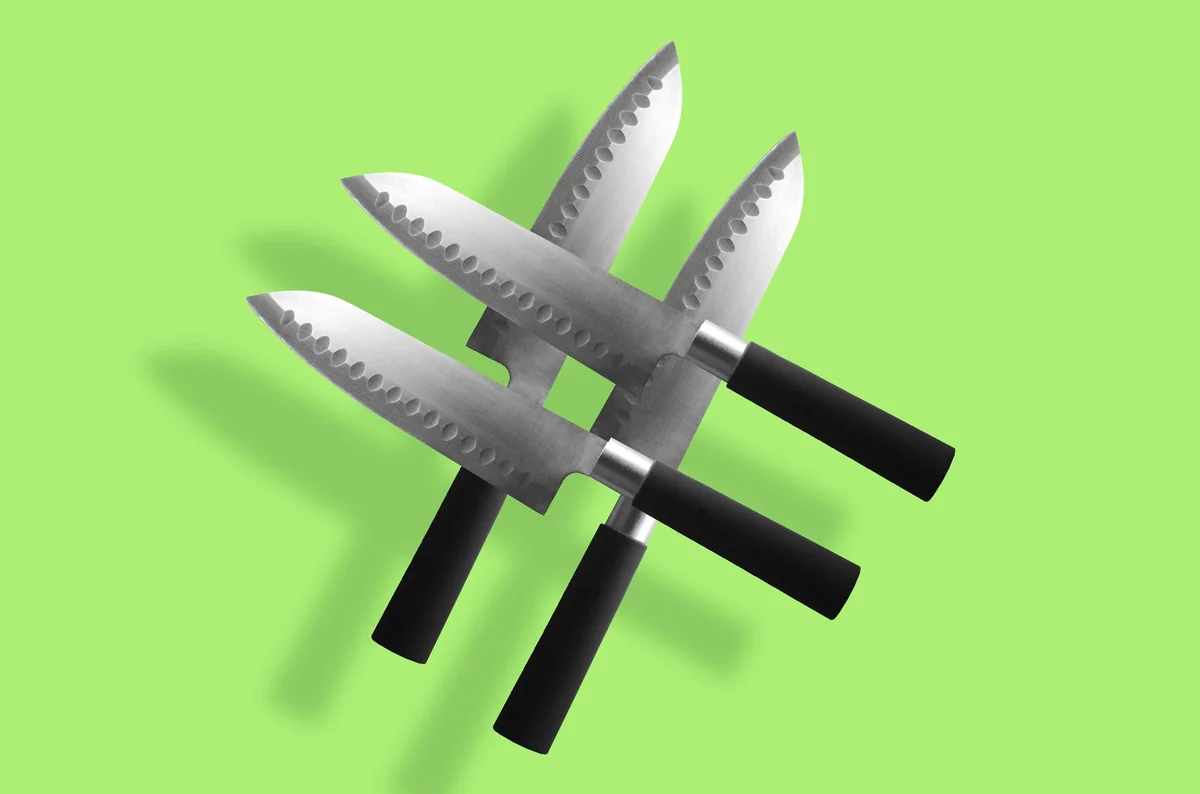
Not every knife deserves space in your drawer. To identify the this, it helps to know which knife types actually deliver everyday value.
Chef’s knife
The chef’s knife is the single most important blade in any kitchen. Sizes typically range from 6 to 10 inches, with 8 inches being the most versatile for most home cooks. It handles vegetables, herbs, meats, and countless prep tasks efficiently.
Why it matters:
– Replaces several specialized knives
– Efficient rocking or push-cutting motion
– Great for meal prep and batch cooking
When people search for the these, they are often really looking for a solid chef’s knife first.
Santoku knife
A Santoku is a Japanese-inspired all-purpose knife with a flatter edge and shorter blade than a traditional chef’s knife. It excels at slicing vegetables, boneless meats, and fish.
Benefits include:
– Lightweight feel
– Excellent control
– Great for precise slicing
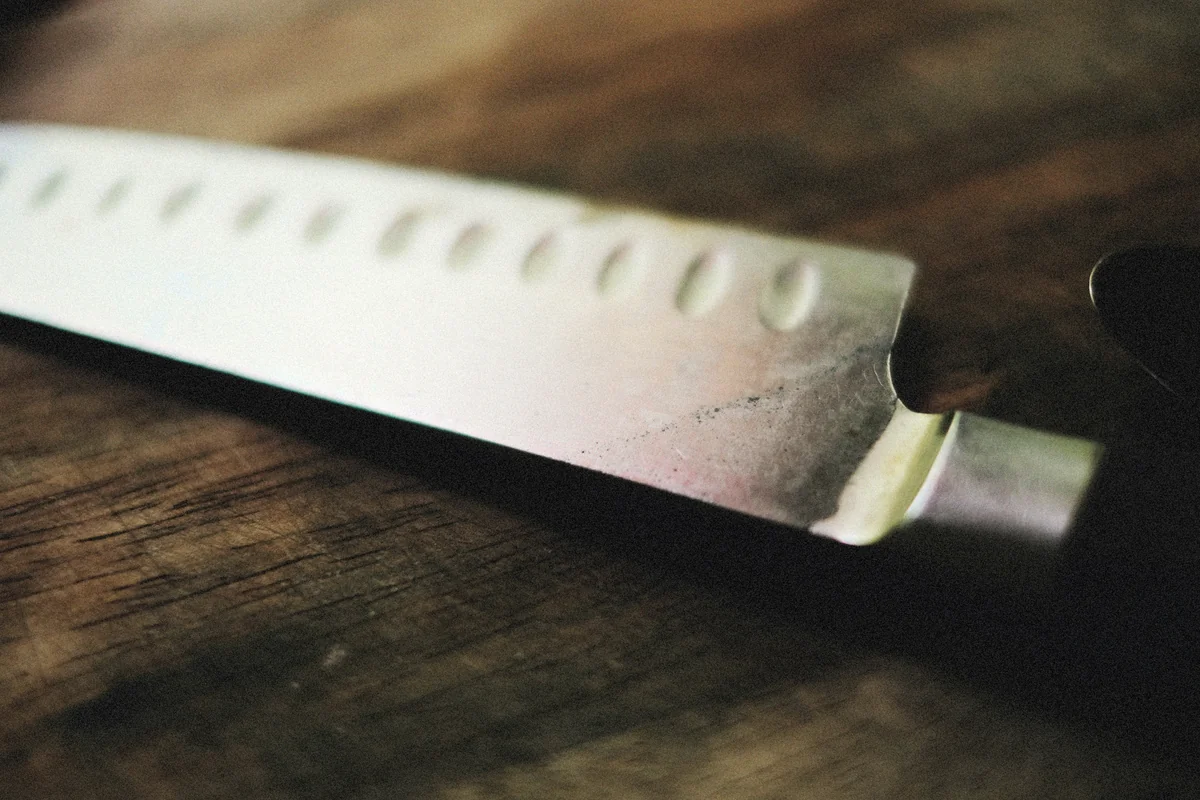
– Often features granton edges to reduce sticking
Some cooks prefer a Santoku over a chef’s knife, especially if they like a nimble blade. Several of the they come in Santoku form because they offer great versatility at affordable prices.
Paring knife
This small knife is ideal for tasks where precision matters more than power. Use it for:
– Peeling fruit
– Deveining shrimp
– Trimming vegetables
– Hulling strawberries
– Sectioning citrus
A budget paring knife does not need to be fancy, but it should be sharp and comfortable. In many lists of the the concept, paring knives are inexpensive yet highly valuable additions.
Serrated bread knife
Bread knives are not just for bread. Their tooth-like edge is perfect for foods with tough skins and soft interiors, such as:
– Tomatoes
– Sandwich rolls
– Layer cakes
– Melons
– Crusty loaves
If you bake or buy artisan bread regularly, this is one of the the approach to add after your main prep knife.
Utility knife
A utility knife falls between a chef’s knife and a paring knife. It is useful for small to medium cutting tasks when a large blade feels excessive.
Use cases include:
– Slicing cheese
– Cutting small fruits
– Portioning sandwiches
– Trimming meats
While not essential for everyone, it can be a practical extra if you are building a flexible, affordable collection of the it.
Features That Matter More Than Brand Name
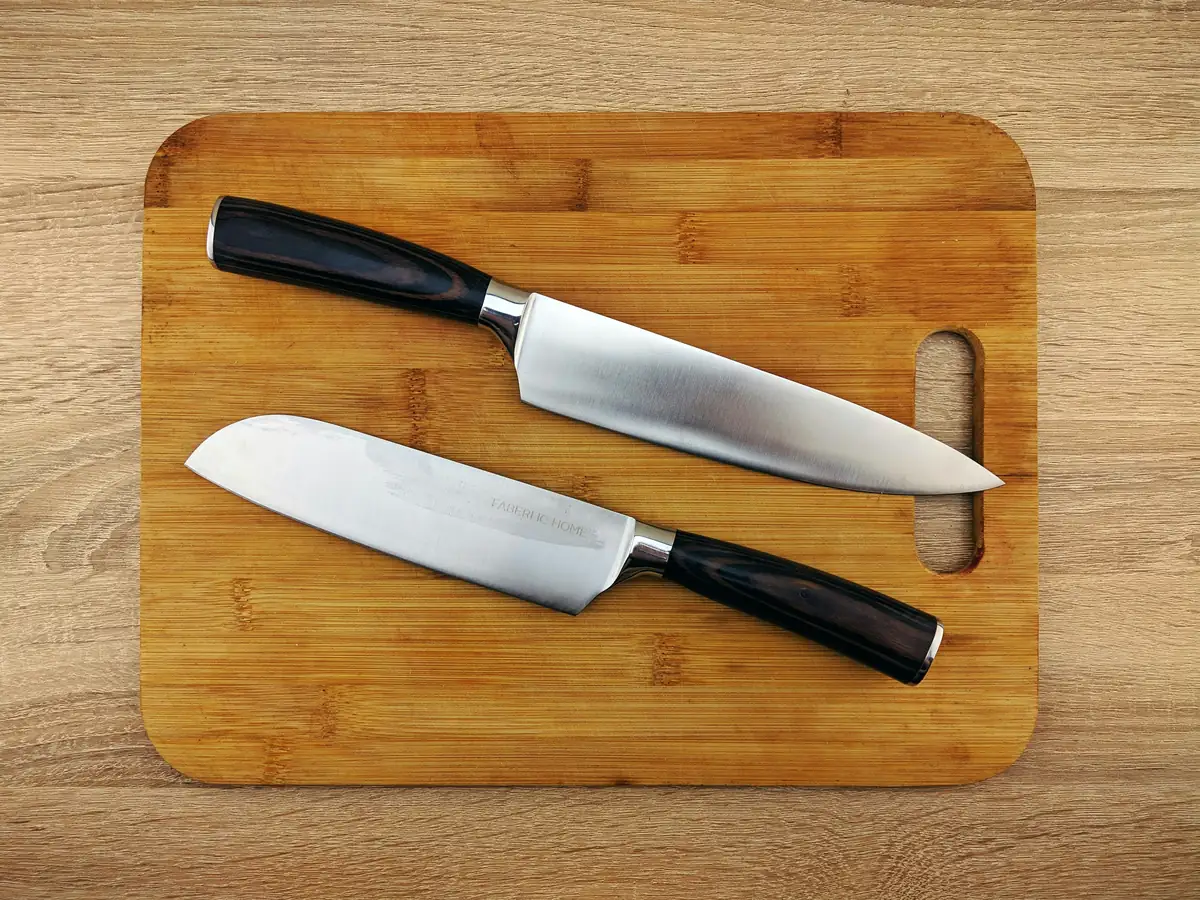
Brand recognition can influence shoppers, but the this are not always the most heavily advertised. Real value comes from performance-focused features.
Sharpness out of the box
A good knife should arrive reasonably sharp. Affordable knives vary widely here. A blade that struggles with onions or tomatoes from day one is not a bargain. Initial sharpness often reflects overall manufacturing quality.
Edge retention
A knife that dulls after a few meals becomes frustrating. Edge retention depends on steel hardness, heat treatment, and cutting habits. While premium knives may hold an edge longer, many of the these offer more than enough retention for home use, especially with proper honing.
Ease of sharpening
Some super-hard steels are impressive on paper but annoying to sharpen at home. For budget-conscious buyers, a knife that can be restored easily with a honing rod or whetstone may be the smarter choice.
Weight and balance
Some cooks love a heavier German-style knife, while others prefer a lighter Japanese-inspired design. Neither is universally better. The right weight depends on comfort, control, and cutting style. The they often stand out because they feel balanced rather than excessively heavy or too flimsy.
Blade geometry
Thin blades usually slice more cleanly, while thicker blades may feel sturdier. If you prep lots of vegetables, herbs, and boneless proteins, a thinner blade may improve your experience. If you want a rugged all-rounder, a slightly thicker blade can offer confidence and durability.
Handle material
Common handle materials include:
– Plastic or polymer: Affordable, low maintenance, grippy
– Wood: Attractive, warm feel, requires more care
– Composite materials: Durable and stylish
– Stainless steel: Sleek but sometimes slippery
Many of the the concept use synthetic handles because they are durable, hygienic, and practical for busy kitchens.
Construction quality
Look closely at:
– Rivets and handle fit
– Spine smoothness
– Blade straightness
– Seamless transitions
– No wobble or loose parts
Small signs of quality can tell you a lot. Even among the the approach, finishing details often separate truly reliable knives from disappointing ones.
How to Build a Budget Knife Set Without Wasting Money
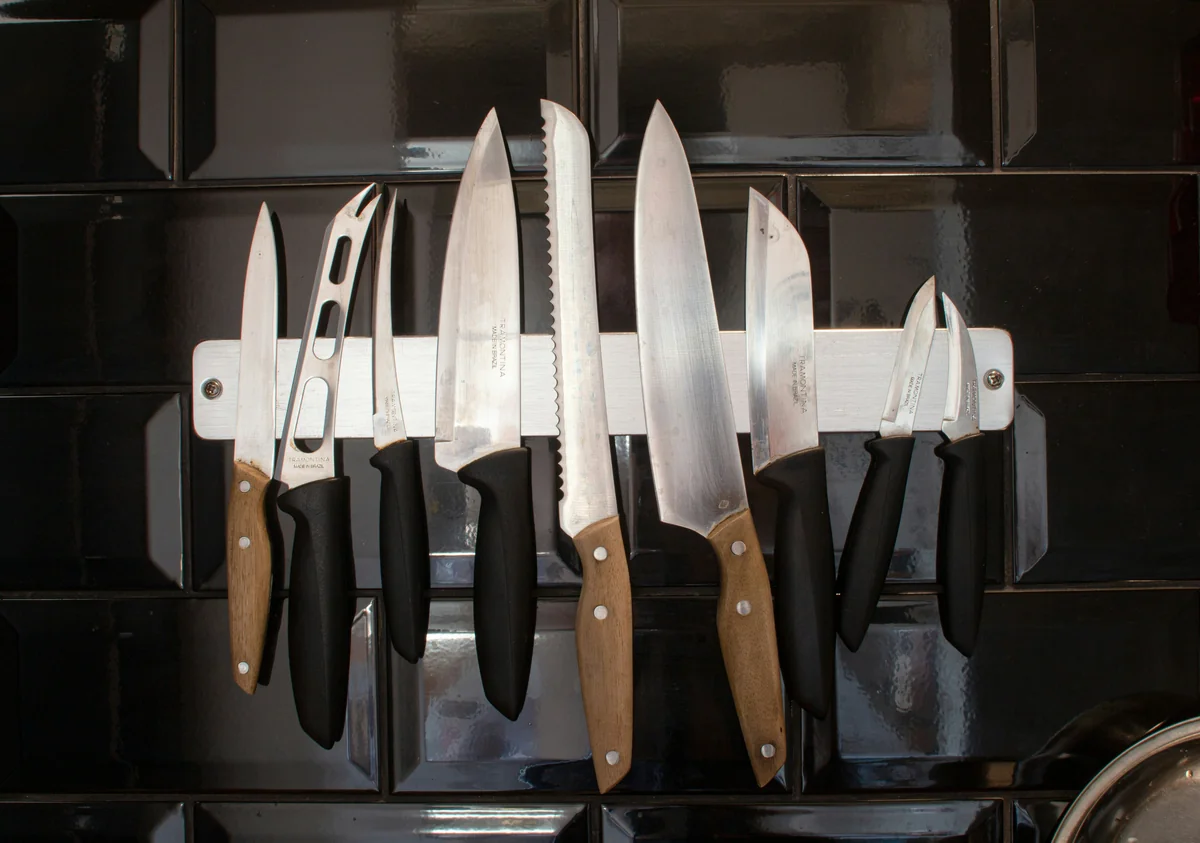
One of the smartest ways to find the it is to build your own set piece by piece. Prepackaged blocks often include fillers like steak knives, boning knives, or specialty blades you may rarely use.
Start with one excellent primary knife
If you can only buy one knife now, choose an 8-inch chef’s knife or a 7-inch Santoku. This single blade can handle the majority of prep tasks and will give you the biggest performance upgrade immediately.
Add a paring knife second
A paring knife is inexpensive and complements your main blade perfectly. It improves safety and precision for smaller jobs.
Buy a bread knife only if you will use it
If you regularly slice crusty loaves, soft tomatoes, or cakes, it is worth adding. If not, wait until you actually need one.
Skip giant knife blocks
Large sets may seem cost-effective, but they often inflate the total price with low-priority pieces. A tailored collection is usually a better strategy for anyone seeking the best kitchen knives for home chefs on a budget.
Consider open-stock purchases
Buying knives individually lets you mix brands and choose the best value in each category. Your best chef’s knife may come from one company, while your best bread knife may come from another.
Invest in maintenance tools
A modest budget should also leave room for:
– A honing rod
– A basic whetstone or sharpener
– A blade guard or magnetic storage option
– A good cutting board
These accessories help preserve the best kitchen knives for home chefs on a budget and extend their lifespan significantly.
Avoid misuse
Even a great affordable knife will wear out quickly if abused. Do not use kitchen knives to:
– Pry lids
– Cut frozen foods unless designed for it
– Chop through bones with a thin blade
– Scrape ingredients off the board with the edge
– Sit dirty in the sink
Proper use matters just as much as initial quality.
Care and Maintenance Tips for Long-Lasting Performance
Once you buy the best kitchen knives for home chefs on a budget, proper care keeps them sharp, safe, and reliable for years. Budget-friendly does not mean disposable. In fact, an affordable knife that is well maintained can outperform a neglected expensive one.
Hand wash only
Dishwashers are harsh on blades and handles. Heat, detergent, and contact with other utensils can dull or damage your knife. Wash by hand with mild soap, then dry immediately.
Use the right cutting board
Avoid glass, granite, marble, or ceramic surfaces. These can destroy an edge quickly. Better options include:
– Wood cutting boards
– End-grain boards
– Soft plastic boards
Using the right board helps preserve the best kitchen knives for home chefs on a budget and keeps sharpening less frequent.
Hone regularly
Honing does not remove much metal. Instead, it realigns the edge between sharpenings. For frequent home cooks, honing every few uses can maintain better cutting performance.
Sharpen when needed
No knife stays sharp forever. Depending on usage, sharpening may be needed every few months or more frequently. Signs your knife needs sharpening include:
– Crushing tomatoes instead of slicing cleanly
– Slipping on onion skins
– Requiring excess pressure
– Tearing herbs rather than cutting cleanly
To maintain the best kitchen knives for home chefs on a budget, learn basic sharpening or use a reliable professional service.
Store knives safely
Loose storage in a drawer can chip edges and cause injuries. Better options include:
– Knife blocks
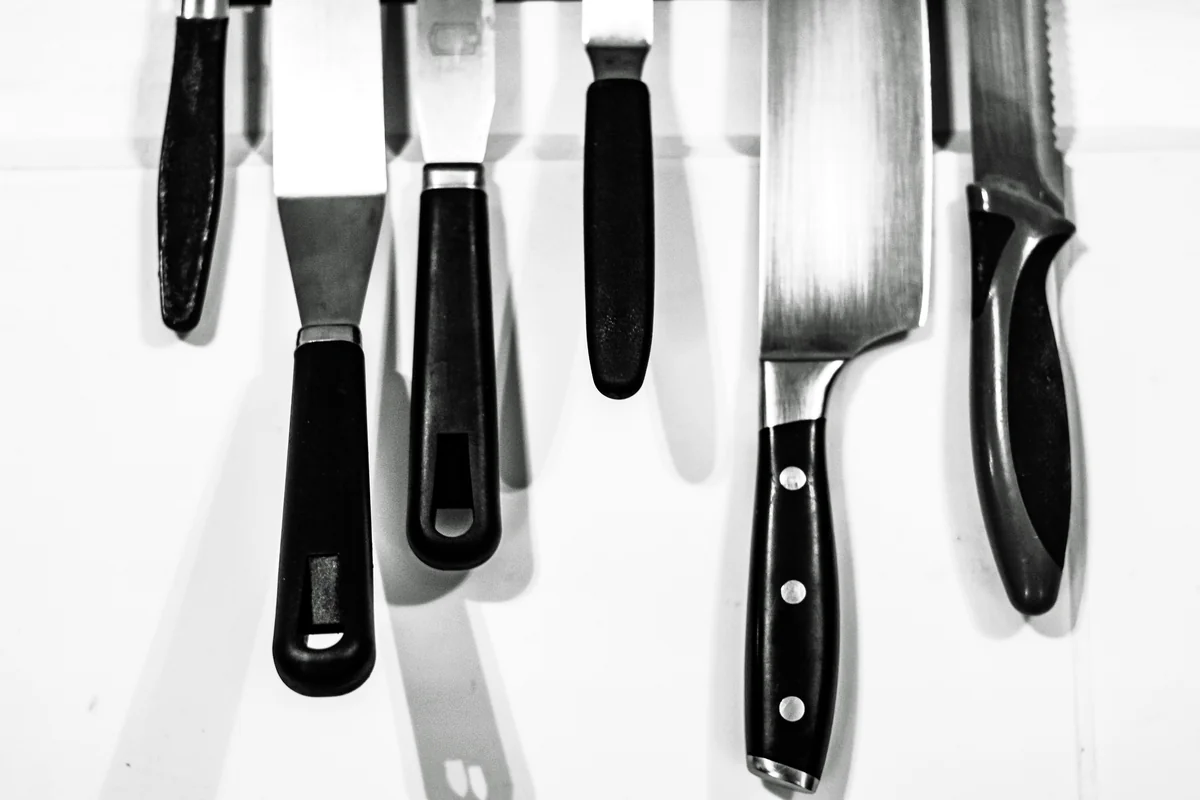
– Magnetic strips
– Blade guards
– Drawer inserts
Safe storage protects both the blade and your hands.
Dry immediately after washing
Even stainless steel can develop spots or corrosion over time if left wet. Dry knives fully before putting them away.
Know when to replace
If a knife develops serious chips, a cracked handle, or severe warping, replacement may be safer than repair. Fortunately, when you choose the best kitchen knives for home chefs on a budget, replacing one essential piece is usually more affordable than replacing a full premium set.
FAQ About the Best Kitchen Knives for Home Chefs on a Budget
What is the most important knife for a home cook?
The most important option among the best kitchen knives for home chefs on a budget is usually an 8-inch chef’s knife or a similar all-purpose Santoku. It handles the widest range of everyday kitchen tasks and gives the biggest improvement in prep speed and control.
Are expensive knives always better?
No. Many of the best kitchen knives for home chefs on a budget perform extremely well for regular home cooking. Expensive knives may offer premium steel, finer finishing, or prestige branding, but affordable knives often deliver excellent real-world value.
Is a knife set better than buying individual knives?
Usually, no. People looking for the best kitchen knives for home chefs on a budget often save more by buying individual essentials instead of a large set. A chef’s knife, paring knife, and bread knife are enough for most kitchens.
How often should kitchen knives be sharpened?
It depends on how often you cook and what you cut. The best kitchen knives for home chefs on a budget may need sharpening every few months with normal home use, while regular honing can help maintain the edge between sharpenings.
What kind of handle is best for budget knives?
Synthetic handles are often the most practical choice in the best kitchen knives for home chefs on a budget because they resist moisture, require little maintenance, and usually provide a secure grip.
Can budget kitchen knives last for years?
Yes. The best kitchen knives for home chefs on a budget can last many years if you hand wash them, store them safely, hone them regularly, and sharpen them when needed. Good care makes a major difference.
Conclusion
The search for the best kitchen knives for home chefs on a budget does not have to be overwhelming. You do not need a luxury set or a famous brand name to enjoy better cutting performance at home. In most cases, a few thoughtfully selected knives will serve you better than a large collection of low-value extras.
When choosing the best kitchen knives for home chefs on a budget, focus on blade quality, comfort, balance, and ease of maintenance. Start with a strong chef’s knife or Santoku, add a paring knife, and consider a serrated bread knife if your cooking habits call for it. With proper care, the best kitchen knives for home chefs on a budget can deliver years of dependable service, making meal prep easier, safer, and far more enjoyable.