Introduction
Daily travel can be exhausting, especially when you’re surrounded by engine rumble, crowded platforms, office chatter, and unpredictable city noise. That’s exactly why so many people are searching for this that deliver comfort, reliable sound, and strong battery life without draining their budget. The good news is that today’s market offers far more value than it did just a few years ago. You no longer need to spend premium prices to enjoy active noise cancellation, clear calls, and a portable design built for buses, trains, and flights. In this guide, we’ll break down how to choose it, which features matter most, and how to get the best long-term value from your purchase.
Table of Contents
- Introduction
- Why Affordable Noise Cancelling Headphones for Commuting Matter
- Key Features to Look for Before You Buy
- 1. Active Noise Cancellation Performance
- 2. Comfort and Fit
- 3. Battery Life
- 4. Sound Quality
- 5. Portability and Build
- 6. Call Quality and Connectivity
- How to Choose the Best Model for Your Commute
- Short City Commutes
- Long Train or Bus Journeys
- Hybrid Work and Travel
- Occasional Flights
- Wired Backup Option
- Best Value Expectations and Common Buying Mistakes
- What You Can Realistically Expect
- Mistake 1: Buying Based Only on Price
- Mistake 2: Ignoring Comfort Reviews
- Mistake 3: Overvaluing Brand Name Alone
- Mistake 4: Forgetting About Everyday Controls
- Mistake 5: Expecting Silence Instead of Reduction
- Care, Maintenance, and Tips for Long-Term Value
- Keep Them Clean
- Store Them Properly
- Avoid Extreme Temperatures
- Charge Smartly
- Update Firmware When Available
- Replace Worn Parts If Possible
- FAQ
- Are affordable noise cancelling headphones for commuting worth buying?
- Do affordable noise cancelling headphones for commuting block all outside noise?
- How much should I spend on affordable noise cancelling headphones for commuting?
- Are over-ear models better than earbuds for commuting?
- How long should battery life last on commuting headphones?
- Conclusion
Why Affordable Noise Cancelling Headphones for Commuting Matter
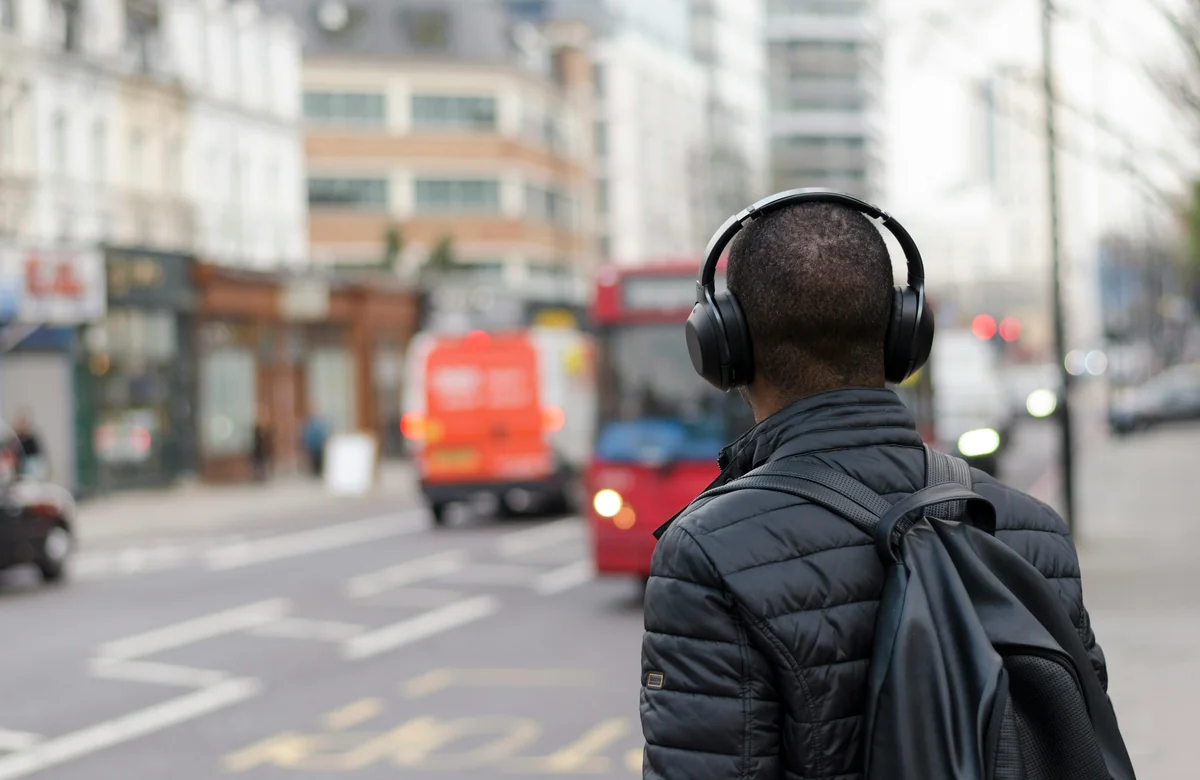
For regular commuters, audio gear is not just an entertainment device. It is a tool that helps create a more peaceful, productive, and enjoyable travel experience. The appeal of these comes from their ability to reduce background distractions while keeping costs reasonable.
Many people assume that noise cancellation is only worthwhile in expensive flagship models, but that’s no longer true. Budget-friendly options can now soften low-frequency sounds like train vibrations, bus engines, airplane cabin hum, and air-conditioning noise surprisingly well. While premium models may offer stronger overall cancellation and more refined tuning, mid-range and entry-level products often deliver enough performance for everyday travel.
There are several practical reasons commuters prioritize this category:
– Reduced fatigue during long journeys
– Better focus while listening to podcasts or work calls
– Lower need to raise volume in noisy environments
– Improved comfort compared with cheap earbuds
– Better value for users who travel daily but shop carefully
When evaluating they, it’s important to understand what noise cancellation actually does. Active noise cancellation, or ANC, uses microphones and internal processing to counter certain external sounds. It works best against consistent background noise rather than sudden voices or high-pitched sounds. That means the right pair can make a subway ride or bus trip feel significantly calmer, even if it does not erase every noise around you.
Another key point is hearing health. With good ANC, users often listen at lower volume levels because they do not need to overpower ambient noise. That makes the concept a smart purchase not only for convenience but also for safer everyday listening habits.
Key Features to Look for Before You Buy
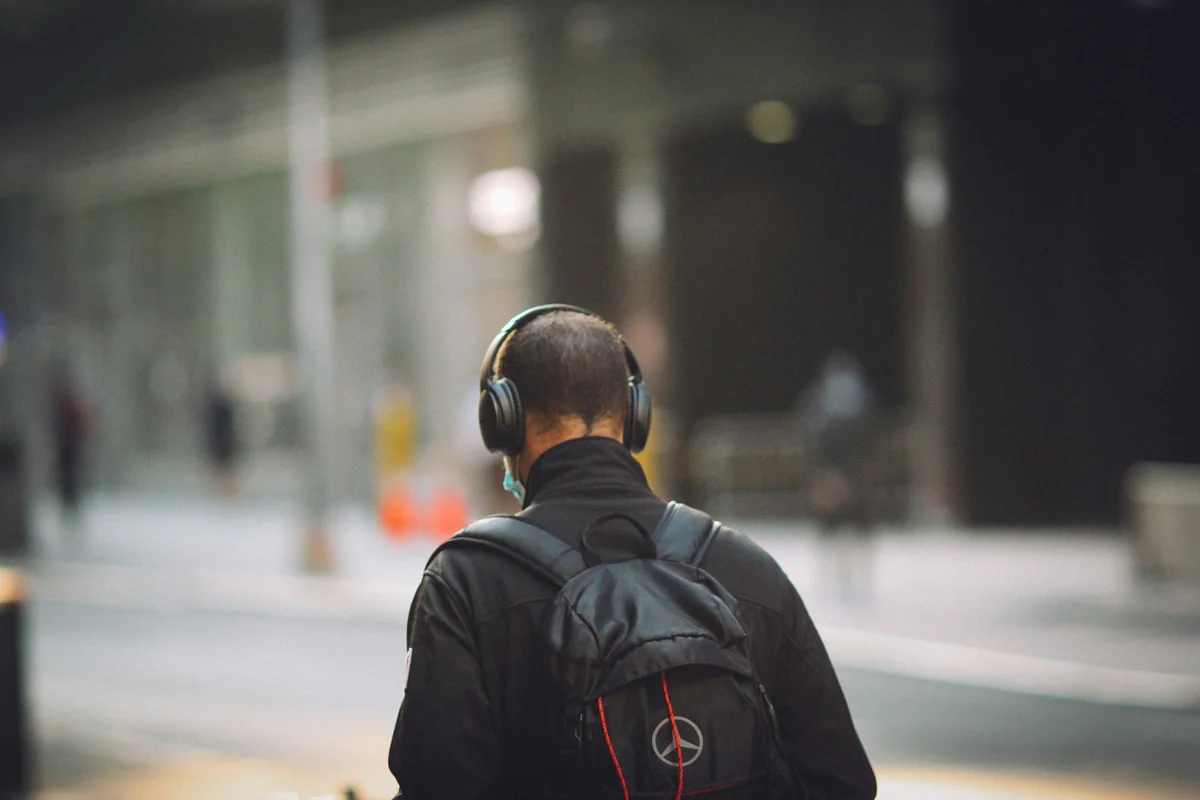
Not every headphone marketed as budget-friendly offers the same level of quality. If you want the best the approach, you need to compare more than just price. The right balance of features can make a major difference in daily use.
1. Active Noise Cancellation Performance
ANC quality should be your first checkpoint. For commuting, strong low-end noise reduction matters most. Look for products that specifically mention effectiveness on trains, buses, airplane noise, or traffic hum. Read real-world reviews rather than relying only on manufacturer claims. The best it tend to perform consistently in transit settings, not just in lab-style descriptions.
2. Comfort and Fit
Commuters often wear headphones for 30 minutes to several hours at a time. Lightweight construction, soft ear cushions, and manageable clamping force are essential. Over-ear models usually offer better isolation and comfort than on-ear designs, though some users prefer the smaller footprint of compact alternatives. If comfort is poor, even the most technically capable this will become inconvenient fast.
3. Battery Life
Battery life directly affects practicality. A good target is at least 25 to 40 hours with ANC on. Fast charging is another major benefit for commuters who forget to plug in their devices overnight. Some models provide several hours of playback from just 10 minutes of charging, which is ideal for busy mornings.
4. Sound Quality
Affordable does not have to mean weak audio. Look for balanced tuning with clear vocals, decent bass control, and enough detail for music, podcasts, and calls. Some lower-cost models exaggerate bass too much, which can become tiring during daily use. The strongest these usually offer a pleasant, versatile sound profile rather than extreme tuning.
5. Portability and Build
Foldable hinges, swiveling earcups, and a carrying case all add value for commuters. Durability also matters because these headphones will likely be packed into bags, worn in changing weather, and handled frequently. A lightweight but solid frame is often preferable to bulky premium-style construction.
6. Call Quality and Connectivity
If you take calls while traveling or walking to work, microphone quality is important. Bluetooth multipoint is another useful feature, allowing you to switch between your laptop and phone seamlessly. Many shoppers searching for they overlook this until after buying, but it can be one of the most convenient everyday functions.
How to Choose the Best Model for Your Commute
The best headphones for one commuter may not be ideal for another. Your route, travel duration, and listening habits all influence which pair makes the most sense. To narrow down the best the concept, start by thinking about your typical routine.

Short City Commutes
If your daily ride is under 30 minutes, portability and fast pairing may matter more than maximum battery life. You may also want a design that feels easy to remove quickly when announcements or conversations come up. In this case, choose headphones with dependable ANC, compact foldability, and simple controls.
Long Train or Bus Journeys
For longer rides, comfort becomes critical. Thick ear cushions, stable Bluetooth performance, and extended battery life should move to the top of your list. Over time, small pressure points can become frustrating, so comfort testing and trusted user feedback are especially important. Many of the best the approach excel not by being flashy but by remaining comfortable hour after hour.
Hybrid Work and Travel
If you commute to an office and also use your headphones at your desk, versatility matters. Look for a model with strong call clarity, transparency mode, and multipoint connectivity. This lets you use one pair for travel, meetings, focus time, and casual listening. A balanced all-around performer often offers more value than a model that focuses only on ANC strength.
Occasional Flights
If your commute sometimes includes air travel, prioritize stronger ANC and longer battery life. Airplane cabin noise is one of the most common environments where active noise cancellation shines. Several newer it now handle flights well enough that many users no longer feel the need to upgrade to premium-tier products.
Wired Backup Option
Some commuters still prefer a wired cable as a backup, especially for older devices or in case the battery runs low. A 3.5mm audio jack can be a useful extra feature. It may not be essential for everyone, but it adds flexibility and can extend the practical lifespan of your headphones.
A simple buying strategy is to rank your priorities from one to five: ANC, comfort, battery, sound, and portability. That helps avoid being distracted by marketing terms and keeps your decision focused on what you will actually use every day.
Best Value Expectations and Common Buying Mistakes
Finding affordable noise cancelling headphones for commuting is easier than ever, but buyers still make a few predictable mistakes. Understanding what to expect at different price points can help you avoid disappointment.

What You Can Realistically Expect
In the affordable category, you can often get:
– Effective ANC against steady low-frequency travel noise
– Solid battery life for a full week of commuting
– Respectable sound quality for music and podcasts
– Comfortable materials suitable for daily wear
– Bluetooth features like quick pairing and app support
What you may not always get includes elite microphone performance in windy environments, luxury-grade materials, or top-tier noise cancellation against voices. The best approach is to seek strong value, not perfection.
Mistake 1: Buying Based Only on Price
The cheapest option is not always the best deal. Poor durability, weak ear padding, and unreliable Bluetooth can quickly reduce value. A slightly more expensive pair may last much longer and offer a dramatically better user experience. That is why experienced shoppers compare the total performance of affordable noise cancelling headphones for commuting, not just the sticker price.
Mistake 2: Ignoring Comfort Reviews
Even good-sounding headphones can become unusable if they create ear pressure or heat buildup. Comfort is highly personal, but repeated user complaints are a red flag. Since commuters often wear headphones on a routine basis, physical design matters almost as much as sound.
Mistake 3: Overvaluing Brand Name Alone
Well-known brands can be excellent, but they are not automatically the best value in every price segment. Some lesser-known brands now offer impressive ANC and battery performance for less. Researching real test results is a better strategy than buying only by logo recognition.
Mistake 4: Forgetting About Everyday Controls
Touch controls may look sleek, but physical buttons are often easier to use while wearing gloves or walking through a crowded station. Volume buttons, ANC toggles, and play controls should be easy to access by feel. The most practical affordable noise cancelling headphones for commuting are designed for real-life movement, not just showroom appeal.
Mistake 5: Expecting Silence Instead of Reduction
Noise cancelling headphones reduce noise; they do not create total silence. Setting realistic expectations leads to a better buying experience. If your main goal is to soften engine noise, reduce fatigue, and hear audio more clearly at lower volume, affordable models can perform very well.
Care, Maintenance, and Tips for Long-Term Value
Once you buy affordable noise cancelling headphones for commuting, taking care of them helps protect your investment. Even budget-friendly electronics can last for years if handled properly.
Keep Them Clean

Wipe ear cushions and headbands regularly with a soft, slightly damp cloth. Sweat, dust, and skin oils can wear down materials over time. If you commute daily, a quick weekly cleaning routine helps keep the headphones comfortable and hygienic.
Store Them Properly
Use a case or at least place them in a protected section of your bag. Tossing them loose into a backpack with keys, chargers, and books can damage hinges, scratch surfaces, or strain cables. Good storage is one of the easiest ways to extend the lifespan of affordable noise cancelling headphones for commuting.
Avoid Extreme Temperatures
Leaving headphones in a hot car or exposing them to heavy rain can shorten battery life and affect materials. If you travel in bad weather, consider models with some water resistance or keep them packed until you are under cover.
Charge Smartly
Try not to let the battery fully drain all the time. Regular charging habits can help maintain battery health over the long term. Fast charging is convenient, but consistent overnight or routine charging is usually the best pattern for daily use.
Update Firmware When Available
Some Bluetooth headphones receive firmware updates that improve ANC performance, connectivity, or bug fixes. Checking the companion app once in a while can improve the experience without any extra cost.
Replace Worn Parts If Possible
Some models allow replacement ear pads or detachable cables. This can dramatically increase lifespan and overall value. When comparing affordable noise cancelling headphones for commuting, repair-friendly features can make one model a smarter long-term purchase than another.
FAQ
Are affordable noise cancelling headphones for commuting worth buying?
Yes, affordable noise cancelling headphones for commuting are worth buying for many users because they reduce travel noise, improve listening comfort, and often allow lower volume levels. Premium models may perform better overall, but many affordable options now offer enough ANC and battery life for daily buses, trains, and office travel.

Do affordable noise cancelling headphones for commuting block all outside noise?
No, affordable noise cancelling headphones for commuting do not block every sound completely. They are best at reducing steady low-frequency noise such as engine rumble, road hum, and air-conditioning. Voices, sudden announcements, and sharp environmental sounds may still be partially audible.
How much should I spend on affordable noise cancelling headphones for commuting?
A practical range is often between $60 and $150, depending on comfort, battery life, and brand reputation. In this bracket, many affordable noise cancelling headphones for commuting offer a strong balance of value and performance without entering premium pricing territory.
Are over-ear models better than earbuds for commuting?
For many people, over-ear designs offer better comfort, stronger passive isolation, and more effective ANC. However, it depends on your preferences and bag space. If comfort over long rides is your priority, affordable noise cancelling headphones for commuting in an over-ear format are often the better choice.
How long should battery life last on commuting headphones?
Ideally, commuting headphones should provide at least 25 hours with ANC enabled. Many current affordable noise cancelling headphones for commuting exceed that, making them practical for several days or even a full week of regular travel between charges.
Conclusion
Choosing the right affordable noise cancelling headphones for commuting comes down to balancing comfort, ANC performance, sound quality, portability, and battery life. For most travelers, the goal is not luxury for its own sake but dependable everyday performance at a price that makes sense. Fortunately, the market now offers excellent options that can reduce travel fatigue, improve focus, and make every trip more enjoyable. If you compare real-world comfort, practical features, and long-term durability, you can find affordable noise cancelling headphones for commuting that fit both your routine and your budget. A smart purchase today can turn daily travel into a much calmer and more enjoyable experience.