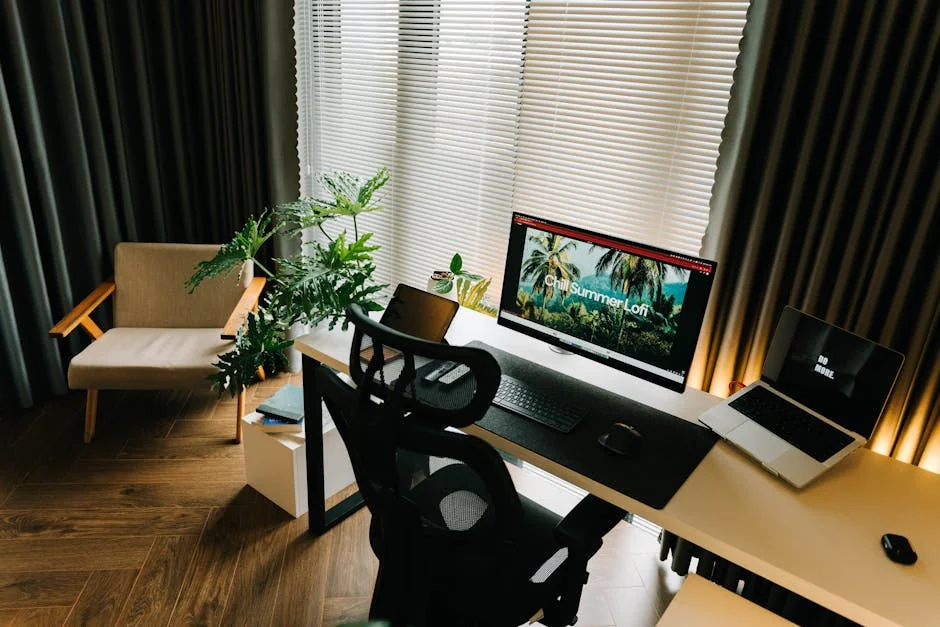
Finding the right chair can make a major difference in comfort, posture, and long-term spinal health. If you spend hours at a desk, choosing among the it is not just about luxury—it is about support, productivity, and prevention. A well-designed ergonomic chair helps reduce pressure on the lower back, encourages healthy sitting mechanics, and adapts to your body throughout the workday.
Table of Contents
- Why the top rated ergonomic office chairs for back pain matter
- Key features to look for in the top rated ergonomic office chairs for back pain
- Adjustable lumbar support
- Seat height and depth adjustment
- Recline and tilt mechanism
- Armrest adjustability
- Breathable material and cushioning
- Headrest and neck support
- Weight capacity and frame durability
- Best types and styles among the top rated ergonomic office chairs for back pain
- Mesh ergonomic chairs
- Cushioned executive ergonomic chairs
- High-performance task chairs
- Big and tall ergonomic chairs
- Kneeling and alternative posture chairs
- Home office versus corporate office models
- How to choose the top rated ergonomic office chairs for back pain for your needs
- Match the chair to your body dimensions
- Think about your specific pain pattern
- Consider your daily sitting time
- Set a realistic budget
- Check warranty and return policy
- Test workstation compatibility
- Read user feedback critically
- Setting up and using the top rated ergonomic office chairs for back pain correctly
- FAQ: top rated ergonomic office chairs for back pain
- What makes the top rated ergonomic office chairs for back pain different from regular office chairs?
- Are the top rated ergonomic office chairs for back pain worth the higher price?
- Can the top rated ergonomic office chairs for back pain completely eliminate back pain?
- How long should I sit in the top rated ergonomic office chairs for back pain before taking a break?
- Are mesh models or cushioned models better among the top rated ergonomic office chairs for back pain?
- Conclusion
In today’s market, many options claim to be ergonomic, but not all deliver meaningful relief. This guide breaks down what actually matters when comparing the this, including lumbar support, adjustability, materials, and overall value. Whether you work from home or in a corporate office, understanding these features will help you make a smarter investment in daily comfort and better back health.
Why the top rated ergonomic office chairs for back pain matter
Back pain is one of the most common complaints among office workers, remote professionals, gamers, and anyone who remains seated for long periods. Sitting itself is not automatically harmful, but poor sitting posture combined with inadequate chair support can place continuous strain on the spine, hips, shoulders, and neck. That is why so many people search for the these before upgrading their workspace.
A quality ergonomic chair is designed to support the body’s natural alignment. Unlike a basic task chair, an ergonomic model usually includes adjustable lumbar support, seat height control, armrest positioning, recline tension, and seat depth options. These features allow the chair to fit the user rather than forcing the user to adapt to a one-size-fits-all design.
The lower back, or lumbar spine, has a natural inward curve. When a chair fails to support that curve, the pelvis can tilt backward, leading to slouching. Over time, this posture may increase muscle fatigue and discomfort. The they aim to reduce this issue by maintaining more neutral spinal positioning and distributing body weight more evenly.
Another reason these chairs matter is circulation and movement. The best office chairs do not merely hold you in one static position. Instead, they encourage micro-movements, dynamic sitting, and healthy posture shifts during the day. Proper recline and responsive backrests can reduce pressure on spinal discs and help prevent stiffness after long meetings or concentrated work sessions.
There is also a productivity benefit. Employees and home-office users who are more comfortable tend to focus better, take fewer discomfort-related breaks, and finish work with less physical exhaustion. In this way, buying a better chair is not just about pain management. It can also improve efficiency, energy levels, and overall job satisfaction.
Finally, the right chair may save money over time. Cheap chairs often wear out quickly, flatten in the seat cushion, or lose structural support. Investing in a durable ergonomic model may reduce replacement costs and lower the risk of worsening chronic pain. For anyone serious about workstation health, the the concept are worth careful attention.
Key features to look for in the top rated ergonomic office chairs for back pain
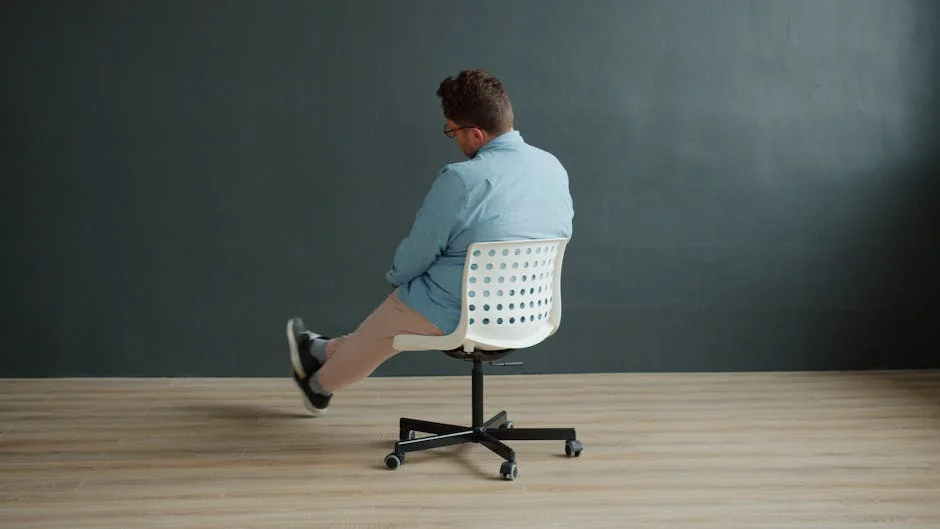
When comparing office chairs, it is easy to get distracted by sleek designs or marketing claims. However, real ergonomic performance comes down to a few essential features. Understanding these details will help you evaluate the the approach more effectively.
Adjustable lumbar support
Lumbar support is one of the most important features in any chair intended for back relief. Some chairs offer fixed support, while others allow you to raise, lower, increase, or decrease the firmness of the lumbar area. Adjustable lumbar support is generally better because every body is different. A support curve that fits one person perfectly may feel too high or too shallow for another.
Seat height and depth adjustment
Your feet should rest flat on the floor, with knees at about a 90-degree angle. Seat height adjustment makes this possible. Seat depth is equally important because the seat should support most of your thighs without pressing into the back of your knees. Many of the it include sliding seat pans for this reason.
Recline and tilt mechanism
A good ergonomic chair should allow you to recline slightly while keeping the spine supported. Recline helps reduce direct pressure on the lower back, especially during long hours of seated work. Look for chairs with synchronized tilt mechanisms, tension adjustment, and tilt lock positions. These features help you move naturally instead of staying rigid.
Armrest adjustability
Armrests are not just for comfort. Properly adjusted armrests reduce strain on the shoulders, upper back, and neck. Ideally, they should move up and down, forward and backward, and sometimes inward and outward. This flexibility supports typing posture and allows the user to sit close to the desk without awkward shoulder elevation.
Breathable material and cushioning
Mesh backs are popular because they improve airflow and can feel cooler during extended use. Cushioned seats may offer better pressure relief, depending on foam density and shape. The best choice depends on personal preference, climate, and how many hours you sit daily. The this often combine breathable backs with supportive seat padding for balanced comfort.
Headrest and neck support
A headrest is not always essential, but it can be helpful for users who recline often or experience upper spine and neck tension. An adjustable headrest can support the cervical spine during breaks and reduce muscle fatigue, especially in chairs built for long work sessions.
Weight capacity and frame durability
Not all chairs are built equally. Check the chair’s weight rating, frame materials, caster quality, and warranty. A durable build matters because structural weakness can affect both comfort and long-term value. Premium models often last much longer and maintain their ergonomic performance over time.
By focusing on these features instead of marketing language alone, you can narrow your choices and identify the these that truly fit your body and your workspace.
Best types and styles among the top rated ergonomic office chairs for back pain
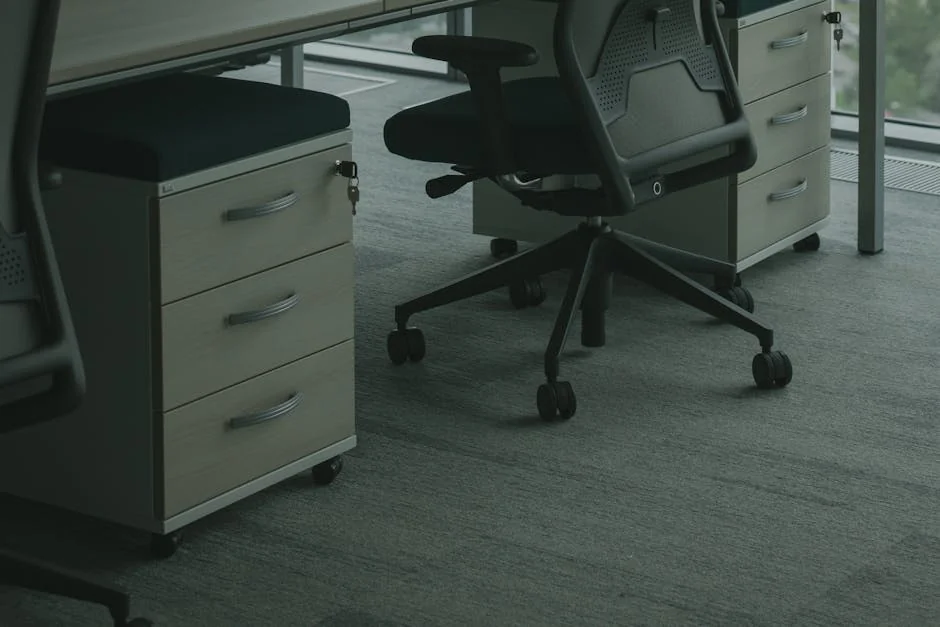
The office chair market includes several ergonomic categories, and each one suits different users. Rather than assuming one chair style works for everyone, it helps to understand how the most common designs compare. Many of the they fall into the following types.
Mesh ergonomic chairs
Mesh chairs are widely recommended because they provide breathability and contouring support. The backrest often flexes with your body while promoting airflow. These chairs are ideal for people who get warm easily or work in climates where leather and thick cushions feel uncomfortable. High-quality mesh chairs can offer excellent lumbar support, but lower-end versions may feel too firm or lose tension over time.
Cushioned executive ergonomic chairs
These chairs usually feature plush seats, padded armrests, and a more traditional office appearance. They can feel luxurious and supportive, especially for users who prefer a softer seat. However, the best cushioned executive chairs still need genuine ergonomic adjustability. Thick padding alone does not make a chair good for back pain.
High-performance task chairs
Task chairs are designed for active desk work and often include the most advanced ergonomic adjustments. They may not look as large or plush as executive chairs, but they are often among the the concept because they prioritize fit, movement, and support over appearance. These chairs are common in premium office environments and are especially good for people who sit for six to ten hours a day.
Big and tall ergonomic chairs
Users who need higher weight capacities or larger seat dimensions should consider big and tall models. These chairs are specifically designed with stronger frames, wider seats, and reinforced support systems. A chair that is too small can worsen pressure points and posture problems, so proper sizing is critical.
Kneeling and alternative posture chairs
Some people explore alternative seating options like kneeling chairs, saddle chairs, or sit-stand stools. While these can encourage movement and different postures, they are not always the best primary solution for chronic back pain. For most users, a fully adjustable ergonomic chair remains the safer and more versatile choice.
Home office versus corporate office models
Home office users may prioritize aesthetics, space-saving design, and affordability, while corporate buyers often focus on long-term durability and warranty protection. Fortunately, many modern chairs now blend both. If your setup is in a bedroom or living area, look for a chair that supports your back without visually overwhelming the room.
The right style depends on your body type, work habits, budget, and comfort preferences. That is why reviews and trial periods matter so much when shopping for the the approach.
How to choose the top rated ergonomic office chairs for back pain for your needs
Even the highest-reviewed chair may not be the best chair for you. Selection should be based on fit, work style, and physical needs. To choose wisely from the it, consider the following decision points.

Match the chair to your body dimensions
Start with your height, weight, leg length, and shoulder width. A chair should allow your feet to rest flat, your thighs to stay supported, and your back to contact the backrest naturally. If you are shorter, seat depth becomes especially important. If you are taller, backrest height and headrest placement may matter more.
Think about your specific pain pattern
Not all back pain is the same. Some people struggle mainly with lower back tension. Others experience upper back tightness, sciatic discomfort, or pain that worsens after prolonged upright sitting. If lumbar pain is your main issue, prioritize adjustable lumbar support. If your discomfort increases during static posture, focus on recline and movement-friendly mechanisms.
Consider your daily sitting time
Someone who sits for three hours a day may not need the same chair as someone working eight to ten hours. For extended use, build quality and pressure distribution become far more important. Premium ergonomic chairs may seem expensive at first, but they often perform better over long sessions and remain comfortable for years.
Set a realistic budget
Budget models can offer decent support, especially if they include basic adjustability. Mid-range chairs often provide a better balance of comfort and durability. High-end chairs usually justify their price through advanced ergonomics, stronger warranties, and superior materials. The this exist at multiple price points, so the best option is not always the most expensive one.
Check warranty and return policy
Since chair comfort is personal, a return window can be extremely valuable. A strong warranty also signals manufacturer confidence. Look for coverage on the frame, mechanisms, and upholstery. This is particularly important when buying online without trying the chair first.
Test workstation compatibility
Make sure the chair fits your desk height, keyboard position, and office space. Armrests that collide with the desk can create frustration. Likewise, a bulky chair may be impractical in a small home office. Measure carefully before purchasing.
Read user feedback critically
Reviews are helpful, but not all are equally useful. Focus on comments from users with similar height, weight, and work habits. Pay attention to long-term impressions rather than only first-day comfort. A chair that feels soft initially may become unsupportive after months of use.
When you combine body fit, pain pattern, work duration, and budget, you are far more likely to choose from the these with confidence and avoid buyer’s remorse.
Setting up and using the top rated ergonomic office chairs for back pain correctly
Buying a great chair is only half the solution. Even the they can underperform if they are adjusted incorrectly. Proper setup is essential for real ergonomic benefit.

Begin with seat height. Adjust the chair so your feet are flat on the floor and your knees are roughly level with or slightly below your hips. If your desk is too high and forces your chair upward, use a footrest to maintain proper lower-body support.
Next, adjust seat depth. Sit all the way back so your spine contacts the backrest. You should have a small gap—about two or three fingers—between the front edge of the seat and the back of your knees. This helps circulation and prevents unnecessary pressure.
Position the lumbar support so it matches the natural curve of your lower back. This is one of the most important steps. If the lumbar support sits too high or too low, it may feel uncomfortable and fail to provide effective relief.
Then set the armrests. They should lightly support your arms while allowing your shoulders to stay relaxed. If the armrests are too high, your shoulders may tense upward. If too low, you may lean or slump.
Use the recline function. Many people sit bolt upright all day, but slight recline can reduce spinal loading. Alternate between upright task posture and a more open reclined position throughout the day. Dynamic sitting is healthier than remaining frozen in one angle.
Your monitor, keyboard, and mouse setup also matter. The top of the monitor should generally be at or slightly below eye level, and the keyboard should allow elbows to rest near a 90-degree angle. If the workstation is poorly arranged, even excellent chairs cannot solve all posture problems.
It is also important to stand, stretch, and walk regularly. Ergonomic chairs support healthy sitting, but they do not eliminate the risks of uninterrupted sitting for many hours. Small movement breaks every 30 to 60 minutes can reduce stiffness and improve circulation.
Finally, give yourself an adjustment period. If you are moving from a very soft or poorly supportive chair, a properly ergonomic one may feel different at first. This does not necessarily mean it is wrong. Your body may simply be adapting to improved alignment. With correct setup, the the concept can become a key part of a healthier daily routine.
FAQ: top rated ergonomic office chairs for back pain
What makes the top rated ergonomic office chairs for back pain different from regular office chairs?
The main difference is adjustability and spinal support. Regular office chairs may offer basic height control, but the the approach usually include lumbar adjustment, seat depth changes, recline tension, better armrest positioning, and stronger support for long hours of sitting.

Are the top rated ergonomic office chairs for back pain worth the higher price?
In many cases, yes. The top rated ergonomic office chairs for back pain often use better materials, provide more precise customization, and last much longer than cheap chairs. For people who work seated every day, the long-term comfort and durability can justify the investment.
Can the top rated ergonomic office chairs for back pain completely eliminate back pain?
Not always. While the top rated ergonomic office chairs for back pain can significantly reduce discomfort and improve posture, back pain may also be influenced by activity level, desk setup, core strength, injuries, or medical conditions. A chair is helpful, but it is only one part of the solution.
How long should I sit in the top rated ergonomic office chairs for back pain before taking a break?
Even with the top rated ergonomic office chairs for back pain, it is best to stand or move every 30 to 60 minutes. Short breaks help maintain circulation, reduce muscle tension, and support better overall spinal health.
Are mesh models or cushioned models better among the top rated ergonomic office chairs for back pain?
It depends on personal preference and body needs. Some users prefer mesh for breathability and flexible support, while others like cushioned seats for pressure relief. Among the top rated ergonomic office chairs for back pain, both styles can work well if they include strong ergonomic adjustment features.
Conclusion
Choosing the right office chair can have a powerful impact on comfort, posture, and daily productivity. The top rated ergonomic office chairs for back pain stand out because they are built to support natural spinal alignment, encourage movement, and adapt to different body types and work routines. Instead of focusing only on appearance or price, it is smarter to evaluate lumbar support, seat depth, recline function, armrest flexibility, and overall durability.
The best chair for one person may not be the best for another, so body fit and work habits should guide your final decision. When properly adjusted and paired with a well-designed workstation, the top rated ergonomic office chairs for back pain can reduce strain, improve comfort during long hours, and support better long-term back health. Investing in the right chair is ultimately an investment in how you feel every single workday.