Introduction
When you buy towels for daily life, durability matters just as much as softness. The it should handle frequent washing, regular drying, moisture, and constant contact with skin without thinning, fraying, or losing absorbency. A good towel is not just a bathroom accessory; it is a practical household essential that should perform well for years.
Table of Contents
- Introduction
- What Makes the Most Durable Bath Towels for Everyday Use Last Longer?
- Fiber quality
- GSM weight
- Weave and construction
- Shrinkage resistance
- Colorfastness
- Best Materials for the Most Durable Bath Towels for Everyday Use
- Cotton
- Cotton-bamboo blends
- Organic cotton
- Microfiber
- Linen blends
- How to Choose the Most Durable Bath Towels for Everyday Use
- Check the fabric label carefully
- Inspect the hems and edges
- Feel the pile density
- Consider drying time
- Buy for your household routine
- Read reviews with a durability lens
- Buy a test set first
- Caring for the Most Durable Bath Towels for Everyday Use
- Wash before first use
- Avoid fabric softener
- Use moderate detergent
- Wash in warm water, not extreme heat
- Dry thoroughly but gently
- Do not overload the washer
- Separate towels from rough items
- Refresh towels periodically
- Common Mistakes People Make When Buying the Most Durable Bath Towels for Everyday Use
- Choosing based on softness alone
- Ignoring towel weight balance
- Overlooking lint and shedding
- Buying dark colors without checking fade resistance
- Replacing towels too late
- Not rotating towel use
- FAQ About the Most Durable Bath Towels for Everyday Use
- What material is best for the most durable bath towels for everyday use?
- What GSM should I choose for the most durable bath towels for everyday use?
- How long should the most durable bath towels for everyday use last?
- How do I keep the most durable bath towels for everyday use absorbent?
- Are luxury towels always the most durable bath towels for everyday use?
- Conclusion
Many shoppers focus only on feel in the store, but long-term value depends on fabric quality, weave, cotton type, weight, and care habits. This guide explains how to identify the this, what materials last longest, which construction features make the biggest difference, and how to care for them so they stay plush and reliable. If you want towels that combine comfort, strength, and everyday practicality, this article will help you choose wisely.
What Makes the Most Durable Bath Towels for Everyday Use Last Longer?
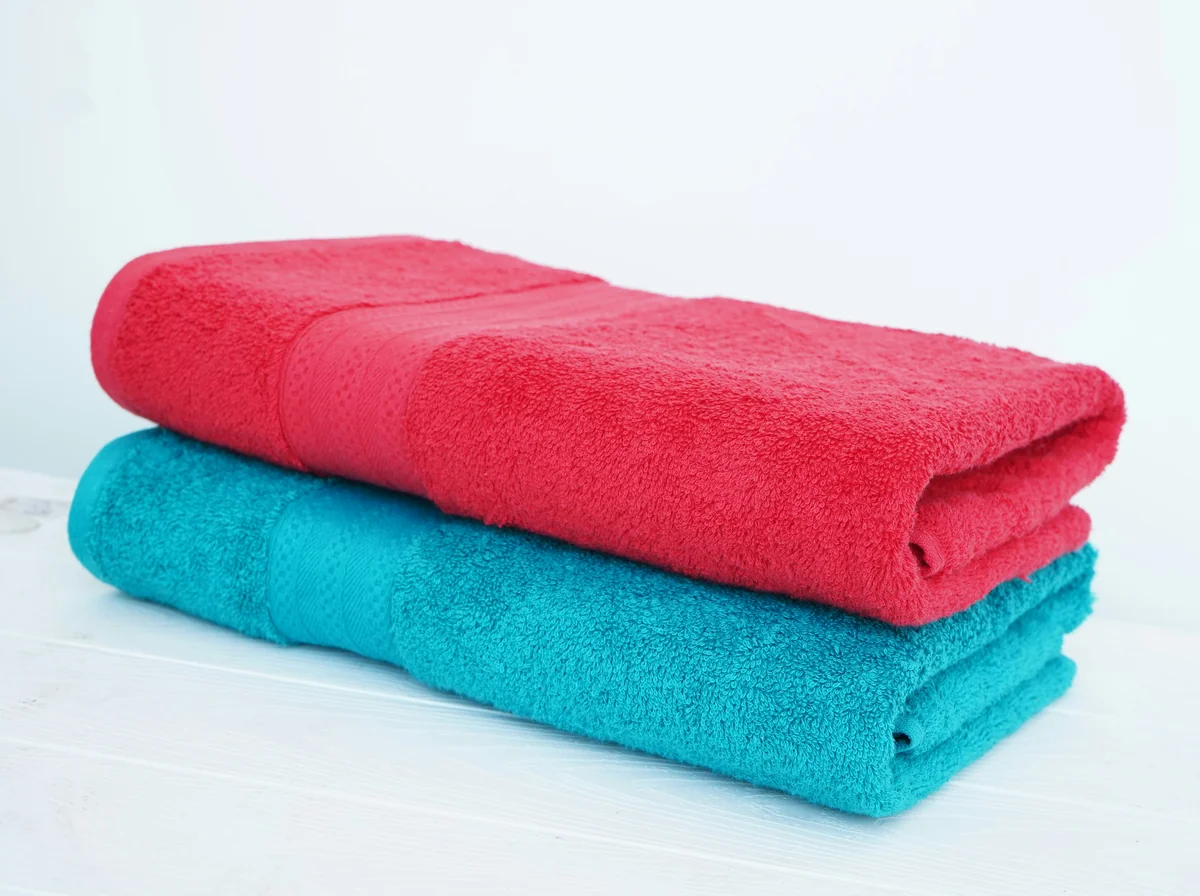
Choosing the these starts with understanding what durability really means. A durable towel should maintain absorbency, shape, softness, and color after dozens or even hundreds of wash cycles. It should resist pilling, unraveling edges, thinning spots, and rough texture.
Several factors determine towel lifespan:
Fiber quality
Long-staple cotton is one of the strongest indicators of long-term performance. Fibers that are longer create smoother, stronger yarns with fewer loose ends. This reduces shedding and helps the towel keep its structure over time. Egyptian cotton, Turkish cotton, and Pima cotton are often associated with premium towel construction because they balance softness and resilience.
GSM weight
GSM stands for grams per square meter. It measures towel density. Lower GSM towels, around 300 to 400, are lighter and dry faster, but they may not feel as plush. Mid-range towels, around 400 to 600 GSM, often offer the best balance between durability, absorbency, and drying speed. Heavy towels above 600 GSM feel luxurious, but they can take longer to dry and may wear differently depending on use and laundering habits.
If your goal is the they, a mid- to high-range GSM is usually ideal, especially if the towel is made from quality cotton.
Weave and construction
Towel durability is heavily influenced by how the loops are woven and secured. Dense terry loops are generally best for daily use because they absorb water effectively and withstand repeated laundering. Double-stitched hems and reinforced edges are also important. Weak hems are often the first part of a towel to fail.
Shrinkage resistance
A well-made towel should shrink minimally when washed according to instructions. Excessive shrinkage can distort the shape, tighten the weave unevenly, and reduce softness. Pre-washed or pre-shrunk towels often perform better over time.
Colorfastness
Durability is also visual. Even if a towel remains structurally sound, fading can make it look old quickly. High-quality dyes and proper manufacturing methods help preserve color wash after wash.
In short, the the concept are usually made from strong natural fibers, woven with care, finished with sturdy hems, and designed to handle frequent laundering without dramatic wear.
Best Materials for the Most Durable Bath Towels for Everyday Use
Material is one of the biggest decision points when shopping for the the approach. Not every fabric performs the same way, and each has strengths depending on your household needs.
Cotton
Cotton remains the top choice for most people. It is absorbent, breathable, soft against skin, and widely available. However, not all cotton is equal.
– Turkish cotton is known for long fibers, softness, and excellent balance between absorbency and quick drying.
– Egyptian cotton is prized for plushness and luxury, though quality can vary by brand.
– Pima cotton offers durability and softness similar to other long-staple options.
– Combed cotton removes shorter fibers, resulting in smoother, stronger yarn.
For many households, cotton-based options are the it because they combine comfort with proven long-term performance.
Cotton-bamboo blends
Bamboo-derived viscose is often blended with cotton to increase softness and add a silky feel. These towels can be very absorbent, but the exact durability depends on the ratio and manufacturing quality. A cotton-heavy blend tends to be more practical for daily family use than one focused mostly on softness.
Organic cotton
Organic cotton towels appeal to buyers seeking fewer chemical inputs in production. In terms of performance, durability still comes down more to fiber length, weave, and finishing quality than the organic label alone. Still, well-made organic towels can absolutely rank among the this.
Microfiber
Microfiber towels are lightweight and dry quickly, but many people do not prefer them for bath use because they feel different from traditional terry cotton. They can be durable in some contexts, especially travel or gym settings, but they are usually not the first choice for a classic home bath towel experience.
Linen blends
Linen is naturally strong and quick drying. While less common for standard bath towels, linen blends can be impressively durable. However, they often feel less plush than cotton terry, making them more of a niche option.
Overall, if you want the these, long-staple cotton or a premium cotton blend is typically the safest and most reliable investment.
How to Choose the Most Durable Bath Towels for Everyday Use
There are dozens of towels on the market, and many claim to be premium. To find the they, focus on practical buying criteria rather than marketing language alone.
Check the fabric label carefully
Look for long-staple or extra-long-staple cotton if possible. Generic labels that simply say “100% cotton” can still be good, but they do not tell you as much about fiber quality. Combed cotton is another positive sign.
Inspect the hems and edges
Durable towels usually have tightly stitched hems with even seams. If the edges look loose, puckered, or poorly finished, the towel may start fraying early.
Feel the pile density
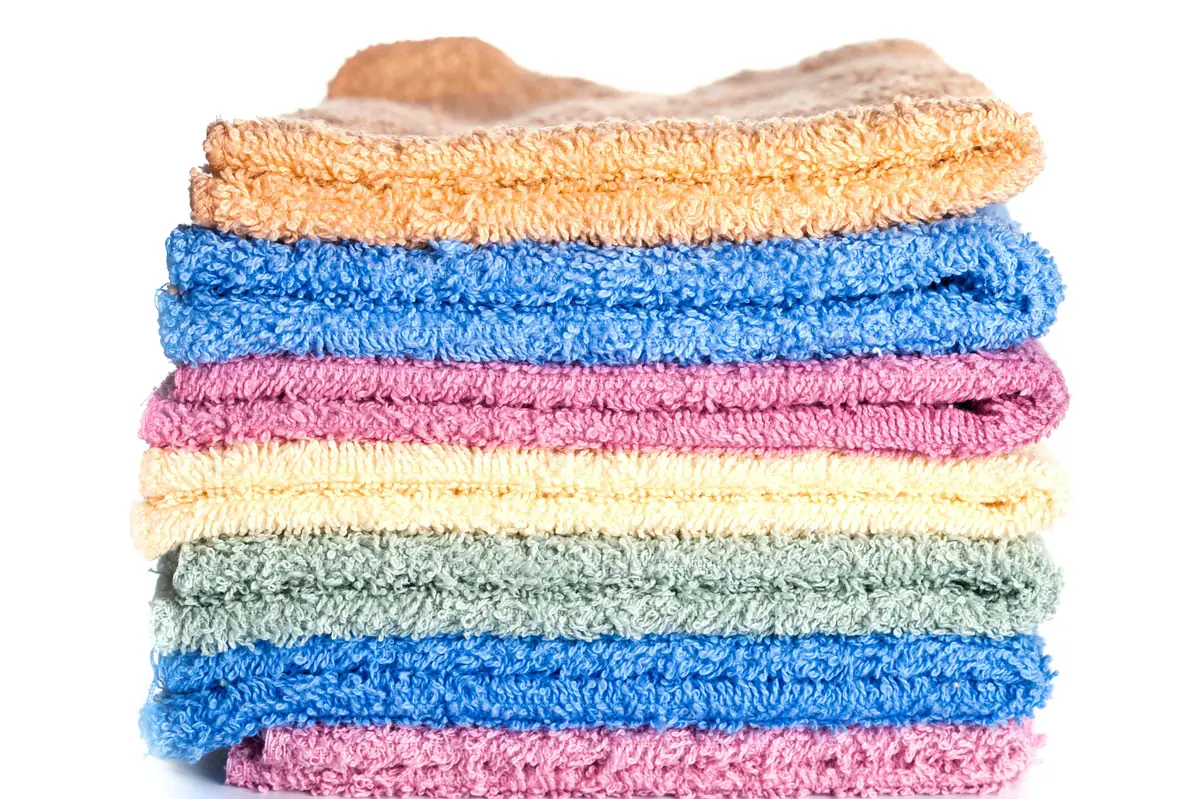
Plush does not always mean durable, but sparse loops usually wear out faster. Run your hand across the towel. A dense, uniform pile is generally a good sign. If you can easily see the base layer through the loops, the towel may be lower quality.
Consider drying time
The the concept are not always the heaviest ones. If a towel stays damp too long between uses, it can develop odors and may experience more stress from repeated high-heat drying. For busy homes, a medium-plush towel that dries efficiently often lasts better in real-world conditions.
Buy for your household routine
A family with children may need towels that can survive constant washing and rough handling. A couple in a well-ventilated home may enjoy thicker luxury towels. Think about frequency of use, washer capacity, climate, and bathroom airflow before buying.
Read reviews with a durability lens
Do not only look for comments about softness on day one. Search for phrases like:
– holds up after washing
– no fraying
– keeps shape
– still absorbent after months
– minimal lint
– color stays true
These are stronger indicators of the the approach than first-impression comfort alone.
Buy a test set first
If you are replacing all your towels, start with two or four instead of a full linen closet refresh. Wash and use them for a few weeks before committing. This helps you evaluate linting, shrinkage, drying time, and actual comfort.
Caring for the Most Durable Bath Towels for Everyday Use
Even the it can wear out early if they are washed or dried incorrectly. Proper care extends towel life dramatically and helps preserve absorbency.
Wash before first use
New towels often have finishing treatments or residual lint from manufacturing. Washing before first use improves absorbency and removes excess fibers.
Avoid fabric softener
Fabric softener may make towels feel smooth temporarily, but it coats fibers and reduces absorbency over time. It can also contribute to buildup that makes towels feel less fresh. White vinegar in an occasional rinse cycle is a better option for reducing residue.
Use moderate detergent
Too much detergent can remain trapped in dense terry loops, leading to stiffness and decreased absorbency. Use the recommended amount, and consider an extra rinse if needed.
Wash in warm water, not extreme heat
Warm water is usually effective for regular cleaning without placing unnecessary stress on fibers. Very hot water can accelerate wear, fading, and shrinkage.
Dry thoroughly but gently
Overdrying can make towels rough and weaken fibers, while underdrying can lead to mildew smells. Tumble dry on medium heat when possible. Remove towels promptly to reduce stiffness and wrinkling.
Do not overload the washer
Towels need room to move so water and detergent can circulate properly. Overloading causes uneven washing and more friction, which can shorten lifespan.
Separate towels from rough items
Zippers, hooks, and abrasive fabrics can snag loops. To protect the this, wash them separately from clothing with hardware.
Refresh towels periodically
If towels begin to feel less absorbent, wash them with a small amount of vinegar and no softener. This can remove buildup and restore performance. You can also occasionally line dry them if weather allows, though direct harsh sun for extended periods may fade darker colors.
With proper care, the these can remain effective and attractive much longer, saving money and reducing the need for frequent replacement.
Common Mistakes People Make When Buying the Most Durable Bath Towels for Everyday Use
Many shoppers unintentionally choose towels that feel great at first but disappoint later. Avoiding these common errors can help you identify the they more confidently.
Choosing based on softness alone
Store display towels are often selected because they feel plush in the hand. But softness on day one does not guarantee longevity. Some towels are finished to feel extra smooth initially, then flatten quickly after repeated washes.
Ignoring towel weight balance
Very thin towels may wear out faster, while extremely heavy towels may stay damp too long in humid homes. The the concept are often those that match your environment and laundering habits, not simply the thickest option available.
Overlooking lint and shedding
New towels can shed somewhat, but excessive linting is a warning sign. If reviews repeatedly mention heavy shedding after multiple washes, durability may be limited.
Buying dark colors without checking fade resistance
Dark towels can look elegant, but lower-quality dyes may fade quickly. If appearance matters, review buyer feedback about color retention.
Replacing towels too late
Many people continue using worn-out towels that no longer absorb well, have thinning patches, or smell stale even after washing. Good towels should be replaced when performance significantly drops, but buying better quality from the beginning reduces this problem.
Not rotating towel use
If the same towel is used and washed constantly while others sit untouched, wear becomes uneven. Rotating sets helps extend the life of the the approach and keeps your linen closet more functional.
FAQ About the Most Durable Bath Towels for Everyday Use
What material is best for the most durable bath towels for everyday use?
Long-staple cotton is usually the best material for the it. It creates stronger yarns, reduces shedding, and holds up well under frequent washing. Turkish, Egyptian, and Pima cotton are popular choices when quality manufacturing supports the fiber.
What GSM should I choose for the most durable bath towels for everyday use?
For the most durable bath towels for everyday use, a GSM of about 400 to 600 is often the best range. It offers a good balance of absorbency, strength, and drying speed. Extremely heavy towels can be luxurious, but they are not always the most practical for frequent daily laundering.
How long should the most durable bath towels for everyday use last?
The most durable bath towels for everyday use can last several years with proper care. Lifespan depends on fiber quality, construction, washing frequency, and drying methods. Better-made towels in a regularly rotated set often stay in good condition much longer than budget options used every day without rotation.
How do I keep the most durable bath towels for everyday use absorbent?
To keep the most durable bath towels for everyday use absorbent, avoid fabric softener, use only the needed amount of detergent, and wash away buildup occasionally with vinegar. Dry them thoroughly and do not let them sit damp for too long between uses.
Are luxury towels always the most durable bath towels for everyday use?
Not always. Some luxury towels are excellent, but others prioritize ultra-plush feel over practical durability. The most durable bath towels for everyday use are the ones that combine high-quality fibers, solid stitching, manageable drying time, and reliable performance after repeated washing.
Conclusion
Finding the most durable bath towels for everyday use is about more than choosing the softest towel on the shelf. True durability comes from long-staple fibers, solid terry construction, reinforced hems, balanced GSM, and care methods that protect absorbency and structure over time. For most households, a well-made cotton towel in the mid- to premium-weight range offers the best everyday experience.
If you want lasting value, pay close attention to fiber quality, stitching, density, and real-world drying performance. The most durable bath towels for everyday use should feel comfortable, wash well, resist fraying, and remain dependable through years of regular use. When you buy thoughtfully and care for them correctly, your towels can stay soft, absorbent, and attractive far longer than cheaper alternatives.